


Understanding the human gut microbiome: from composition to disease association
King Abdulaziz University, Faculty of Science, Department of Biological Sciences, Jeddah, Saudi Arabia
Article metrics
View details
Abstract
The human gut microbiota is critical for regulating host metabolism, immune responses, epithelial integrity, and systemic homeostasis, and disturbance has been linked to metabolic, inflammatory, and immune-mediated illnesses. Despite significant advances in microbiome research, the interpretation of gut microbiota-disease relationships is still limited by an overreliance on taxonomic profiling and observational study designs, which frequently overlook functional, strain-level, and mechanistic aspects of host-microbiota interactions. Growing research suggests that microbial functional capacity, metabolic activity, and ecological features such as resilience and functional redundancy are better markers of gut health than compositional measurements alone. Nonetheless, significant inter-individual variability, methodological heterogeneity, and dependence on fecal-based analysis continue to limit reproducibility and causal inference across studies. This review integrates current evidence on gut microbiota composition, functional features, and important influencing variables, while emphasizing mechanistic linkages between microbial dysbiosis and major human illnesses, filling significant conceptual gaps in modern microbiome research.
1 Introduction
The human gastrointestinal tract contains a dynamic complex of microorganisms known as the gut microbiota (). This ecosystem is made up of around one thousand microbial species, including bacteria, viruses, archaea, and unicellular eukaryotes, and is believed to include nearly one hundred trillion microbial cells, greatly outnumbering human cells and genes (; ). These microbes inhabit many body sites of the human body, but the gut is the most densely populated and metabolically active microbial location.
The gut microbiota is known as a “vital organ” because of its extensive bidirectional contact with other organs via neurological, endocrine, humoral, immunological, and metabolic pathways (). This microbial population is critical to maintaining host homeostasis by controlling important physiological activities including metabolism, immunological responses, epithelial barrier integrity, inflammation, and hematopoiesis (). In physiological terms, the gut microbiota supports human health by regulating nutrient metabolism and energy balance with bioactive metabolites like short-chain fatty acids, as well as shaping immune maturation and tolerance to maintain controlled inflammatory responses (; ; ). In parallel, the gut microbiota maintains intestinal epithelial integrity, regulates hematopoietic processes, and enables gut-organ communication, serving as an integrated regulator of host physiological homeostasis (; ). Such alterations, commonly described as gut dysbiosis, may include changes in microbial diversity, relative abundance, or metabolic activity, altering host-microbe homeostasis and contributing to disease pathogenesis (; ).
Host-microbe interactions are critical to both health maintenance and disease development. Diet, age, genetics, lifestyle, and environment all have an impact on the gut microbiota’s diversity and composition. Among these factors, diet plays a significant role in influencing microbial structure and function (). Beyond these extrinsic factors, the gut microbiota helps to maintain microbial homeostasis, which is described as a stable balance of bacteria in the human gastrointestinal tract. Although taxonomic composition varies over time and between individuals, functional redundancy allows the ecosystem to maintain general homeostasis (; ). In this context, the gut microbiome’s functional capacity reflects the collective metabolic and signaling potential encoded within the microbial community, which is more preserved across individuals than microbial species composition (; ).
A growing body of research has demonstrated that the gut microbiota has a substantial influence on immunological function, energy metabolism, and body weight, as well as being associated with obesity-related illnesses (). Beyond metabolic health, disruptions in gut microbial communities and their metabolic products have been linked to a wide range of systemic diseases, including non-alcoholic fatty liver disease (NAFLD), inflammatory bowel disease (IBD), hepatocellular carcinoma, cardiovascular disease (CVD), alcoholic liver disease (ALD), chronic kidney disease (CKD), and cirrhosis (; ; ; Zhou et al., 2021; ; ). For example, recent human cohort studies have identified disease-specific changes in gut microbial composition and functional pathways linked to metabolic diseases (Wu et al., 2020; ). Wu et al (Wu et al., 2020). found distinct gut microbiota signatures associated with impaired glucose metabolism among individuals with prediabetes and type 2 diabetes. In contrast, Aron-Wisnewsky et al (). found characteristic microbial and metabolic profiles associated with non-alcoholic fatty liver disease, implying a role for microbiota-derived metabolites in disease-associated metabolic disturbances.
Recent developments in gut microbiome research have been enabled by multi-omics techniques that combine metagenomics, metatranscriptomics, and metabolomics to define microbial activity beyond taxonomic composition. For example, Lloyd-Price et al (). used integrated multi-omics data to show disease-associated functional shifts in inflammatory bowel disease, revealing metabolic alterations not captured by taxonomic profiles alone. Similarly, Franzosa et al (). discovered that microbial metabolic pathways are more conserved between individuals than species composition, emphasizing the importance of functional ability in establishing gut microbiome homeostasis.
To address the long-standing difficulty of distinguishing between causality and correlation, causal inference and ecological modeling methodologies are increasingly being used in microbiome studies. Sanna et al (). used Mendelian randomization to establish causal relationships between gut microbial characteristics and metabolic parameters, indicating that microbiota-associated metabolites may directly contribute to disease risk. In parallel, ecological network analysis have indicated that disturbances in microbial interaction networks, rather than changes in individual microbial species, can destabilize gut ecosystems and induce dysbiosis, as reported by Coyte et al (). Therefore, this review aims to provide an extensive and integrated overview of the human gut microbiota, with an emphasis on its composition, functional aspects in health, and the important intrinsic and extrinsic factors influencing its structure across the lifespan. Furthermore, this review focuses on selected mechanistic pathways linking gut microbiota dysbiosis to major human diseases, highlighting host-microbiota interactions, microbial functional alterations, and emerging evidence that distinguishes correlation from causation. Given the breadth and complexity of microbiome research, particular emphasis is placed on certain mechanistic pathways supported by robust evidence from human studies and multi-omics approaches.
2 Research strategy
Relevant literature for this review was identified through searches of major scientific databases, including PubMed, Web of Science, and Google Scholar. Studies were selected based on their relevance to the topic, with particular emphasis on major human diseases and host–microbiota interactions. Priority was given to research providing mechanistic insights into microbiota-associated processes, especially those supported by human data and integrative multi-omics approaches. In addition, recent findings, well-established evidence, and consistency across independent studies were considered to strengthen the interpretation of functional and causal relationships within the gut microbiota. Due to the breadth, complexity, and rapid expansion of the microbiome field, this review adopts a narrative and integrative approach rather than a formal systematic methodology. Accordingly, this approach may not capture all relevant studies or emerging associations, and the selection process may be subject to inherent bias. Furthermore, variations in study design, population heterogeneity, and methodological differences across microbiome research may limit the comprehensiveness and generalizability of the conclusions presented.
3 Gut microbiota composition
Beyond classical taxonomic descriptions, the gut microbiota is increasingly considered a dynamic biological ecosystem rather than a static collection of microbial species (). Its composition is determined by niche-specific physicochemical circumstances, metabolic interdependence, and functional specialization among microorganisms. Recent multi-omics studies have shown that similar microbial taxonomic structures can be associated with significantly different metabolic activities, demonstrating that microbial functional capacity and metabolic potential are frequently more informative than taxonomic identity alone when defining gut microbiota composition ().
Strain-level heterogeneity is increasingly recognized as a significant determinant of gut microbiota composition and function (Zhao et al., 2019). Distinct strains of the same microbial species can have substantial differences in genomic content and metabolic capabilities, resulting in distinct impacts on host-microbe interactions and immune regulation. Advances in shotgun metagenomics and strain-resolved studies have shown that functional features, rather than taxonomic identification, better capture gut microbes’ ecological functions (). As a result, gut microbiota composition is increasingly determined by collective functional potential and metabolic outputs rather than the presence or absence of taxa. This strain-level functional diversity contributes to adaptability and resilience of the gut microbial ecosystem.
Furthermore, the composition of the gut microbiota varies significantly between individuals, even among healthy individuals. Large population-based investigations, such as those conducted by Falony et al (), have demonstrated that gut microbial community differs significantly across people due to host-related variables such as genetics, long-term nutrition, age, and environmental exposure. Furthermore, gut microbiota patterns are influenced by methodological determinants. For example, Sinha et al (), demonstrated that DNA extraction procedures and sequencing methodologies had a considerable impact on identified microbial composition and relative abundance estimations, emphasizing the need of interpreting compositional results within a technical context.
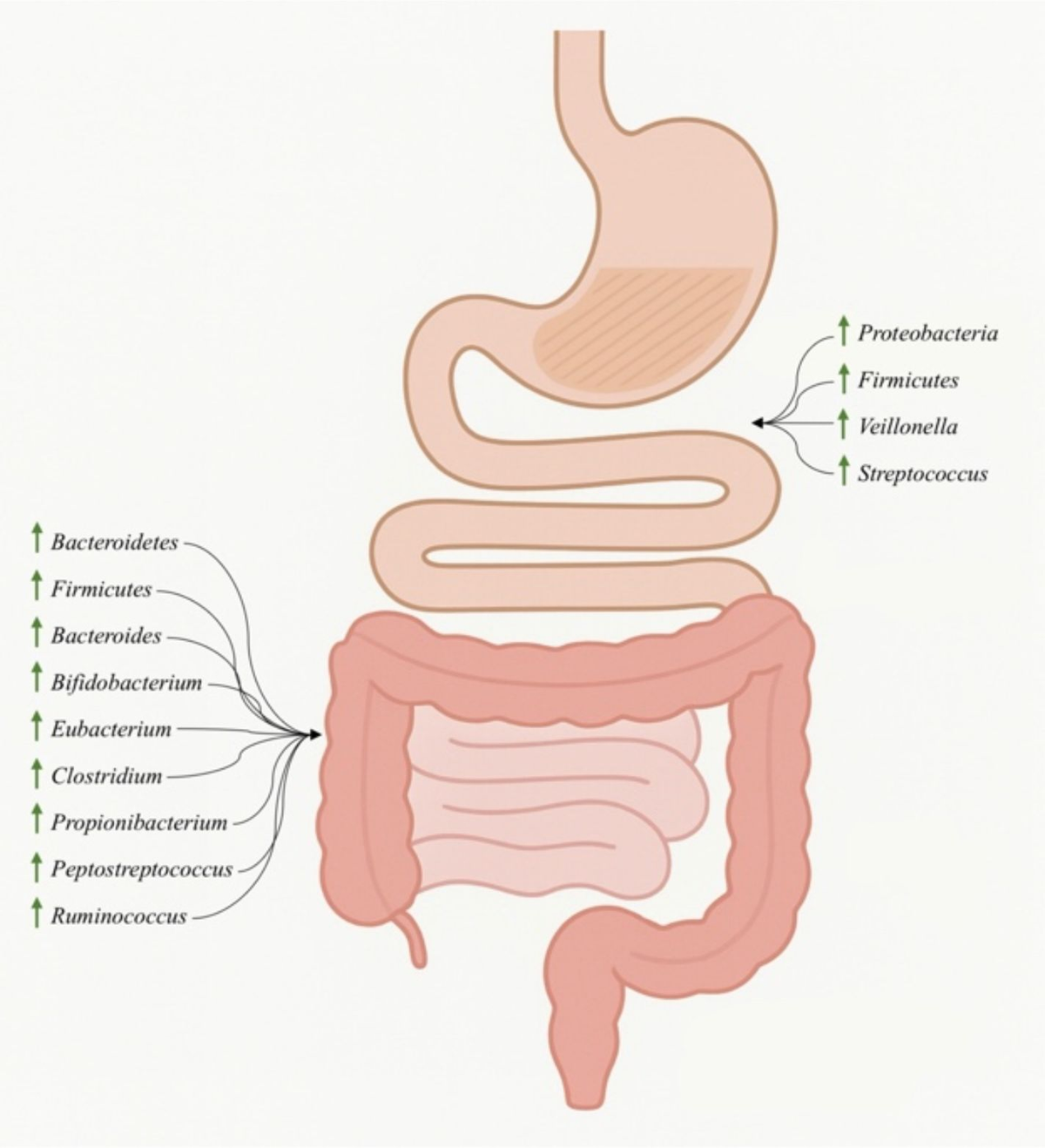
The composition of the gut microbiota changes significantly along the gastrointestinal system due to physiological variations such as pH, oxygen availability, substrate accessibility, transit duration, and host secretions (). These variables provide unique microenvironments that structure microbial density, diversity, and dominating taxa across various intestinal segments (). Figure 1 shows that microbial richness and diversity are low in the stomach and small intestine, where acidic conditions, bile exposure, and fast transit promote facultative anaerobes. In contrast, the colon is an anaerobic, nutrient-rich environment that supports dense and varied microbial communities dominated by obligate anaerobes (). Spatial and mucosa-related microbiome investigations reveal that gut microbial populations are not evenly dispersed over the gastrointestinal tract, but rather substantially affected by intestinal location, indicating persistent ecological niches linked with each gut region (Zmora et al., 2018).
The stomach and upper small intestine (duodenum, jejunum, and ileum) exhibit low microbial density (10³-107 cells/g tissue) due to extreme conditions such as low pH, bile salts, digestive enzymes, and short transit time. Nonetheless, Proteobacteria and Firmicutes are predominant in this region, with Veillonella and Streptococcus being prominent taxa (Figure 1) (; )
In contrast, the large intestine-including the cecum, colon (ascending, transverse, descending, and sigmoid), and rectum-provides an anaerobic environment in which obligate anaerobes can flourish (). Bacteroidetes and Firmicutes dominate the bacterial community, accounting for more than 90% (Figure 1) (). The number and ratio of these phyla vary by individual and are affected by age, nutrition, and health state. Bacteroides, Bifidobacterium, Eubacterium, Clostridium, Propionibacterium, Peptostreptococcus, and Ruminococcus are common genera in the colon, with densities reaching up to 109 cells/g of colonic tissue (Figure 1 ().
In addition to bacterial communities, the gut microbiota includes additional biologically active components that help to maintain ecosystem structure and functionality. The gut virome, which is composed of bacteriophages, regulates bacterial population dynamics and shapes microbial community composition through predation and horizontal gene transfer (). The gut mycobiome, although comprising a small proportion of total microbial biomass, has been demonstrated to have substantial immunomodulatory effects and impact host inflammatory responses (). Furthermore, gut-associated archaea, particularly methanogenic taxa like Methanobrevibacter species, play a role in hydrogen metabolism by utilizing bacterial fermentation byproducts, indirectly influencing fermentation efficiency and overall microbial metabolic activity ().
Although overt gastrointestinal pathogens account for less than 0.1% of the gut microbiota in healthy individuals, they remain clinically relevant. Primary pathogens, including Salmonella enterica, Vibrio cholerae, and Campylobacter jejuni are usually absent or in extremely low prevalence. Opportunistic pathogens, such as Escherichia coli and Bacteroides fragilis, can be found in healthy persons, accounting for ≥ 0.1% of the microbiota in a subset of individuals, depending on host and environmental conditions. While generally innocuous under normal conditions, these taxa can cause dysbiosis and gastrointestinal illness if their abundance increases or host immunity is impaired (). Overall, the spatial and compositional diversity of the gut microbiota demonstrates the ecological complexity and functional specialization of microbial niches along the gastrointestinal system.
4 Characteristics of a healthy gut microbiota
Defining a “healthy” gut microbiota remains a major challenge in microbiome research, as no single microbial taxonomic composition can be universally associated with health across individuals, largely due to pronounced inter-individual heterogeneity driven by host genetics, age, nutrition, lifestyle, and environmental variables (). Identifying the hallmarks of a healthy gut microbiota is crucial to comprehending its function in preserving host health and averting illness. Numerous ecological and biological traits rather than single compositional metrics, have been proposed as indicators of gut health.
In metabolic terms, the capacity of the gut microbiota to convert dietary substrates into bioactive compounds that promote host homeostasis is what defines a healthy gut microbiome. The gut microbiota influences intestinal function, immunological control, energy metabolism, and the biochemical profile of the diet through its metabolic activity (). Short-chain fatty acids, bile acids, branched-chain amino acids, trimethylamine N-oxide, and compounds derived from tryptophan are important metabolites generated by the microbiota that play a key role in mediating host–microbiota communication and regulating physiological processes (). Based on current evidence, Table 1 summarizes the most often reported features of a healthy gut microbiota, emphasizing biological indicators as well as their potential mechanistic implications.
| Characteristics | Definition/Significance | Mechanisms | References |
|---|---|---|---|
| Diversity | Higher microbial diversity is often associated with improved immunological regulation and resilience to disturbance. | Promotes colonization resistance and resilience through functional redundancy and niche competition. | (; ) |
| Composition | Focuses on specific taxa and their relative abundance, such as the Firmicutes/Bacteroidetes ratio and the presence of beneficial or pathogenic species, with implications for metabolic health, obesity, and inflammation. | Specific taxa influence host metabolism and immunity; an imbalance can result in inflammation or dysbiosis. | (; ; ; ; ; ) |
| Functionality | Refers to microorganisms’ functional capabilities, such as metabolite synthesis and enzymatic activity, irrespective of species diversity. | Shared metabolic pathways across species allow for stable gut function despite compositional changes. | (; ; ) |
| Metabolites | Short-chain fatty acids, bile acids, and tryptophan metabolites contribute to immune regulation, energy supply, and mucosal integrity. | SCFAs improve barrier function and immunological modulation, while tryptophan metabolites affect interleukin-22 and antioxidant responses. | (; ) |
| Strain specificity | Different strains of the same species may have opposite effects—some are probiotic, while others are harmful (e.g. E. coli). | Strain-specific gene expression influences inflammation (for example, PSA from Bacteroides fragilis activates Tregs). | (; ; ; ; ) |
| Gas production | Microbial byproducts such as methane and hydrogen sulfide production have been associated with intestinal motility and IBS subtypes. | Methane slows transit time (IBS-C), H2S increases permeability (IBS-D); reflects microbial fermentation balance. | (; ) |
| pH level | A colonic pH range of 5.5–7 is ideal for beneficial bacteria and digestive enzyme performance. | SCFA synthesis lowers pH, which inhibits pathogens while promoting acid-tolerant beneficial bacteria. | () |
| Inflammation markers | Low levels of fecal calprotectin and lactoferrin indicate low intestinal inflammation and good gut health. | Inflammatory markers indicate mucosal immune activity, which is commonly higher in dysbiosis-related illnesses. | () |
| Resilience | The microbiota’s ability to withstand or recover from perturbations such as antibiotics or diet changes. | Microbial functions are redundant, and adaptive gene expression restores microbial balance following interruption. | () |
Overview of biological markers and mechanistic pathways characterizing a healthy gut microbiota
*SCFA, Short chain fatty acid, PSA, Polysaccharide A, Tregs, Regulatory T cells, IBS, Irritable bowel syndrome, IBS-C, Irritable bowel syndrome with constipation, IBS-D, Irritable bowel syndrome with diarrhea
Although notable exceptions exist, higher microbial diversity is frequently associated with favorable health outcomes (; ). Certain compositional metrics, such as the Firmicutes/Bacteroidetes ratio, have been thoroughly examined; however, their interpretation as universal health markers remains contested, emphasizing the need for functional and context-dependent frameworks (; ). Functional characteristics, such as similar metabolic pathways despite compositional variances, highlight the need to determine functional redundancy (; ). Functional redundancy refers to the ability of phylogenetically distinct microbial taxa to perform overlapping biological functions, allowing core metabolic activities to be conserved despite significant inter-individual variation in gut microbiota composition (; ; ).
Beyond functional redundancy, a healthy gut microbiota is increasingly defined by coordinated immunological crosstalk between microbial communities and the host, as well as structured microbial metabolic networks that support cross-feeding and system-level stability (; ). These higher-order traits cannot be fully captured by taxonomic profiling and are best characterized utilizing integrative multi-omics techniques that relate microbial composition, functional activity, and host responses ().
Despite its widespread use, the Firmicutes/Bacteroidetes (F/B) ratio has limited reliability as a universal biomarker of gut health, owing to significant inter-individual variability and inconsistent associations across studies (; ; ). Although variations in this ratio have been seen in metabolic and gastrointestinal illnesses, its interpretation remains largely context dependent. Similarly, taxonomic categories like enterotypes can give helpful population-level insights but may oversimplify the gut microbiome’s dynamic and multifactorial character (; ; ; ). At the lower taxonomic levels, some genera, such as Bifidobacterium and Lactobacillus, are usually associated with beneficial activities; nevertheless, these effects are highly strain-specific and context-dependent and may exhibit neutral or even adverse effects (; Zheng et al., 2020; ). Collectively, these findings emphasize the limits of using compositional indicators alone to determine gut microbiota health ().
Beyond species-level classification, emerging evidence emphasizes the importance of strain-specific functional traits in defining a healthy gut microbiota. Strain-specific functions refer to functional changes across strains of the same microbial species caused by variations in gene content within the accessory genome, which are influenced by gene gain, loss, and horizontal transfer (). These genomic differences can have distinct metabolic, immunomodulatory, or pathogenic effects, making species identification insufficient for predicting host outcomes (). Consistent with this concept, recent clinical evidence highlights the health relevance of strain-level heterogeneity, as different probiotic strains have been demonstrated to significantly affect gut microbiome development and functional interactions with the host, even within the same species ().
Furthermore, metabolite profiling, notably the amounts of short-chain fatty acids and tryptophan-derived metabolites, provides valuable insight into microbial activity and host-microbiota interaction (). Additional parameters, such as luminal pH and microbial gas production, have attracted increasing attention, particularly in gastrointestinal disorders like irritable bowel syndrome (IBS), where methane and hydrogen sulfide levels have been linked to various clinical subtypes (). Finally, strain-specific effects and inflammatory markers such as fecal calprotectin highlight the importance of precision in microbial characterization and disease interpretation (; ).
When considered collectively, these characteristics provide a conceptual framework for understanding gut microbial health that extends beyond individual compositional metrics. Rather than defining health in terms of taxa or ratios, this integrated view focuses on functional capacity, metabolic outputs, and host-microbiota interactions, all which influence gut ecosystem stability. Such a framework highlights the value of integrative approaches for understanding the complex interplay between microbial composition, function, and host health.
5 Factors influencing the gut microbiota
There are numerous environmental, physiological, and social factors that affect the gut microbiota of humans. These factors begin to shape microbial colonization during early life and continue to exert effects throughout the lifespan. Understanding these determinants is essential for explaining inter-individual differences in microbiome composition across age groups. Mode of delivery, infant feeding practices, dietary patterns, age, exposure to antibiotic and other pharmaceutical, and lifestyle-related factors such as physical activity and psychological stress are well-recognized predictors of gut microbiota composition (). The gut microbiota is extremely sensitive to these factors, and its dynamic interactions with the host play crucial roles in immune regulation, metabolic function, and disease susceptibility. From an ecological perspective, the gut microbiota can be considered as a resilient ecosystem capable of maintaining essential functional outputs despite recurring internal and extrinsic disruptions, owing mostly to functional redundancy among microbial communities ().
These determinants are roughly divided as intrinsic (host genetics, age, and physiological condition) and extrinsic (diet, drugs, environmental exposures, and lifestyle) (Table 2). In addition to these factors, host genetic background, exposure to environmental pollutants, socioeconomic status, and circadian rhythm regulation have been identified as important modulators of gut microbiota composition due to effects on immune function, metabolic regulation, and microbial niche availability. Table 2 gives a complete summary of the primary factors impacting gut microbiota during life, summarizing the accompanying microbial alterations.
| Factor | Factor type | Age/Condition | Major effects on gut microbiota | References |
|---|---|---|---|---|
| Host genetics | Intrinsic | Adults | Host genetics associated with gut microbiota composition; higher similarity in monozygotic twins than dizygotic twins. Specific taxa (e.g., Christensenellaceae) showed significant heritability and were enriched in lean individuals | () |
| Vaginal delivery | Intrinsic | Newborns | ↑ Lactobacillus, Bacteroides, Prevotella – early colonization with maternal vaginal microbiota | (; ) |
| Cesarean delivery | Intrinsic | Newborns | ↑ Clostridium difficile and Staphylococcus; ↓ Bacteroides, Bifidobacteria – delayed colonization, exposure to skin/hospital microbiota | () |
| Aging | Intrinsic | Elderly | ↑ Proteobacteria; enrichment of Akkermansia in centenarians; ↓ Bifidobacteria, Bacteroides, SCFA producers; Firmicutes/Bacteroidetes ratio shifts with age | (; ; ; ; ) |
| Breastfeeding | Extrinsic | First months of life | ↑ Bifidobacterium, Lactobacillus; ↓ Proteobacteria – enhanced SCFA production and immune maturation | (; ) |
| Formula feeding | Extrinsic | First months of life | ↑ Proteobacteria, Clostridium spp. – lower microbial diversity | () |
| Weaning | Extrinsic | 9–36 months | ↑ Clostridium leptum, Eubacterium hallii, Roseburia, Firmicutes; ↓ Actinobacteria – transition to adult-like microbiota | (; ) |
| Diet | Extrinsic | All ages | • Plant-based/Mediterranean: ↑ Bacteroidetes, microbial diversity, and SCFA production, ↓ Proteobacteria• Western diet: ↑ Proteobacteria (inflammation-associated); ↓ diversity, SCFAs• Omnivorous diets: ↑ Ruminococcus spp. | (; ; ; ) |
| Antibiotics | Extrinsic | All ages | ↑ Enterococcus faecalis; increased risk of Clostridioides difficile infection; ↓ diversity; shifts in Firmicutes/Bacteroidetes ratio | (; ) |
| Other medications (e.g., PPIs, statins) | Extrinsic | Adults/Elderly | ↑ Actinomycetaceae and Staphylococcus; increased infection susceptibility; ↓ Bifidobacteriaceae, Ruminococcaceae, and Lachnospiraceae | (; ; ; Zhang et al., 2023) |
| Environmental pollutants (air pollution) | Extrinsic | Children | ↑ Rikenellaceae and Terrisporobacter; ↓ Fusicatenibacter during smog days in healthy children | (Zheng et al., 2020) |
| Socioeconomic status (SES) | Extrinsic | Adults | ↑ Prevotella copri, Catenibacterium; ↓ Dysosmobacter welbionis | () |
| Physical activity | Extrinsic | Active adults/Elderly | ↑ Akkermansia muciniphila, Actinobacteria, ↓ Cyanobacteria, Proteobacteria – improved gut barrier and metabolism | (; ; Zhu et al., 2020) |
| Stress & Smoking | Extrinsic | All ages | ↑ Escherichia coli, Pseudomonas, Prevotella – pro-inflammatory shifts; ↓ Lactobacilli | (; ) |
| Travel & night-shift work | Extrinsic | Adults/Travelers | Circadian rhythm disruption → long-term dysbiosis, ↓ microbial resilience | () |
Major factors influencing gut microbiota across the lifespan and their associated microbial changes
* ↑ and ↓ indicate the relative increases or decreases in the abundance of the indicated microbial taxa; PPIs, Proton Pump Inhibitors
It summarizes how the gut microbiota develops in a dynamic and responsive manner, influenced by both internal and external stimuli throughout life. Birth-related events, such as mode of delivery and early feeding practices, have a significant impact on early colonization, determining whether beneficial genera like Bifidobacterium and Lactobacillus predominate (; ), or whether opportunistic microorganisms like Clostridium difficile become established ().
Among the intrinsic factors of gut microbiota composition, host genetic background has emerged as a significant contributor to interindividual heterogeneity in microbial taxa. Large-scale twin studies provide significant evidence that genetic factors influence the gut microbiota, since monozygotic twins have more compositional similarity than dizygotic twins. Goodrich et al (). conducted a landmark study on fecal samples from a large twin cohort, demonstrating that microbial species exhibit heritable patterns regardless of common environmental exposure. These findings lend credence to the idea that host genetics selectively influences gut microbiota structure by varying the presence and relative abundance of specific microbial lineages, thereby contributing to the individuality and stability of the human gut ecosystem. In later stages of life, aging is associated with different changes in gut microbiota composition, such as decreasing microbial diversity and modifications in functional microbial profiles. In a large human cohort study, Wilmanski et al (). found that age-related alterations in the gut microbiome result in lower microbial resilience and altered metabolic capacity, even in otherwise healthy elderly people.
Diet remains one of the most important modulators of gut microbiota composition. Plant-based and Mediterranean diets (e.g., high intake of fruits, vegetables, wholes grains, legumes, olive oil, and nuts) have been linked to enhanced microbial diversity and short-chain fatty acid (SCFA) synthesis, which promote metabolic and immunological health (; ). By contrast, Western-style diets (e.g., high consumption of processed foods, refined sugars, saturated fats, and red/processed meats) have been related to reduced microbial diversity and enrichment of pro-inflammatory taxa ().
Furthermore, antibiotic use can drastically diminish microbial diversity while promoting the growth of pathogenic species like Enterococcus faecalis and Clostridium difficile, with long-term consequences (; ). For example, a population-level human metagenomic study demonstrated that antibiotic exposure was associated with a significant decrease in gut microbial diversity and persistent alterations in community composition across cohorts, supporting the long-term impact of antibiotic-associated dysbiosis (). Recovery may necessitate probiotic or nutritional interventions. Other drugs, such as proton pump inhibitors (PPIs), have also been linked to a deleterious influence on gut microbiota ().
In addition to antibiotics, other commonly administered medications have been proven to influence gut microbial composition. Metformin therapy causes considerable changes in gut microbial community structure and enriches beneficial taxa, implying a direct drug-microbiome interaction (). Likewise, antipsychotic drugs have been linked to significant changes in gut microbiota composition, including shifts in the relative abundance of major bacterial phyla (). In cancer therapy, immune checkpoint inhibitors interact with baseline gut microbiota composition, where distinct microbial signatures, such as enrichment of Alistipes and depletion of Bacilli and Lactobacillales, have been linked to improved responses to anti-PD-1/PD-L1 (Zhu et al., 2024). Collectively, these drug-induced changes represent ecological perturbations to the gut microbiota. Disruptions in microbial community structure can destabilize ecosystem interactions and influence recovery dynamics, which is consistent with ecological principles of microbiome stability and resilience ().
Environmental pollution has emerged as a significant extrinsic factor influencing gut microbiota composition in humans. Human observational studies show that exposure to air pollution can cause detectable changes in gut microbial populations, even in otherwise healthy individuals. In a panel investigation evaluating the impacts of smog exposure, Zheng et al (Zheng et al., 2020). found different microbiota alterations in healthy children during smog days compared to clean days, with a reduction in Fusicatenibacter and an increase in Rikenellaceae and Terrisporobacter. These data indicate that ambient air pollution is sufficient to disrupt gut microbial equilibrium, emphasizing environmental contaminants as independent modulators of gut microbiota composition.
In addition, socioeconomic status (SES) has emerged as a major extrinsic factor influencing gut microbiota composition. Lower socioeconomic status (SES) has been linked to altered microbial community structure, including altered β-diversity and differential abundance of specific taxa, such as increased Prevotella copri and Catenibacterium spp., alongside reduced Dysosmobacter welbionis (). This suggests that socioeconomic conditions may shape gut microbial ecology through diet quality, environmental exposures, and psychosocial stress.
Lifestyle factors, such as circadian rhythm modulation and physical exercise, have a significant impact on gut microbiota composition and function. Thaiss et al (). found that gut microbiota composition and function are impacted by host circadian biology, particularly feeding-fasting rhythms. Disruption of circadian alignment, such as genetic clock impairment or ambient jet lag, led in microbial rhythmicity loss and dysbiosis, which was connected to host metabolic dysfunction.
In a complementary manner, physical activity has also been shown to modulate gut microbiota composition. A human investigation on elite athletes found that exercise is associated with distinct gut microbiota compositions. In this study, O’Donovan et al (). classified athletes based on the dynamic and static components of their sports and found that athletes who participated in sports with a moderate dynamic component had higher relative abundances of Anaerostipes hadrus, Streptococcus suis, and Clostridium bolteae. Notably, the enrichment of the butyrate-producing bacterium A. hadrus indicates a possible link between moderate-intensity physical activity and favorable functional alterations in the gut microbiome, independent of dietary intake. These findings suggest that repeated lifestyle-related stimuli, such as circadian rhythm modulation and habitual physical activity, may influence not only gut microbiota composition but also the stability of functional interactions over time, which is consistent with ecological principles of microbiome stability and resilience ().
6 Gut microbiota in major human diseases
The human gut microbiota has emerged as a key regulator of host physiology, with effects reaching far beyond gastrointestinal homeostasis to metabolic, immunological, and neuroendocrine systems. Growing evidence from epidemiological research, experimental animal models, and multi-omics studies shows that disruptions in gut microbial composition and function, commonly referred to as dysbiosis, are intimately associated with the beginning and progression of a variety of chronic diseases (Figure 2). While early research focused primarily on disease-associated microbial signatures, more recent studies have begun to unravel causative processes by which the gut microbiota actively contributes to disease pathogenesis rather than just reflecting disease states. These pathways include microbiota-induced metabolic inflammation, host immune response modification, epithelial barrier disruption, and altered microbe-derived metabolite signaling along the gut-organ axis. Consequently, the gut microbiota is now recognized as both an indicator of disease risk and a modifiable therapeutic target, with growing implications for precision medicine and microbiome-based therapies.
6.1 Gut microbiome dysbiosis as a causal factor in human disease
Although several studies have found links between altered gut microbial patterns and a variety of human diseases, determining causality remains a major difficulty in microbiome research (). Most human studies are observational and cross-sectional, making it difficult to tell whether microbial dysbiosis is a cause or a result of illness progression. Inter-individual variability, as well as confounding factors including diet, medication usage, and environmental exposures, make it difficult to identify a common “healthy” microbiome makeup (). consequently, disease-associated microbial profiles should be evaluated with caution when determining mechanistic roles in pathogenesis.
To address these constraints, experimental models and longitudinal techniques have proved useful in determining causal links between the gut microbiota alterations and human disease (). Evidence from antibiotic-induced microbiota perturbation and fecal microbiota transplantation all show that disease-associated microbial communities can transmit pathological traits to healthy hosts (). In humans, controlled fecal microbiota transplantation trials have shown that changing gut microbial composition can influence host metabolic phenotypes, supporting the microbiota’s causal role in metabolic dysregulation (). Importantly, contemporary models emphasize that dysbiosis extends beyond taxonomic compositional shifts and instead reflects functional disruption, characterized by altered metabolic capacity, reduced ecological resilience, and impaired host–microbiota homeostasis (). Collectively, these findings support the concept of gut dysbiosis as an active driver of disease processes rather than merely a passive biomarker, providing a mechanistic rationale for microbiome-targeted therapeutic strategies ().
6.2 Microbiota-driven metabolic inflammation and cardiometabolic diseases
Cardiometabolic illnesses, such as obesity, type 2 diabetes, and cardiovascular disease, are increasingly recognized as chronic inflammatory disorders caused by intricate interactions between host metabolism, immune responses, and environmental variables. Human observational and clinical studies show that the gut microbiota influences disease development and progression by modulating energy harvest, lipid metabolism, inflammatory signaling, and intestinal barrier integrity (; ).
The trimethylamine N-oxide (TMAO) pathway is a well-established link between gut microbiota and cardiovascular disease in humans. Dietary nutrients containing choline, phosphatidylcholine, and L-carnitine are degraded by gut microorganisms into trimethylamine (TMA), which is then converted to TMAO in the liver, a process that has been consistently reported in human studies. In large prospective cohorts, elevated circulating TMAO levels have been independently associated with an increased risk of cardiovascular and thrombotic risks, including myocardial infarction and stroke, even after adjustment for established risk factors (). Physiologically relevant concentrations of TMAO directly increase human platelet responsiveness through increased intracellular calcium signaling, providing functional human support for a microbiota–thrombosis axis, according to mechanistic evidence from ex vivo functional studies (Zhu et al., 2016).
Beyond trimethylamine N-oxide (TMAO), a growing body of evidence highlights the critical role of diverse microbiota-derived metabolites in the development of metabolic dysfunction-associated steatotic liver disease (MASLD). Gut dysbiosis contributes to disease progression by disrupting intestinal barrier integrity, facilitating the translocation of microbial products such as lipopolysaccharide (LPS) to enter the portal circulation and activate TLR4-mediated inflammatory signaling pathways (). This mechanism increases hepatic inflammation, insulin resistance, and lipid accumulation, accelerating the progression from steatosis to steatohepatitis and fibrosis. In parallel, microbial metabolites such as short-chain fatty acids, bile acid derivatives, ethanol, and phenylacetate modulate host metabolic and immunological pathways, affecting hepatic lipid metabolism and inflammatory responses (). Collectively, these methods highlight the critical role of the gut-liver axis and microbiota-derived metabolites in MASLD development.
Microbiota-host interactions also involve enteroendocrine regulation and innate immune activation, in addition to metabolite-driven and endotoxin-mediated pathways. The gut microbiota modulates L-cell activity and glucagon-like peptide-1 (GLP-1) secretion, thereby influencing insulin secretion and metabolic homeostasis (). In parallel, microbiota-derived signals lead to epigenetic remodeling in immune and metabolic cells, perpetuating inflammatory dysregulation (). Activation of the NLRP3 inflammasome in response to metabolic stress, leading to IL-1β-mediated inflammation and insulin resistance (; ). These interrelated processes underscore the importance of microbiota-driven endocrine-immune crosstalk in the development and progression of cardiometabolic disorders.
In addition to metabolite-driven pathways, persistent low-grade systemic inflammation in humans and compromised intestinal barrier function have been strongly linked to gut microbiota-associated metabolic inflammation. Increased translocation of microbial components, especially lipopolysaccharide (LPS), into the systemic circulation is linked to dysbiosis-related changes in gut permeability. This phenomenon is correlated with insulin resistance, adipose tissue inflammation, and disturbed glucose homeostasis in people with type 2 diabetes and obesity (). Recent human studies indicate that sustained exposure to LPS increases metabolic inflammation by activating innate immune signaling pathways, which accelerates the progression of cardiometabolic illness (). Furthermore, decreased levels of bacteria that produce short-chain fatty acids have been linked to altered metabolic signaling and compromised immune regulation, which increases vulnerability to cardiometabolic illnesses ().
6.3 Microbiota–immune interactions in immune-mediated diseases
The gut microbiota has a substantial impact on systemic immune responses, influencing a wide range of human diseases, including allergic, inflammation and autoimmune disorders, as well as cancer. Commensal microorganisms interact with the host immune system to control antigen presentation, T-cell activation, and inflammatory signaling pathways, all of which influence immunological surveillance and tolerance (; ). Through these processes, the gut microbiota helps to establish immunological tone, thereby modulating susceptibility to disease progression and chronic immune activation (Zitvogel et al., 2018).
At the molecular level, gut microbiota interacts with the host immune system through pattern recognition receptors (PRRs), which recognize microbe-associated molecular patterns (MAMPs). This recognition initiates downstream signaling cascades that regulate innate and adaptive immune responses (). These interactions are essential for maintaining immunological homeostasis by promoting regulatory pathways and avoid excessive inflammation. Microbiota-derived signals contribute to the differentiation of regulatory T cells (Tregs), which are essential for immune tolerance. Furthermore, gut microbiota supports the intestinal epithelial barrier by modulating tight junction proteins and limiting microbial translocation, which reduces systemic inflammatory responses ().
Emerging evidence indicate that microbiota-immune interactions go beyond classical inflammatory and autoimmune disorders to other systemic axes. Gut dysbiosis has been associated with dermatological disorders including psoriasis and atopic dermatitis through immune crosstalk, altered short-chain fatty acid production, and increased pro-inflammatory responses (). Similarly, rheumatological diseases have been associated with gut microbiota alterations through mechanisms involving chronic immune activation, increased intestinal permeability, and disruption of Th17/Treg balance, all of which may amplify systemic inflammation (; ). Furthermore, the gut-placenta axis has emerged as a relevant pathway, since maternal gut microbiota and its metabolites appear to influence placental homeostasis, morphogenesis, and fetal development (). Together, these findings highlight the broader systemic relevance of microbiota-driven immune modulation across multiple physiological interfaces.
Asthma and other respiratory illnesses have been linked to microbiome disruptions, particularly during infections like bronchitis and pneumonia caused by Chlamydophila pneumoniae (). These interactions are assumed to be mediated by immunologically related pathways along the gut-lung axis, with microbiota-derived signals influencing systemic immune modulation and pulmonary inflammatory responses (). Early exposure to beneficial microbial communities has been shown to enhance immune maturation and protect against allergic reactions by reducing excessive allergy-prone inflammatory responses and promoting immune tolerance during early life (). Similarly, gastrointestinal illnesses caused by bacteria like Campylobacter, Salmonella, Escherichia coli, and Shigella can cause dysbiosis by inducing intestinal inflammation, disrupting epithelial barrier integrity, and displacing resident commensal microbial communities, collectively altering microbial balance ().
Studies on immune checkpoint inhibitor (ICI) treatment in cancer patients have shown strong human evidence for microbiota-immune interactions. Gopalakrishnan et al (). found a substantial difference in baseline gut microbiota composition between responders and non-responders in melanoma patients treated with anti-PD-1 drugs. Responders exhibited improved antigen presentation and intratumoral CD8– T-cell infiltration. Similar relationships have been seen across different cancer types, with gut microbiome patterns correlating with treatment success and systemic immune activation (). Importantly, interventional clinical studies have shown that fecal microbiota transplantation (FMT) from immunotherapy responders into patients with refractory melanoma restored responsiveness to anti-PD-1 therapy, which was accompanied by immune reprogramming within the tumor microenvironment (; ).
Beyond cancer, microbiota-immune interactions have been linked to the development of autoimmune and inflammatory illnesses in humans. Dysbiosis has been associated with reduced immunological tolerance and higher inflammatory responses, potentially driven by altered microbial-immune communication and greater exposure to microbial antigens (; ). Furthermore, clinical and immunological data in human populations have led to the hypothesis that molecular mimicry between microbial components and host antigens contributes to autoreactive immune responses in autoimmune disorders (). Collectively, these findings highlight the gut microbiota as a critical regulator of immunological homeostasis, with microbial dysregulation linked to both cancer immunity and autoimmune disease development.
6.4 Neuroimmune and neuroendocrine pathways of the gut–brain axis
The gut-brain axis is a bidirectional communication network that connects the gastrointestinal tract to the central nervous system via integrated neuronal, immunological, and endocrine pathways. In humans, emerging data suggests that gut microbiota composition and function impact brain physiology and behavior via influencing immunological signaling, neuroendocrine responses, and microbial metabolite synthesis. Dysbiosis has been linked to altered gut-brain communication, which contributes to neuroinflammation, stress dysregulation, and mood disorders, emphasizing the gut microbiota as a critical regulator of brain-body balance (; ).
Neuroimmune pathways are a significant mechanism underlying microbiota-brain interactions in humans. Human observational and clinical investigations have shown that variations in gut microbiota composition are linked to changes in immunological and metabolic signals that influence brain function and behavior. Large human cohort studies have found links between specific gut microbial profiles, circulating inflammatory and neuroactive metabolites, mood and cognition outcomes, indicating that neuroimmune pathways play a role in gut-brain communication (). These findings suggest that immune-mediated signaling, rather than direct microbial translocation, is critical for delivering gut-derived signals to the brain.
In parallel, neuroendocrine pathways play an important role in gut-brain transmission, notably via modulating stress-related hormonal responses. Human clinical research has revealed that changes in gut microbiota composition are related with variations in brain activity and stress processing, emphasizing the link between gut microbiota and neuroendocrine control. Modifying gut microbial communities through dietary or probiotic interventions, for example, has been shown to alter neural activity in brain regions involved in emotion and sensory processing in healthy individuals, indicating microbiota-dependent regulation of neuroendocrine and neural pathways (). Neuroimmune and neuroendocrine systems work together to offer complementary pathways for gut-brain communication, strengthening the gut microbiota’s function in regulating neurophysiological and psychological balance.
6.5 Therapeutic implications of gut microbiota modulation
Understanding host–microbiota interactions provide a mechanistic foundation for the development of specific microbiota-based therapies. Understanding how specific microbial taxa and microbiota-derived metabolites interact with host metabolic, immune, and epithelial pathways enables a shift from empirical interventions and toward mechanism-driven therapeutic strategies aimed at restoring functional host-microbiota homeostasis rather than broadly altering microbial composition (; ).
Dietary interventions are the most well-established and evidence-based technique for modifying the gut microbiota in humans. Controlled human studies show that consuming a variety of plant-based fibers on a regular basis enhances microbial diversity, promotes short-chain fatty acid production, and improves metabolic and inflammatory biomarker levels. Wastyk et al (). demonstrated in a randomized dietary intervention trial that a high-fiber diet in healthy adults resulted in measurable changes in gut microbial composition as well as reduced inflammatory markers, indicating a causal link between diet-induced microbial changes and host immune regulation. These findings indicate that nutritional modification of the gut microbiota can have clinically significant impacts on host physiology in humans.
However, emerging evidence suggests that responses to microbiota-targeted dietary treatments are highly individualized. Large-scale human cohort studies have shown that inter-individual diversity in baseline gut microbiota composition has a significant influence on metabolic and glycemic responses to equal food exposures. In a landmark prospective investigation, Zeevi et al (Zeevi et al., 2015). found that tailored dietary predictions including individual microbiome traits predicted postprandial glycemic responses more accurately than generalized dietary recommendations. More recently, population-level investigations have demonstrated that cardiometabolic responses to nutritional interventions vary significantly between individuals due to microbiota-dependent functional variations (). Collectively, these findings underscore the limitations of universal dietary guidelines and the importance of microbiota-informed customized nutrition approaches.
Aside from dietary methods, direct microbiota-based therapies offer the most compelling clinical evidence for therapeutic regulation of the gut microbiota in humans. Fecal microbiota transplantation (FMT) has repeatedly shown great clinical efficacy in people with recurrent Clostridium difficile infection, which is predominantly caused by antibiotic-induced dysbiosis. A systematic review and meta-analysis of human clinical studies found that clinical cure rates ranged from roughly 84% after single FMT to 91% after repeat FMT at week 8, supporting microbial restoration as a successful therapeutic method in this setting (). However, outside this specific indication, human studies exploring microbiota-based interventions have shown more heterogeneous outcomes, underscoring the need for careful patient selection and individualized therapeutic design.
7 Future perspectives
Future advances in gut microbiota–targeted therapeutics are expected to prioritize precision and function-based interventions rather than broad microbial manipulation. Integrating multi-omics techniques with host-specific parameters such as genetics, immunological condition, and baseline microbiota composition may allow for more personalized strategies to restore functional host-microbiota homeostasis while conserving microbial resilience. Such an approach is essential to minimize unintended ecological perturbations within the gut ecosystem.
Future research should focus on addressing key unresolved questions, such as determining causality through well-designed longitudinal and interventional human studies, identifying functionally relevant microbial metabolites, and developing robust host-microbiota biomarkers with clinical predictive value. Furthermore, integrating strain-level resolution, spatial microbiome profiling, and standardized multi-omics pipelines will be critical for improving reproducibility and transforming microbiome research into reliable clinical tools for disease risk stratification and therapeutic monitoring.
As microbiota-based therapeutics advance, ethical and safety considerations become increasingly important. Therapeutic alteration of the gut microbiota may pose risks such as long-term ecosystem instability, unintentional dysbiosis, pathogen overgrowth, horizontal gene transfer of antimicrobial resistance genes, and unanticipated immunological or metabolic responses. These concerns highlight the importance of comprehensive safety evaluation, standardized intervention methods, long-term follow-up, and clear informed consent, especially when dealing with vulnerable groups.
8 Conclusion
The gut microbiota is increasingly recognized as a dynamic and functionally integrated ecosystem that contributes substantially to host metabolism, immune regulation, epithelial integrity, and overall physiological homeostasis. Growing evidence indicates that gut microbiota-host interactions are influenced not only by microbial composition, but also by strain-specific diversity, functional capacity, metabolic activity, and ecological stability. This shift from simply taxonomic descriptions to functional and mechanistic frameworks has significantly improved our understanding of how microbial dysbiosis contributes to disease susceptibility and development across a wide variety of diseases.
Recent findings show that functional traits and metabolic pathways are frequently more preserved across people than microbial taxa, emphasizing the relevance of ecological concepts like functional redundancy and resilience in maintaining gut microbiota stability. As a result, interpretations based purely on compositional indicators or specific microbial markers are widely seen as insufficient to explain complex host-microbiota interactions or characterize gut health in a physiologically relevant way. Despite these conceptual and methodological advances, current gut microbiota research is limited by the prevalence of observational study designs, significant inter-individual variability influenced by host and environmental factors, methodological inconsistencies across analytical pipelines, and an overreliance on fecal taxonomic profiling, which does not fully reflect strain-level, functional, and spatial microbial dynamics within the gastrointestinal tract. Bridging these mechanistic insights with clinical application will be essential for advancing microbiome-informed diagnostics, improving disease risk stratification, and enabling personalized microbiota-based therapeutic strategies in future clinical practice.
Statements
Funding
The author(s) declared that financial support was not received for this work and/or its publication
Conflict of interest
The author(s) declared that this work was conducted in the absence of any commercial or financial relationships that could be construed as a potential conflict of interest
Generative AI statement
The author(s) declared that generative AI was not used in the creation of this manuscript
Any alternative text (alt text) provided alongside figures in this article has been generated by Frontiers with the support of artificial intelligence and reasonable efforts have been made to ensure accuracy, including review by the authors wherever possible. If you identify any issues, please contact us
Publisher’s note
All claims expressed in this article are solely those of the authors and do not necessarily represent those of their affiliated organizations, or those of the publisher, the editors and the reviewers. Any product that may be evaluated in this article, or claim that may be made by its manufacturer, is not guaranteed or endorsed by the publisher
References
AfzaalM.SaeedF.ShahY. A.HussainM.RabailR.SocolC. T.et al. (2022).
Human gut microbiota in health and disease: Unveiling the relationship. Front. Microbiol.13. doi: 10.3389/fmicb.2022.999001. PMID:2
AgusA.ClémentK.SokolH. (2021).
Gut microbiota-derived metabolites as central regulators in metabolic disorders. Gut.70, 1174–1182. doi: 10.1136/gutjnl-2020-323071. PMID:3
AhlawatS.AshaN.SharmaK. K. (2021).
Gut–organ axis: a microbial outreach and networking. Lett. Appl. Microbiol.72, 636–668. doi: 10.1111/lam.13333. PMID:4
AidyS. E.van den BogertB.KleerebezemM. (2015).
The small intestine microbiota, nutritional modulation and relevance for health. Curr. Opin. Biotechnol.32, 14–20. doi: 10.1016/J.COPBIO.2014.09.005. PMID:5
AkramN.FaisalZ.IrfanR.ShahY. A.BatoolS. A.ZahidT.et al. (2024).
Exploring the serotonin-probiotics-gut health axis: a review of current evidence and potential mechanisms. Food Sci. Nutr.12, 694–706. doi: 10.1002/fsn3.3826. PMID:6
AlaliM. A.ShoriA. B. (2025).
Recent advances in the modulatory effects of kefir on the gut microbiota. Explor. Foods Foodomics.3, 1010107. doi: 10.37349/eff.2025.1010107. PMID:7
Aron-WisnewskyJ.VigliottiC.WitjesJ.LeP.HolleboomA. G.VerheijJ.et al. (2020).
Gut microbiota and human NAFLD: disentangling microbial signatures from metabolic disorders. Nat. Rev. Gastroenterol. Hepatol.17, 279–297. doi: 10.1038/s41575-020-0269-9. PMID:8
ArumugamM.RaesJ.PelletierE.PaslierD. L.YamadaT.MendeD. R.et al. (2011).
Enterotypes of the human gut microbiome. Nature.473, 174–180. doi: 10.1038/NATURE09944. PMID:9
AsnicarF.ManghiP.FackelmannG.BaldanziG.BakkerE.RicciL.et al. (2025).
Gut micro-organisms associated with health, nutrition and dietary interventions. Nat.650, 1–9. doi: 10.1038/s41586-025-09854-7. PMID:10
BahrS. M.TylerB. C.WooldridgeN.ButcherB. D.BurnsT. L.TeeschL. M.et al. (2015).
Use of the second-generation antipsychotic, risperidone, and secondary weight gain are associated with an altered gut microbiota in children. Transl. Psychiatry5, e652. doi: 10.1038/tp.2015.135. PMID:11
BaruchE. N.YoungsterI.Ben-BetzalelG.OrtenbergR.LahatA.KatzL.et al. (2021).
Fecal microbiota transplant promotes response in immunotherapy-refractory melanoma patients. Sci.371, 602–609. doi: 10.1126/SCIENCE.ABB5920. PMID:12
BaunwallS. M.LeeM. M.EriksenM. K.MullishB. H.MarchesiJ. R.DahlerupJ. F.et al. (2020).
Faecal microbiota transplantation for recurrent Clostridioides difficile infection: an updated systematic review and meta-analysis. EClinicalMedicine29, 100642. doi: 10.1016/j.eclinm.2020.100642. PMID:13
BeckL. C.MasiA. C.YoungG. R.VatanenT.LambC. A.SmithR.et al. (2022).
Strain-specific impacts of probiotics are a significant driver of gut microbiome development in very preterm infants. Nat. Microbiol.7, 1525–1535. doi: 10.1038/s41564-022-01213-w. PMID:14
BelkaidY.HandT. W. (2014).
Role of the microbiota in immunity and inflammation. Cell.157, 121–141. doi: 10.1016/J.CELL.2014.03.011. PMID:15
BergströmA.SkovT. H.BahlM. I.RoagerH. M.ChristensenL. B.EjlerskovK. T.et al. (2014).
Establishment of intestinal microbiota during early life: A longitudinal, explorative study of a large cohort of Danish infants. Appl. Environ. Microbiol.80, 2889–2900. doi: 10.1128/AEM.00342-14. PMID:16
BiagiE.NylundL.CandelaM.OstanR.BucciL.PiniE.et al. (2010).
Through ageing, and beyond: Gut microbiota and inflammatory status in seniors and centenarians. PloS One5, e10667. doi: 10.1371/JOURNAL.PONE.0010667. PMID:17
BisanzJ. E.Soto-PerezP.NoeckerC.AksenovA. A.LamK. N.KenneyG. E.et al. (2020).
A genomic toolkit for the mechanistic dissection of intractable human gut bacteria. Cell Host Microbe27, 1001–1013. doi: 10.1016/j.chom.2020.04.006. PMID:18
BlandfordL. E.JohnstonE. L.SandersonJ. D.WadeW. G.LaxA. J. (2019).
Promoter orientation of the immunomodulatory Bacteroides fragilis capsular polysaccharide A (PSA) is off in individuals with inflammatory bowel disease (IBD). Gut Microbes10, 569–577. doi: 10.1080/19490976.2018.1560755. PMID:19
BuddenK. F.GellatlyS. L.WoodD. L.CooperM. A.MorrisonM.HugenholtzP.et al. (2017).
Emerging pathogenic links between microbiota and the gut-lung axis. Nat. Rev. Microbiol.15, 55–63. doi: 10.1038/NRMICRO.2016.142. PMID:20
CardonaD.RomanP. (2022).
New perspectives in health: gut microbiota. Int. J. Environ. Res. Public Health19, 5828. doi: 10.3390/IJERPH19105828. PMID:21
ChristA.LauterbachM.LatzE. (2019).
Western diet and the immune system: an inflammatory connection. Immunity51, 794–811. doi: 10.1016/J.IMMUNI.2019.09.020. PMID:22
ClarkeS. F.MurphyE. F.O’SullivanO.LuceyA. J.HumphreysM.HoganA.et al. (2014).
Exercise and associated dietary extremes impact on gut microbial diversity. Gut63, 1913–1920. doi: 10.1136/GUTJNL-2013-306541. PMID:23
ColicaC.VecchioI.AielloE.AbenavoliL.ScarlataG. G.AielloV. (2026).
Gut microbiota: origin or panacea for all ills? Gut microbiota and systemic diseases. Microb. Pathog.212, 108299. doi: 10.1016/J.MICPATH.2026.108299. PMID:24
ComanV.VodnarD. C. (2020).
Gut microbiota and old age: Modulating factors and interventions for healthy longevity. Exp. Gerontol141, 111095. doi: 10.1016/J.EXGER.2020.111095. PMID:25
ConlonM. A.BirdA. R. (2014).
The impact of diet and lifestyle on gut microbiota and human health. Nutrients7, 17–44. doi: 10.3390/NU7010017. PMID:26
CortésM.OlateP.RodriguezR.DiazR.MartínezA.HernándezG.et al. (2025).
Human microbiome as an immunoregulatory axis: mechanisms, dysbiosis, and therapeutic modulation. Microorganisms13, 2147. doi: 10.3390/MICROORGANISMS13092147. PMID:27
CoyteK. Z.SchluterJ.FosterK. R. (2015).
The ecology of the microbiome: networks, competition, and stability. Sci.350, 663–666. doi: 10.1126/SCIENCE.AAD2602. PMID:28
CryanJ. F.O’riordanK. J.CowanC. S.SandhuK. V.BastiaanssenT. F.BoehmeM.et al. (2019).
The microbiota-gut-brain axis. Physiol. Rev.99, 1877–2013. doi: 10.1152/PHYSREV.00018.2018. PMID:29
DavarD.DzutsevA. K.McCullochJ. A.RodriguesR. R.ChauvinJ. M.MorrisonR. M.et al. (2021).
Fecal microbiota transplant overcomes resistance to anti-PD-1 therapy in melanoma patients. Sci.371, 595–602. doi: 10.1126/SCIENCE.ABF3363. PMID:30
De FilippisF.PellegriniN.VanniniL.JefferyI. B.La StoriaA.LaghiL.et al. (2016).
High-level adherence to a Mediterranean diet beneficially impacts the gut microbiota and associated metabolome. Gut65, 1812–1821. doi: 10.1136/gutjnl-2015-309957. PMID:31
De FilippoC.CavalieriD.Di PaolaM.RamazzottiM.PoulletJ. B.MassartS.et al. (2010).
Impact of diet in shaping gut microbiota revealed by a comparative study in children from Europe and rural Africa. Proc. Natl. Acad. Sci. U.S.A.107, 14691–14696. doi: 10.1073/PNAS.1005963107. PMID:32
De VosW. M.TilgH.Van HulM.CaniP. D. (2022).
Gut microbiome and health: mechanistic insights. Gut.71, 1020–1032. doi: 10.1136/gutjnl-2021-326789. PMID:33
DonathM. Y.DruckerD. J. (2025).
Obesity, diabetes, and inflammation: pathophysiology and clinical implications. Immunity58, 2373–2382. doi: 10.1016/J.IMMUNI.2025.09.011. PMID:34
DonowitzJ. R.ParikhH. I.TaniuchiM.GilchristC. A.HaqueR.KirkpatrickB. D.et al. (2019a).
Increased fecal Lactobacillus is associated with a positive glucose hydrogen breath test in Bangladeshi children. Open Forum Infect. Dis.6, ofz266. doi: 10.1093/OFID/OFZ266. PMID:35
DonowitzJ. R.ParikhH. I.TaniuchiM.GilchristC. A.HaqueR.KirkpatrickB. D.et al. (2019b).
Increased fecal Lactobacillus is associated with a positive glucose hydrogen breath test in Bangladeshi children. Open Forum Infect. Dis.6, ofz266. doi: 10.1093/OFID/OFZ266. PMID:36
DuncanS. H.LobleyG. E.HoltropG.InceJ.JohnstoneA. M.LouisP.et al. (2008).
Human colonic microbiota associated with diet, obesity and weight loss. Int. J. Obes.32, 1720–1724. doi: 10.1038/IJO.2008.155. PMID:37
EckburgP. B.BikE. M.BernsteinC. N.PurdomE.DethlefsenL.SargentM.et al. (2005).
Microbiology: diversity of the human intestinal microbial flora. Sci. (1979).308, 1635–1638. doi: 10.1126/science.1110591. PMID:38
EgeM. J.MayerM.NormandA. C.GenuneitJ.CooksonW. O.Braun-FahrländerC.et al. (2011).
Exposure to environmental microorganisms and childhood asthma. N. Eng. J. Med.364, 701–709. doi: 10.1056/nejmoa1007302. PMID:39
Enciso-MartínezY.González-AguilarG. A.Martínez-TéllezM. A.González-PérezC. J.Valencia-RiveraD. E.Barrios-VillaE.et al. (2022).
Relevance of tracking the diversity of Escherichia coli pathotypes to reinforce food safety. Int. J. Food Microbiol.374, 109736. doi: 10.1016/J.IJFOODMICRO.2022.109736. PMID:40
FalonyG.JoossensM.Vieira-SilvaS.WangJ.DarziY.FaustK.et al. (2016).
Population-level analysis of gut microbiome variation. Sci. (1979).352, 560–564. doi: 10.1126/science.aad3503. PMID:41
FanY.PedersenO. (2021).
Gut microbiota in human metabolic health and disease. Nat. Rev. Microbiol.19, 55–71. doi: 10.1038/s41579-020-0433-9. PMID:42
FassarellaM.BlaakE. E.PendersJ.NautaA.SmidtH.ZoetendalE. G. (2021).
Gut microbiome stability and resilience: elucidating the response to perturbations in order to modulate gut health. Gut.70, 595–605. doi: 10.1136/gutjnl-2020-321747. PMID:43
FlintH. J.ScottK. P.LouisP.DuncanS. H. (2012).
The role of the gut microbiota in nutrition and health. Nat. Rev. Gastroenterol. Hepatol.9, 577–589. doi: 10.1038/nrgastro.2012.156. PMID:44
FranzosaE. A.McIverL. J.RahnavardG.ThompsonL. R.SchirmerM.WeingartG.et al. (2018).
Species-level functional profiling of metagenomes and metatranscriptomes. Nat. Methods15, 962–968. doi: 10.1038/s41592-018-0176-y. PMID:45
FranzosaE. A.Sirota-MadiA.Avila-PachecoJ.FornelosN.HaiserH. J.ReinkerS.et al. (2019).
Gut microbiome structure and metabolic activity in inflammatory bowel disease. Nat. Microbiol.4, 293–305. doi: 10.1038/s41564-018-0306-4. PMID:46
GaciN.BorrelG.TotteyW.O’TooleP. W.BrugèreJ. F. (2014).
Archaea and the human gut: new beginning of an old story. World J. Gastroenterol.20, 16062. doi: 10.3748/WJG.V20.I43.16062. PMID:47
Garcia-MantranaI.Selma-RoyoM.AlcantaraC.ColladoM. C. (2018).
Shifts on gut microbiota associated to mediterranean diet adherence and specific dietary intakes on general adult population. Front. Microbiol.9. doi: 10.3389/fmicb.2018.0089048
GoodrichJ. K.WatersJ. L.PooleA. C.SutterJ. L.KorenO.BlekhmanR. (2014).
Human genetics shape the gut microbiome. Cell.159, 789–799. doi: 10.1016/J.CELL.2014.09.053. PMID:49
GopalakrishnanV.SpencerC. N.NeziL.ReubenA.AndrewsM. C.KarpinetsT. V.et al. (2018).
Gut microbiome modulates response to anti-PD-1 immunotherapy in melanoma patients. Sci.359, 97–103. doi: 10.1126/SCIENCE.AAN4236. PMID:50
HasinY.SeldinM.LusisA. (2017).
Multi-omics approaches to disease. Genome Biol.18, 83. doi: 10.1186/s13059-017-1215-1. PMID:51
HollisterE. B.GaoC.VersalovicJ. (2014).
Compositional and functional features of the gastrointestinal microbiome and their effects on human health. Gastroenterology. 146 (6), 1449–1458. doi: 10.1053/J.GASTRO.2014.01.05252
HondaK.LittmanD. R. (2016).
The microbiota in adaptive immune homeostasis and disease. Nat.535, 75–84. doi: 10.1038/nature18848. PMID:53
HouK.WuZ. X.ChenX. Y.WangJ. Q.ZhangD.XiaoC.et al. (2022).
Microbiota in health and diseases. Signal. Transduct Target Ther.7, 135. doi: 10.1038/s41392-022-00974-4. PMID:54
HuM.ZhangT.MiaoM.LiK.LuanQ.SunG. (2025).
Expectations for employing Escherichia coli Nissle 1917 in food science and nutrition. Crit. Rev. Food Sci. Nutr.65, 1802–1810. doi: 10.1080/10408398.2023.2301416. PMID:55
HuangY. J.BousheyH. A. (2015).
The microbiome in asthma. J. Allergy Clin. Immunol.135, 25–30. doi: 10.1016/J.JACI.2014.11.011. PMID:56
HuttenhowerC.GeversD.KnightR.AbubuckerS.BadgerJ. H.ChinwallaA. T.et al. (2012).
Structure, function and diversity of the healthy human microbiome. Nat.486, 207–214. doi: 10.1038/nature11234. PMID:57
IlievI. D.LeonardiI. (2017).
Fungal dysbiosis: immunity and interactions at mucosal barriers. Nat. Rev. Immunol.17, 635–646. doi: 10.1038/nri.2017.55. PMID:58
ImhannF.Vich VilaA.BonderM. J.Lopez ManosalvaA. G.KoonenD. P.FuJ.et al. (2017).
The influence of proton pump inhibitors and other commonly used medication on the gut microbiota. Gut Microbes8, 351–358. doi: 10.1080/19490976.2017.1284732. PMID:59
JansenV. L.GerdesV. E.MiddeldorpS.van MensT. E. (2021).
Gut microbiota and their metabolites in cardiovascular disease. Best Pract. Res. Clin. Endocrinol. Metab.35, 101492. doi: 10.1016/j.beem.2021.101492. PMID:60
Josephs-SpauldingJ.BeelerE.SinghO. V. (2016).
Human microbiome versus food-borne pathogens: friend or foe. Appl. Microbiol. Biotechnol.100, 4845–4863. doi: 10.1007/s00253-016-7523-7. PMID:61
KhachatryanZ. A.KtsoyanZ. A.ManukyanG. P.KellyD.GhazaryanK. A.AminovR. I. (2008).
Predominant role of host genetics in controlling the composition of gut microbiota. PloS One3, e3064. doi: 10.1371/JOURNAL.PONE.0003064. PMID:62
KumbhareS. V.PatangiaD. V.PatilR. H.ShoucheY. S.PatilN. P. (2019).
Factors influencing the gut microbiome in children: from infancy to childhood. J. Biosci.44, 49. doi: 10.1007/S12038-019-9860-Z. PMID:63
KwakS.UsykM.BeggsD.ChoiH.AhdootD.WuF.et al. (2024).
Sociobiome – Individual and neighborhood socioeconomic status influence the gut microbiome in a multi-ethnic population in the US. NPJ Biofilms Microbiomes10, 19. doi: 10.1038/s41522-024-00491-y. PMID:64
LagierJ. C.KhelaifiaS.AlouM. T.NdongoS.DioneN.HugonP.et al. (2016).
Culture of previously uncultured members of the human gut microbiota by culturomics. Nat. Microbiol.1, 16203. doi: 10.1038/NMICROBIOL.2016.203. PMID:65
LeeK.RaguideauS.SirénK.AsnicarF.CumboF.HildebrandF.et al. (2023).
Population-level impacts of antibiotic usage on the human gut microbiome. Nat. Commun.14, 1191. doi: 10.1038/s41467-023-36633-7. PMID:66
LeyR. E.TurnbaughP. J.KleinS.GordonJ. I. (2006).
Microbial ecology: human gut microbes associated with obesity. Nature.444, 1022–1023. doi: 10.1038/4441022A. PMID:67
LiJ.ZhangR.MaJ.TangS.LiY.LiY.et al. (2021).
Mucosa-associated microbial profile is altered in small intestinal bacterial overgrowth. Front. Microbiol.12. doi: 10.3389/fmicb.2021.71094068
Lloyd-PriceJ.Abu-AliG.HuttenhowerC. (2016).
The healthy human microbiome. Genome Med.8, 51. doi: 10.1038/s41586-019-1237-9. PMID:69
Lloyd-PriceJ.ArzeC.AnanthakrishnanA. N.SchirmerM.Avila-PachecoJ.PoonT. W.et al. (2019).
Multi-omics of the gut microbial ecosystem in inflammatory bowel diseases. Nat.569, 655–662. doi: 10.1038/s41586-019-1237–9. PMID:70
López-OtínC.BlascoM. A.PartridgeL.SerranoM.KroemerG. (2023).
Hallmarks of aging: An expanding universe. Cell.186, 243–278. doi: 10.1016/J.CELL.2022.11.001. PMID:71
LozuponeC. A.StombaughJ. I.GordonJ. I.JanssonJ. K.KnightR. (2012).
Diversity, stability and resilience of the human gut microbiota. Nature489, 220–230. doi: 10.1038/NATURE11550. PMID:72
LutgendorffF.AkkermansL.SoderholmJ. (2008).
The role of microbiota and probiotics in stress-induced gastrointestinal damage. Curr. Mol. Med.8, 282–298. doi: 10.2174/156652408784533779. PMID:73
MaJ.LiZ.ZhangW.ZhangC.ZhangY.MeiH.et al. (2020).
Comparison of gut microbiota in exclusively breast-fed and formula-fed babies: a study of 91 term infants. Sci. Rep.10, 15792. doi: 10.1038/s41598-020-72635-x. PMID:74
MarchesiJ. R.AdamsD. H.FavaF.HermesG. D.HirschfieldG. M.HoldG.et al. (2016).
The gut microbiota and host health: a new clinical frontier. Gut65, 330–339. doi: 10.1136/gutjnl-2015-309990. PMID:75
MariatD.FirmesseO.LevenezF.GuimarǎesV. D.SokolH.DoréJ.et al. (2009).
The firmicutes/bacteroidetes ratio of the human microbiota changes with age. BMC Microbiol.9, 1–6. doi: 10.1186/1471-2180-9-123. PMID:76
Martinez-GurynK.HubertN.FrazierK.UrlassS.MuschM. W.OjedaP.et al. (2018).
Small intestine microbiota regulate host digestive and absorptive adaptive responses to dietary lipids. Cell Host Microbe23, 458–469. doi: 10.1016/j.chom.2018.03.011. PMID:77
MediniD.DonatiC.TettelinH.MasignaniV.RappuoliR. (2005).
The microbial pan-genome. Curr. Opin. Genet. Dev.15, 589–594. doi: 10.1016/J.GDE.2005.09.006. PMID:78
MitsouE. K.KakaliA.AntonopoulouS.MountzourisK. C.YannakouliaM.PanagiotakosD. B.et al. (2017).
Adherence to the Mediterranean diet is associated with the gut microbiota pattern and gastrointestinal characteristics in an adult population. Br. J. Nutr.117, 1645–1655. doi: 10.1017/S0007114517001593. PMID:79
MohrA. E.JägerR.CarpenterK. C.KerksickC. M.PurpuraM.TownsendJ. R.et al. (2020).
The athletic gut microbiota. J. Int. Soc Sports Nutr.17, 24. doi: 10.1186/S12970-020-00353-W. PMID:80
MooreR. E.TownsendS. D. (2019).
Temporal development of the infant gut microbiome. Open Biol.9, 190128. doi: 10.1098/RSOB.190128. PMID:81
MoyaA.FerrerM. (2016).
Functional redundancy-induced stability of gut microbiota subjected to disturbance. Trends Microbiol.24, 402–413. doi: 10.1016/j.tim.2016.02.002. PMID:82
MunukkaE.AhtiainenJ. P.PuigbóP.JalkanenS.PahkalaK.KeskitaloA.et al. (2018).
Six-week endurance exercise alters gut metagenome that is not reflected in systemic metabolism in over-weight women. Front. Microbiol.9. doi: 10.3389/fmicb.2018.0232383
NagpalR.TsujiH.TakahashiT.KawashimaK.NagataS.NomotoK.et al. (2016).
Sensitive quantitative analysis of the meconium bacterial microbiota in healthy term infants born vaginally or by cesarean section. Front. Microbiol.7. doi: 10.3389/fmicb.2016.0199784
NiuX.WangY.HuangL.GuoP.ZhangS.SunY.et al. (2024).
Effect of oral metformin on gut microbiota characteristics and metabolite fractions in normal-weight type 2 diabetic mellitus patients. Front. Endocrinol.15. doi: 10.3389/FENDO.2024.1397034. PMID:85
O’DonovanC. M.MadiganS. M.Garcia-PerezI.RankinA.O’ SullivanO.CotterP. D. (2020).
Distinct microbiome composition and metabolome exists across subgroups of elite Irish athletes. J. Sci. Med. Sport23, 63–68. doi: 10.1016/J.JSAMS.2019.08.290. PMID:86
OdamakiT.KatoK.SugaharaH.HashikuraN.TakahashiS.XiaoJ. Z.et al. (2016).
Age-related changes in gut microbiota composition from newborn to centenarian: A cross-sectional study. BMC Microbiol.16, 90. doi: 10.1186/S12866-016-0708-5. PMID:87
PandaS.El KhaderI.CasellasF.López VivancosJ.García CorsM.SantiagoA.et al. (2014).
Short-term effect of antibiotics on human gut microbiota. PloS One9, e95476. doi: 10.1371/JOURNAL.PONE.0095476. PMID:88
PhilipsC. A.AugustineP.GanesanK.RanadeS.ChopraV.PatilK.et al. (2022).
The role of gut microbiota in clinical complications, disease severity, and treatment response in severe alcoholic hepatitis. Indian J. Gastroenterol.41, 37–51. doi: 10.1007/s12664-021-01157-9. PMID:89
PiccioniA.CicchinelliS.VallettaF.De LucaG.LonghitanoY.CandelliM.et al. (2022).
Gut microbiota and autoimmune diseases: a charming real world together with probiotics. Curr. Med. Chem.29, 3147–3159. doi: 10.2174/0929867328666210922161913. PMID:90
PierreN.BaiwirD.Huynh-ThuV. A.MazzucchelliG.SmargiassoN.De PauwE.et al. (2021).
Discovery of biomarker candidates associated with the risk of short-term and mid/long-term relapse after infliximab withdrawal in Crohn’s patients: a proteomics-based study. Gut70, 1450–1457. doi: 10.1136/gutjnl-2020-322100. PMID:91
PujoJ.PetitfilsC.Le FaouderP.EeckhautV.PayrosG.MaurelS.et al. (2021).
Bacteria-derived long chain fatty acid exhibits anti-inflammatory properties in colitis. Gut70, 1088–1097. doi: 10.1136/gutjnl-2020-321173. PMID:92
RamirezJ.GuarnerF.Bustos FernandezL.MaruyA.SdepanianV. L.CohenH. (2020).
Antibiotics as major disruptors of gut microbiota. Front. Cell. Infect. Microbiol.10. doi: 10.3389/fcimb.2020.57291293
RoagerH. M.HansenL. B.BahlM. I.FrandsenH. L.CarvalhoV.GøbelR. J.et al. (2016).
Colonic transit time is related to bacterial metabolism and mucosal turnover in the gut. Nat. Microbiol.1, 1–9. doi: 10.1038/nmicrobiol.2016.93. PMID:94
RoagerH. M.LichtT. R.PoulsenS. K.LarsenT. M.BahlM. I. (2014).
Microbial enterotypes, inferred by the Prevotella-to-Bacteroides ratio, remained stable during a 6-month randomized controlled diet intervention with the new nordic diet. Appl. Environ. Microbiol.80, 1142–1149. doi: 10.1128/AEM.03549-13. PMID:95
RojasM.Restrepo-JiménezP.MonsalveD. M.PachecoY.Acosta-AmpudiaY.Ramírez-SantanaC.et al. (2018).
Molecular mimicry and autoimmunity. J. Autoimmun.95, 100–123. doi: 10.1016/J.JAUT.2018.10.012. PMID:96
RoutyB.Le ChatelierE.DerosaL.DuongC. P.AlouM. T.DaillèreR.et al. (2018).
Gut microbiome influences efficacy of PD-1-based immunotherapy against epithelial tumors. Sci.359, 91–97. doi: 10.1126/SCIENCE.AAN3706. PMID:97
SannaS.van ZuydamN. R.MahajanA.KurilshikovA.Vich VilaA.VõsaU.et al. (2019).
Causal relationships among the gut microbiome, short-chain fatty acids and metabolic diseases. Nat. Genet.51, 600–605. doi: 10.1038/s41588-019-0350-x. PMID:98
SchnablB.DammanC. J.CarrR. M. (2025).
Metabolic dysfunction-associated steatotic liver disease and the gut microbiome: pathogenic insights and therapeutic innovations. J. Clin. Invest.135, e186423. doi: 10.1172/JCI186423. PMID:99
ShehbazA.AfzaalM.AkramN.SaeedF.KhanW.AhmedF.et al. (2024).
Intermittent fasting and probiotics: Synergistic modulation of gut health for therapeutic advantages. Probiot Antimicrob. Proteins.17, 479–486. doi: 10.1007/s12602-024-10358-5. PMID:100
ShenY.FanN.MaS.ChengX.YangX.WangG. (2025).
Gut microbiota dysbiosis: pathogenesis, diseases, prevention, and therapy. MedComm (Beijing)6, e70168. doi: 10.1002/MCO2.70168. PMID:101
ShkoporovA. N.HillC. (2019).
Bacteriophages of the human gut: the “known unknown” of the microbiome. Cell Host Microbe25, 195–209. doi: 10.1016/J.CHOM.2019.01.017. PMID:102
SinhaR.AbnetC. C.WhiteO.KnightR.HuttenhowerC. (2015).
The microbiome quality control project: baseline study design and future directions. Genome Biol.16, 276. doi: 10.1186/s13059-015-0841-8. PMID:103
SommerF.AndersonJ. M.BhartiR.RaesJ.RosenstielP. (2017).
The resilience of the intestinal microbiota influences health and disease. Nat. Rev. Microbiol.15, 630–638. doi: 10.1038/nrmicro.2017.58. PMID:104
StewartC. J.AjamiN. J.O’BrienJ. L.HutchinsonD. S.SmithD. P.WongM. C.et al. (2018).
Temporal development of the gut microbiome in early childhood from the TEDDY study. Nature562, 583–588. doi: 10.1038/S41586-018-0617-X. PMID:105
TangW. H.WangZ.KennedyD. J.WuY.BuffaJ. A.Agatisa-BoyleB.et al. (2014).
Gut microbiota-dependent trimethylamine N-oxide (TMAO) pathway contributes to both development of renal insufficiency and mortality risk in chronic kidney disease. Circ. Res.116, 448–455. doi: 10.1161/CIRCRESAHA.116.305360. PMID:106
ThaissC. A.ZeeviD.LevyM.Zilberman-SchapiraG.SuezJ.TengelerA. C.et al. (2014).
Transkingdom control of microbiota diurnal oscillations promotes metabolic homeostasis. Cell.159, 514–529. doi: 10.1016/j.cell.2014.09.048. PMID:107
ThursbyE.JugeN. (2017).
Introduction to the human gut microbiota. Biochem. J.474, 1823–1836. doi: 10.1042/BCJ20160510. PMID:108
TianL.WangX. W.WuA. K.FanY.FriedmanJ.DahlinA.et al. (2020).
Deciphering functional redundancy in the human microbiome. Nat. Commun.11, 6217. doi: 10.1038/S41467-020-19940-1. PMID:109
TilgH.ZmoraN.AdolphT. E.ElinavE. (2020).
The intestinal microbiota fuelling metabolic inflammation. Nat. Rev. Immunol.20, 40–54. doi: 10.1038/s41577-019-0198-4. PMID:110
TillischK.LabusJ.KilpatrickL.JiangZ.StainsJ.EbratB.et al. (2013).
Consumption of fermented milk product with probiotic modulates brain activity. Gastroenterology144, 1394–1401.e4. doi: 10.1053/J.GASTRO.2013.02.043. PMID:111
ToumiR.SamerA.SoufliI.RafaH.Touil-BoukoffaC. (2021).
Role of probiotics and their metabolites in inflammatory bowel diseases (IBDs). Gastroenterol. Insights12, 56–66. doi: 10.3390/GASTROENT12010006. PMID:112
TranS. C.BryantK. N.CoverT. L. (2024).
The Helicobacter pylori cag pathogenicity island as a determinant of gastric cancer risk. Gut Microbes16, 2314201. doi: 10.1080/19490976.2024.2314201. PMID:113
TurnbaughP. J.HamadyM.YatsunenkoT.CantarelB. L.DuncanA.LeyR. E.et al. (2008).
A core gut microbiome in obese and lean twins. Nat.457, 480–484. doi: 10.1038/nature07540. PMID:114
VaisermanA.RomanenkoM.PivenL.MoseikoV.LushchakO.KryzhanovskaN.et al. (2020).
Differences in the gut Firmicutes to Bacteroidetes ratio across age groups in healthy Ukrainian population. BMC Microbiol.20, 221. doi: 10.1186/S12866-020-01903-7. PMID:115
Valles-ColomerM.FalonyG.DarziY.TigchelaarE. F.WangJ.TitoR. Y.et al. (2019).
The neuroactive potential of the human gut microbiota in quality of life and depression. Nat. Microbiol.4, 623–632. doi: 10.1038/s41564-018-0337-x. PMID:116
VandeputteD.FalonyG.Vieira-SilvaS.TitoR. Y.JoossensM.RaesJ. (2016).
Stool consistency is strongly associated with gut microbiota richness and composition, enterotypes and bacterial growth rates. Gut65, 57–62. doi: 10.1136/gutjnl-2015-309618. PMID:117
Van HulM.CaniP. D.PetitfilsC.De VosW. M.TilgH.El-OmarE. M. (2024a).
What defines a healthy gut microbiome? Gut.73, 1893–1908. doi: 10.1136/gutjnl-2024-333378. PMID:118
Van HulM.NeyrinckA. M.EverardA.AbotA.BindelsL. B.DelzenneN. M.et al. (2024b).
Role of the intestinal microbiota in contributing to weight disorders and associated comorbidities. Clin. Microbiol. Rev.37, e00045-23. doi: 10.1128/cmr.00045-23. PMID:119
Vieira-SilvaS.FalonyG.DarziY.Lima-MendezG.Garcia YuntaR.OkudaS.et al. (2016).
Species–function relationships shape ecological properties of the human gut microbiome. Nat. Microbiol.1, 1–8. doi: 10.1038/nmicrobiol.2016.88. PMID:120
Villanueva-MillanM. J.LeiteG.WangJ.MoralesW.ParodiG.PimentelM. L.et al. (2022).
Methanogens and hydrogen sulfide producing bacteria guide distinct gut microbe profiles and irritable bowel syndrome subtypes. Am. J. Gastroenterol.117, 2055–2066. doi: 10.14309/AJG.0000000000001997. PMID:121
ViscontiA.Le RoyC. I.RosaF.RossiN.MartinT. C.MohneyR. P.et al. (2019a).
Interplay between the human gut microbiome and host metabolism. Nat. Commun.10, 4505. doi: 10.1038/s41467-019-12476-z. PMID:122
ViscontiA.Le RoyC. I.RosaF.RossiN.MartinT. C.MohneyR. P.et al. (2019b).
Interplay between the human gut microbiome and host metabolism. Nat. Commun.10, 4505. doi: 10.1038/s41467-019-12476-z. PMID:123
VriezeA.Van NoodE.HollemanF.SalojärviJ.KootteR. S.BartelsmanJ. F.et al. (2012).
Transfer of intestinal microbiota from lean donors increases insulin sensitivity in individuals with metabolic syndrome. Gastroenterol.143, 913–916. doi: 10.1053/j.gastro.2012.06.031. PMID:124
WalterJ.LeyR. (2011).
The human gut microbiome: ecology and recent evolutionary changes. Annu. Rev. Microbiol.65, 411–429. doi: 10.1146/annurev-micro-090110-102830. PMID:125
WangR.TangR.LiB.MaX.SchnablB.TilgH. (2021).
Gut microbiome, liver immunology, and liver diseases. Cell. Mol. Immunol.18, 4–17. doi: 10.1038/s41423-020-00592-6. PMID:126
WangB.YaoM.LvL.LingZ.LiL. (2017).
The human microbiota in health and disease. Engineering.3, 71–82. doi: 10.1016/J.ENG.2017.01.008. PMID:127
WastykH. C.FragiadakisG. K.PerelmanD.DahanD.MerrillB. D.YuF. B.et al. (2021).
Gut-microbiota-targeted diets modulate human immune status. Cell.184, 4137–4153. doi: 10.1016/j.cell.2021.06.019. PMID:128
WilmanskiT.DienerC.RappaportN.PatwardhanS.WiedrickJ.LapidusJ.et al. (2021).
Gut microbiome pattern reflects healthy ageing and predicts survival in humans. Nat. Metab.3, 274–286. doi: 10.1038/s42255-021-00348-0. PMID:129
WuG. D.ChenJ.HoffmannC.BittingerK.ChenY. Y.KeilbaughS. A.et al. (2011).
Linking long-term dietary patterns with gut microbial enterotypes. Sci.334, 105–108. doi: 10.1126/SCIENCE.1208344. PMID:130
WuH.TremaroliV.SchmidtC.LundqvistA.OlssonL. M.KrämerM.et al. (2020).
The gut microbiota in prediabetes and diabetes: a population-based cross-sectional study. Cell Metab.32, 379–390. doi: 10.1016/j.cmet.2020.06.011. PMID:131
ZeeviD.KoremT.ZmoraN.IsraeliD.RothschildD.WeinbergerA.et al. (2015).
Personalized nutrition by prediction of glycemic responses. Cell.163, 1079–1094. doi: 10.1016/j.cell.2015.11.001. PMID:132
ZhangJ.ZhangC.ZhangQ.YuL.ChenW.XueY.et al. (2023).
Meta-analysis of the effects of proton pump inhibitors on the human gut microbiota. BMC Microbiol.23, 171. doi: 10.1186/S12866-023-02895-W. PMID:133
ZhaoS.LiebermanT. D.PoyetM.KauffmanK. M.GibbonsS. M.GroussinM.et al. (2019).
Adaptive evolution within gut microbiomes of healthy people. Cell Host Microbe25, 656–667. doi: 10.1016/j.chom.2019.03.007. PMID:134
ZhengJ.WittouckS.SalvettiE.FranzC. M.HarrisH. M.MattarelliP.et al. (2020).
A taxonomic note on the genus Lactobacillus: Description of 23 novel genera, emended description of the genus Lactobacillus beijerinck 1901, and union of Lactobacillaceae and Leuconostocaceae. Int. J. Syst. Evol. Microbiol.70, 2782–2858. doi: 10.1099/IJSEM.0.004107. PMID:135
ZhengP.ZhangB.ZhangK.LvX.WangQ.BaiX. (2020).
The impact of air pollution on intestinal microbiome of asthmatic children: A panel study. BioMed. Res. Int.2020, 5753427. doi: 10.1155/2020/5753427. PMID:136
ZhouJ.TripathiM.SinhaR. A.SinghB. K.YinP. M. (2021).
Gut microbiota and their metabolites in the progression of non-alcoholic fatty liver disease. Hepatoma Res.7, 11. doi: 10.20517/2394-5079.2020.134. PMID:137
ZhuW.GregoryJ. C.OrgE.BuffaJ. A.GuptaN.WangZ.et al. (2016).
Gut microbial metabolite TMAO enhances platelet hyperreactivity and thrombosis risk. Cell.165, 111–124. doi: 10.1016/j.cell.2016.02.011. PMID:138
ZhuQ.JiangS.DuG. (2020).
Effects of exercise frequency on the gut microbiota in elderly individuals. Microbiol. Open9, e1053. doi: 10.1002/MBO3.1053. PMID:139
ZhuC.WangY.ZhuR.WangS.XueJ.ZhangD.et al. (2024).
Gut microbiota and metabolites signatures of clinical response in anti-PD-1/PD-L1 based immunotherapy of biliary tract cancer. biomark. Res.12, 56. doi: 10.1186/S40364-024-00607-8. PMID:140
ZitvogelL.MaY.RaoultD.KroemerG.GajewskiT. F. (2018).
The microbiome in cancer immunotherapy: diagnostic tools and therapeutic strategies. Sci.359, 1366–1370. doi: 10.1126/SCIENCE.AAR6918. PMID:141
ZmoraN.Zilberman-SchapiraG.SuezJ.MorU.Dori-BachashM.BashiardesS.et al. (2018).
Personalized gut mucosal colonization resistance to empiric probiotics is associated with unique host and microbiome features. Cell.174, 1388–1405. doi: 10.1016/j.cell.2018.08.041. PMID:
Summary
Keywords
dysbiosis, gut microbiota, host-microbiota interaction, metabolic diseases, microbial metabolites
Citation
Alali MA and Shori AB (2026) Understanding the human gut microbiome: from composition to disease association. Front. Microbiomes 5:1717288. doi: 10.3389/frmbi.2026.1717288
Received
01 October 2025
Revised
01 April 2026
Accepted
06 April 2026
Published
22 April 2026
Volume
5 – 2026
Edited by
David C. B. Taras, Boehringer Ingelheim, Germany
Reviewed by
Sergio Perez-Burillo, University of Malaga, Spain
Muhammad Afzaal, Government College University, Pakistan
Updates
Copyright
© 2026 Alali and Shori
This is an open-access article distributed under the terms of the Creative Commons Attribution License (CC BY). The use, distribution or reproduction in other forums is permitted, provided the original author(s) and the copyright owner(s) are credited and that the original publication in this journal is cited, in accordance with accepted academic practice. No use, distribution or reproduction is permitted which does not comply with these terms.
Disclaimer
All claims expressed in this article are solely those of the authors and do not necessarily represent those of their affiliated organizations, or those of the publisher, the editors and the reviewers. Any product that may be evaluated in this article or claim that may be made by its manufacturer is not guaranteed or endorsed by the publisher
