



Think of fruit as the ultimate anti-inflammatory food, protecting your body against harmful inflammation with antioxidants and fiber, and guarding long-term health
A small amount of inflammation is normal and part of the body’s natural defense system, says registered dietitian Natalie Rizzo, nutrition editor for TODAY
But chronic inflammation can start to damage tissues and has been linked to heart disease, cancer and cognitive decline, she notes
Eating lots of ultra-processed foods, added sugars and saturated fats tends to increase inflammation, while diets rich in plant foods, like fruits, vegetables, whole grains, beans, nuts, seeds and legumes have antioxidants that fight off inflammation
“Fruits are one of the best
“They contain antioxidants like vitamin C, as well as polyphenols and flavonoids, which are plant compounds that help reduce oxidative stress and inflammation in the body. Many fruits also provide fiber, which supports gut health, and a healthy gut microbiome is increasingly linked to lower levels of chronic inflammation.”
Rizzo herself eats a plant-based diet to prevent heart disease and lower her risk of other chronic diseases. She’s also interested in how foods that fight inflammation support recovery from exercise, especially long-distance running
“Many people ask me how they know if foods are actively reducing inflammation, and it’s not really something you can feel in the moment,” she says. “It’s more about reducing these inflammatory biomarkers in the body and maintaining good health as you age.”
Look for fruits with vibrant colors — deep reds, purples, oranges, and yellows — because those pigments often come from beneficial plant compounds like polyphenols and carotenoids, Rizzo says
But even lighter-colored fruits still offer benefits, so she recommends eating a wide range of fruits over the course of the week
Here are some of the best fruits to fight inflammation:
Eating berries of all kinds is a “plausible and potentially useful dietary strategy” to reduce the risk of cancer, studies have found
Blueberries may be the healthiest berry, with their anti-inflammatory benefits also potentially protecting against Alzheimer’s disease, dietitians say
For registered dietitian Keri Glassman, blackberries are the No. 1 fruit to fight inflammation
Raspberries are the “easiest” way to get more fiber with one fruit. They contain an impressive 8 grams of fiber per cup
Strawberries make the list of fruits with the most vitamin C
Sweet or tart, “cherries are loaded with antioxidants that help combat oxidative stress,” registered dietitian Samantha Cassetty notes
This may protect the skin from damage and the body from chronic diseases
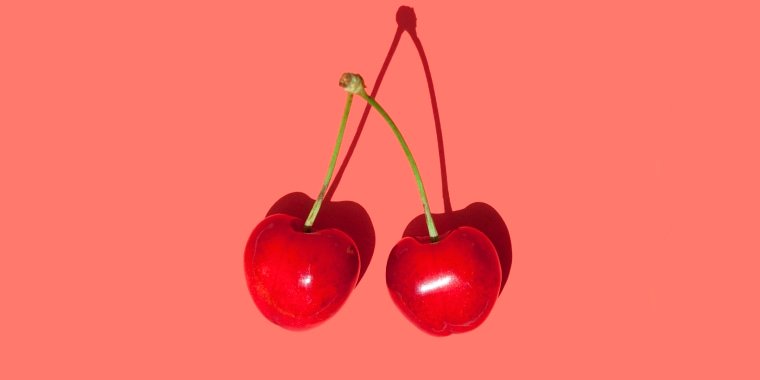
Eating cherries or drinking tart cherry juice may help alleted to the fruit’s anti-inflammatory properties
Some research found tart cherries showed “comparable anti-inflammatory activities” to ibuprofen and non-steroidal anti-inflammatory drugs
Resveratrol is one of the main antioxidants found in red grapes, especially the skin
This natural polyphenol has cardio-protective effects, plus anti-inflammatory and antioxidant properties, researchers note
Phytochemicals in grapes — including resveratrol and anthocyanin — appear to protect the heart by reducing cholesterol and triglycerides, and resisting inflammation, a study found
Eating apples is associated with a reduced cancer risk, according to a meta-analysis of more than 40 studies
“The authors hypothesize that the polyphenols in the apples act as antioxidants, which may inhibit tumor multiplication and growth,” Rizzo notes
Apples are also a major
With a gorgeous deep-red color, this fruit is filled with seeds called arils that can be juiced or eaten on their own
Pomegranates are famous for their anti-inflammatory properties among other benefits
Flavonoids, a type of phytochemical found in pomegranates, have antioxidant effects that may aid in the prevention of skin cancer, prostate cancer and colon cancer, Theresa Gentile, registered dietitian and spokesperson for the Academy of Nutrition and Dietetics, previously told TODAY.com
Eating whole fruit is usually better than juicing because it provides fiber and tends to be more filling, but 100% juices like pomegranate juice or Concord grape juice still contain the anti-inflammatory compounds, Rizzo says
This juicy, hydrating fruit has more lycopene — an anti-inflammatory antioxidant — than any other fruit or vegetable, Rizzo says
Lycopene has been studied for its role in lowering blood pressure, preventing certain types of cancer and contributing to skin health, she adds
Oranges and grapefruits are famous for their abundance of vitamin C, a powerful antioxidant
They also contain hesperidin, an antioxidant that suppresses inflammation and has been linked to cardiovascular health, immune health, cognitive function and bone health, Rizzo notes
These fuzzy favorites are a natural s potent antioxidants
Peaches also contain more fiber, vitamin C and potassium than other stone fruits, like plums, dietitians say
Pineapple is another vitamin C star and it contains a unique enzyme called bromelain that has anti-inflammatory properties, according to the National Cancer Institute
It may help reduce swelling, pain, and inflammation associated with arthritis, sports injuries and recovery after surgery, studies have found
