


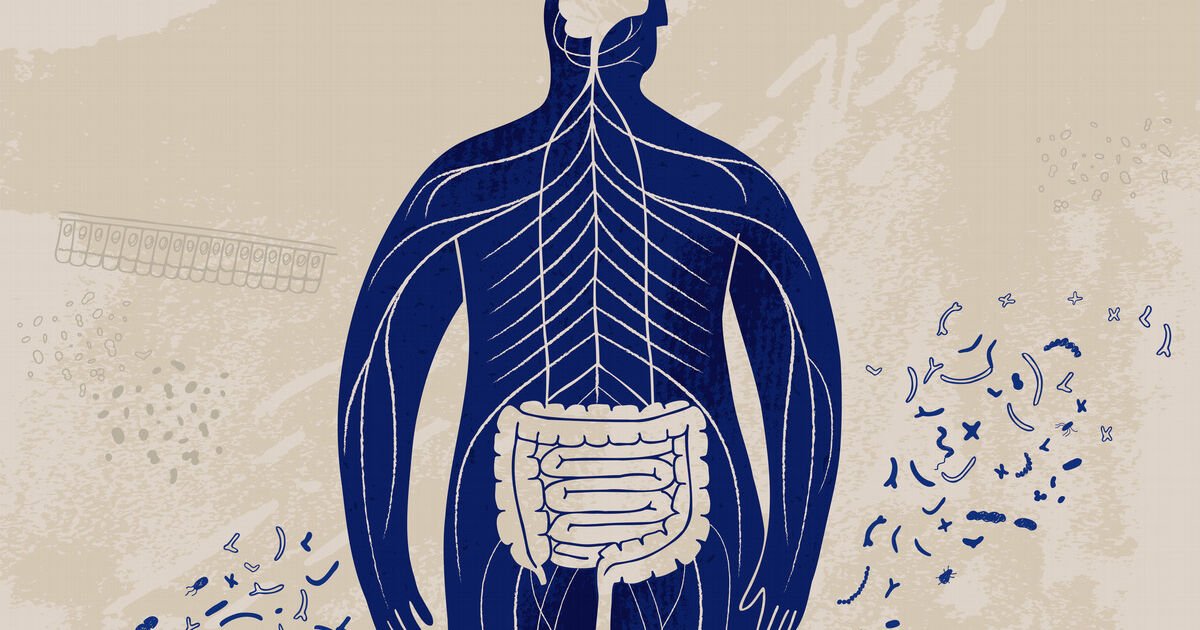
With more than 100 million neurons in the digestive tract, the gut is commonly known as the “second brain” in numerous cultures, including ancient Greece, Japan, China and India, linking digestion with physical and mental well-being
Now, a new study from Emory University explains the gut-brain connection, indicating that live bacteria from the gut can directly enter the brain, with potential implications for neurological health
Published in PLOS Biology in March, this study, performed using mouse models, establishes that live bacteria from an imbalanced gut microbiome can enter the brain heart rate and breathing, the vagus nerve connects the brainstem to the heart, lungs, and major abdominal organs, including the stomach, intestines, liver and more
“One of the biggest translational aspects of this study is that it suggests that the development of neurological conditions may be initiated in the gut,” says David Weiss, Ph.D., co-principal investigator of the study

During this study, a group of germ-free mice consumed a “Paigen’s Diet,” similar to a Western Diet, with a 45% carbohydrate and 35% fat content, for nine days. These diets in humans are known to contribute to intestinal permeability or a “leaky gut” where compounds can escape the intestine
The resulting gut microbiome changes seen in the mice were associated with increased intestinal barrier permeability, or leakage, enabling live bacteria to travel from the intestine directly to the brain in the blood or other organs

The study also emphasizes that stringent methods were employed to prevent cross-contamination and that the bacterial loads in the brains were low, within the hundreds, ruling out sepsis or meningitis
Researchers also identified low levels of bacteria in the brains of mouse models of neurological diseases, such as Parkinson’s Disease, Alzheimer’s and more, potentially explaining how these conditions may be initiated in humans
“This research highlights the need for further study into how dietary shifts have a huge influence on human behavior and neurological health,” says Arash Grakoui, Ph.D., co-principal investigator of the study, and professor of medicine, microbiology and immunology at Emory University
Grakoui also noted that returning these mice to a normal diet restricted bacterial load in the brain by decreasing gut permeability, indicating that the impact of a high-fat diet on bacteria reaching the brain can be reversible
Media Contact
- lara.w.moore@emory.edu

Did you know a trip to Italy to visit violin makers is research? Or that a single plant has hundreds of enzymes to unlock? It’s all part of the research these seven undergraduates are pursuing

Emory is introducing a new funding program for faculty called AMPLIFY that will further catalyze ambitious, publicly engaged scholarship in the humanities, arts and social sciences

Emory Healthcare Veterans Program is expanding Texas outreach to connect more veterans with no-cost PTSD care, highlighting its Atlanta-based two-week treatment program for veterans from Texas and across the country
