


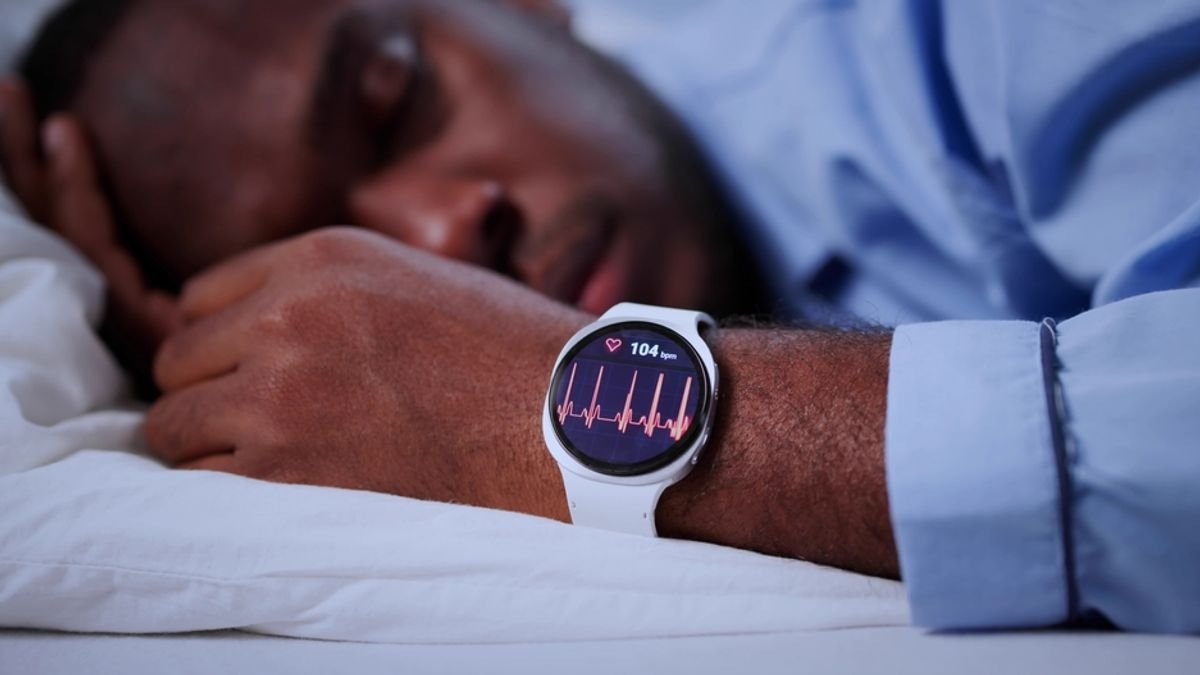
It can happen without feeling like real sleep deprivation. You go to bed a little later, wake up to the same alarm, and move through the next day just tired enough to sit more than usual. Nothing about it feels extreme. But after six weeks, losing about 80 minutes of sleep a night showed up in measurable ways
A new study in Annals of Internal Medicine found that adults who trimmed their sleep by about 80 minutes a night gained about one pound on average and spent more time sedentary. The results focus on a common pattern of sleep loss, not an all-nighter or a four-hour night, but a repeated bedtime delay that may affect weight, movement, and long-term health
“Our study shows that getting adequate sleep may help reduce the risk of weight gain and obesity-related conditions like heart disease and diabetes,” said study leader Marie-Pierre St-Onge in a press release
Mild Sleep Loss May Lead to Weight Gain
The researchers followed 95 adults who usually slept seven to eight hours a night. Instead of testing sleep deprivation, they looked at the kind of shortened sleep many people experience when work, stress, screens, or long routines push bedtime later
Each person went through two six-week sleep schedules. For one, they slept as usual. For the other, they were asked to delay their normal bedtime by 90 minutes, which shortened their sleep by about 80 minutes a night
Throughout both phases, wrist monitors tracked sleep and activity. Researchers also measured body weight, waist size, body composition, and fasting hormones linked to appetite
After the shorter-sleep phase, participants had gained about one pound on average
“While the one-pound weight gain observed with modest sleep curtailment is not overwhelming, it is important to remember this is occurring over just six weeks,” said first author Faris Zuraikat
Zuraikat said that if the same pattern continued for a year, losing less than an hour and a half of sleep each night could lead to clinically meaningful weight gain
Shorter Sleep Also Meant More Sitting
The participants did not just gain weight; they also moved less. During the short-sleep phase, sedentary time rose by an average of 17 minutes per day. Among men and postmenopausal women, it increased by nearly 30 minutes per day
“Even when we accounted for the fact that they were awake longer when sleep was shortened, participants spent more time being inactive than when they got adequate sleep,” Zuraikat said. “This is notable, as people who are more sedentary have elevated risk for chronic diseases.”
The study does not mean that every person who sleeps less will gain the same amount of weight. But it shows how a later bedtime can ripple into the next day, changing both body weight and activity
Why Sleep Matters for Weight and Health
Earlier sleep studies often focused on severe restriction, sometimes allowing people only about four hours of sleep. Those experiments showed that major sleep loss can change appetite and eating behavior
The new work builds on earlier Columbia research linking mild sleep restriction to other health changes. In one related study, women with higher cardiometabolic risk had increased insulin resistance after six weeks of shortened sleep. In another study, people with elevated heart risk showed an increase in inflammatory cells in the heart after mild sleep restriction
For people trying to manage weight, the findings make bedtime harder to dismiss. The extra time awake did not translate into more movement, it meant more sitting, a small amount of weight gain, and another sign that sleep belongs in conversations about metabolic health
This article is not offering medical advice and should be used for informational purposes only
Read More: Immersive Dreams May Be the Key to Better Sleep Quality
Article Sources
Our writers at Discovermagazine.com use peer-reviewed studies and high-quality curacy and editorial standards. Review the
- This article references information from a study published in Annals of Internal Medicine:Skimping on Sleep and Its Impact on Body Weight and Composition: A Pooled Analysis of Randomized Trials
