


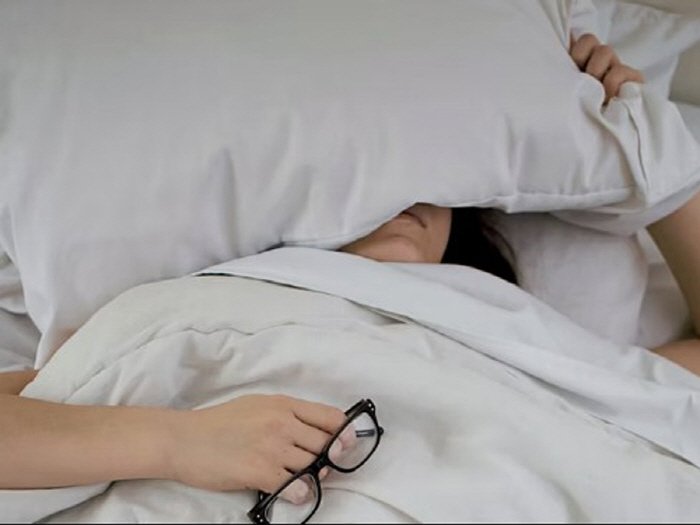
[Sportschosun Jang Jong-ho] Many people avoid exercising before bed because they worry it will keep them awake
However, experts stressed that exercise intensity and when a workout ends may have a greater impact on sleep quality than the time of day alone
Professor Cho Hyun-jin of the Department of Neurology at Ewha Womans University Seoul Hospital said, “A number of meta-analyses show that even high-intensity exercise can actually help sleep if it ends at least two hours before bedtime.” She added, “The problem is high-intensity exercise done within an hour of going to bed. In that case, people tend to fall asleep later and sleep for a shorter total time. By contrast, moderate- and low-intensity exercise has been found to be relatively safe regardless of the time of day.”
Exercise intensity is generally classified as low, moderate, or high based on factors such as heart rate, how hard the workout feels, and whether a person can talk during exercise. Low-intensity exercise is below 50% of maximum heart rate, a level at which a person can talk and even sing. Examples include light walking and stretching. Moderate-intensity exercise is about 64% to 76% of maximum heart rate. Conversation is possible, but singing is difficult. Brisk walking and light cycling fall into this category. High-intensity exercise is roughly 77% or higher of maximum heart rate, making conversation difficult. Running, interval training and vigorous ball sports are included.
However, Professor Cho pointed out that continuing excessive training without enough recovery can lead to overtraining syndrome, which may cause insomnia and poorer sleep quality. When recovery is insufficient, stress hormone secretion continues, and the body can remain in a heightened state of alert even at night, making it harder to fall asleep. For that reason, exercise is most beneficial for sleep only when it is paired with adequate recovery.
According to Cho, professional consultation is needed if symptoms such as difficulty falling asleep or frequent awakenings occur at least three times a week for more than three months; if daily life is affected by severe fatigue, drowsiness or reduced concentration despite getting enough sleep; if snoring is severe or breathing pauses are noticed during sleep; or if there is no improvement after several weeks of regular exercise and good sleep hygiene.
She also said that poor sleep quality has been linked in multiple epidemiological studies to cardiovascular disease, diabetes, obesity, mental health problems and cognitive decline. She noted that during sleep, the body carries out important physiological functions such as growth hormone secretion, muscle and tissue recovery, memory consolidation and the removal of waste products from the brain. “For health, it is important not only to get enough sleep, but also to maintain good sleep quality,” she said.
Cho added that light stretching before bed can help relax tense muscles and calm both body and mind, making it easier to fall asleep. She also said another network meta-analysis found that both aerobic exercise and strength training improve sleep quality, making it a good habit to choose an activity one can enjoy consistently for better sleep
Jang Jong-ho bellho@sportschosun.com
This article has been translated by GripLabs Mingo AI
원문보기(View Original Korean Article)
- ‘”Three Kidneys?” Rare Congenital Condition Caused Chronic Back Pain’
- ‘”AI predicts atrial fibrillation even without symptoms… deep learning model proves clinical validity”’
