


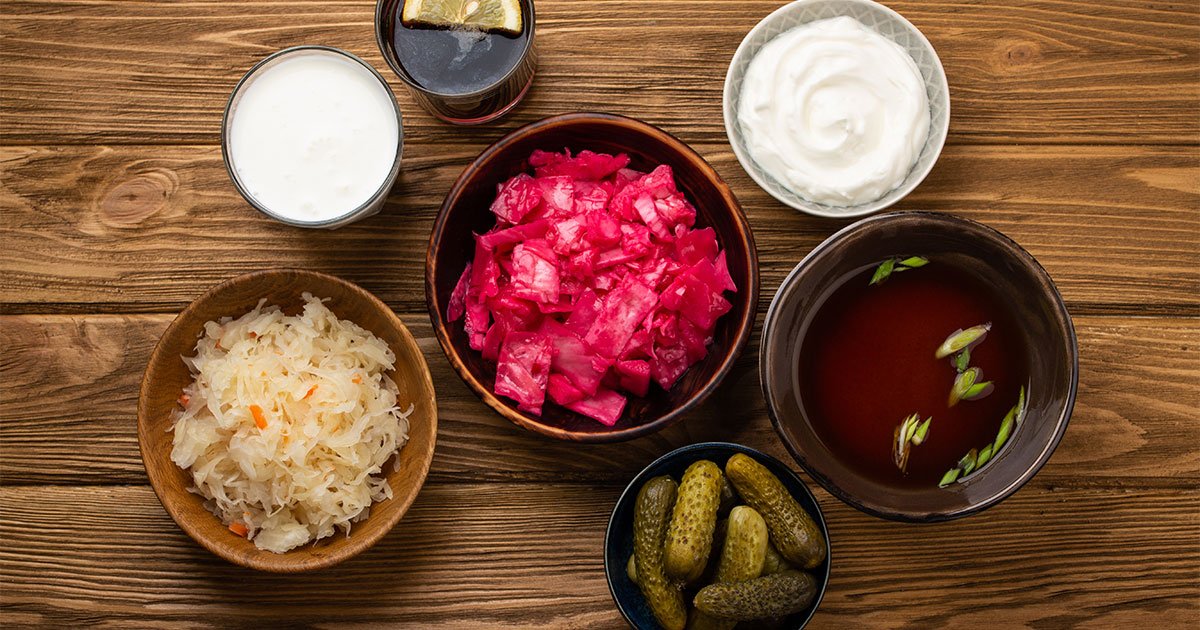
Humans have been turning to fermented foods for centuries to help prevent food from spoiling. It also turns out the process of fermentation confers powerful health perks
“Fermented foods contain live, or sometimes inactive, microorganisms that can populate the gut with healthy bacteria, boost the nutritional value of foods and promote healthy digestion,” said L.J. Amaral, a clinical research dietitian and PhD candidate at Cedars-Sinai
The way to build a diverse microbiome is by eating a variety of foods that support the growth of different bacteria—and fermented foods are a great place to start.
What Are Fermented Foods?
Fermented foods are created through the activity of microorganisms—typically bacteria, yeasts or molds—that feed on the natural sugars and starches in foods. During this process, they produce organic acids (such as lactic acid), enzymes and nutrients that both preserve the food and promote health
“Most fermented foods also contain probiotics, which are the good bacteria that support our gut health,” said Suzanne Devkota, PhD, director of the Human Microbiome Research Institute at Cedars-Sinai
{{providers}}
These microbes may occur naturally in foods that are being fermented, or they can be added to kickstart the fermentation process. But not all fermented foods contain live, active cultures when they’re consumed
“Heating, processing and alcohol can kill live microbes,” said Amaral, who works in Devkota’s lab. “Sourdough bread, pasteurized yogurt and wine all start with fermentation, but the organisms produced during fermentation don’t usually survive the manufacturing process.”
Similarly, shelf-stable items such as jarred sauerkraut and pickles don’t contain live microbes. But even inactive/dead microbes can produce health benefits
{{cta-block}}
The Health Benefits of Fermented Foods
One of the most important markers of a healthy gut is microbial diversity—the presence of different types of bacteria
“The way to build a diverse microbiome is by eating a variety of foods that support the growth of different bacteria,” said Devkota, “and fermented foods are a great place to start.”
A few science-backed benefits of fermented foods include:
- Fewer pathogens.Fermented foods introduce “good” bacteria called probiotics that can help crowd out harmful microbes. These probiotics create acidic fermentation byproducts, which lower your intestinal pH and make your gut inhospitable to bad bacteria.
- Healthful byproducts.In addition to probiotics, fermented foods are “postbiotic,” meaning they deliver all the healthful metabolites and chemical byproducts of fermentation directly to the gut. “Many of the bacteria in fermented foods won’t survive nor colonize the gut, but the thousands of chemical products of fermentation that are in the food are the most beneficial part,” said Devkota. “They interact directly with immune cells and your gut barrier, and feed the existing good bacteria in your gut.”
- Added nutrition.The good bacteria in fermented foods provide an array of nutrients, including B vitamins, vitamin K and digestive enzymes. Fermented vegetables, for example, boast vitamin B12, which isn’t otherwise available from plant sources.
- Reduced inflammation.Research suggests that eating fermented foods may help boost immune function and reduce chronic inflammation. In one small study, people who ate fermented foods daily for 10 weeks showed lower levels of 19 inflammatory proteins, including interleukin 6, a protein linked to conditions such as diabetes, arthritis and chronic stress.
- Improved digestion.Fermentation helps break down complex carbohydrates, creating byproducts that support digestion, strengthen the intestinal barrier and enhance nutrient absorption. “Fermentation makes the gluten in sourdough bread easier to digest and reduces digestive irritants, including fermentable oligosaccharides, disaccharides, monosaccharides and polyols (FODMAPs), phytic acid and oxalates,” said Amaral.
Studies link a less diverse microbiome with a host of chronic inflammatory conditions, including irritable bowel syndrome, Type 2 diabetes and fatty liver disease
“However, people with certain health conditions, or those who take certain medications, may need to avoid fermented foods,” said Devkota. “The live microorganisms in these foods can sometimes interfere with medications or worsen certain gastrointestinal conditions.”
Favorite Fermented Foods
From sauerkraut in Germany to natto in Japan, cultures around the globe have included fermented foods in their diets for centuries. But not all fermented foods are created equal. Hard cheese, for example, may not impart the same health benefits as yogurt
The reason: “It’s in the microbes,” Amaral said. “Live, active cultures are considered the most effective because they’re metabolically active, so it’s important to look for terms like ‘naturally fermented,’ and ‘live, active cultures’ on labels.”
Popular fermented foods include:
- Kefir: fermented, drinkable yogurt
- Kimchi: fermented Korean side dish made with napa cabbage, radish, scallions and spices
- Kombucha: a slightly fizzy, fermented tea
- Miso: fermented soybean paste
- Natto: sticky, fermented whole soybeans
- Sauerkraut: cabbage fermented with salt and water or vinegar
- Tempeh: fermented soybean cake
- Yogurt: fermented milk made with a starter culture of bacteria
Getting the Most From Fermented Foods
Fermentation can help preserve seasonal produce so you can enjoy it year-round. Take cabbage, for example. If you leave it out on a shelf, it will spoil within a few weeks. But if you ferment it into sauerkraut, that same cabbage will last for months
“Adding fermented foods to your diet doesn’t have to be complicated,” said Amaral. “Just aim for one serving a day and start simple. Add pickled vegetables as a side dish. Toss sauerkraut into a sandwich or wrap. And use kefir in smoothies instead of milk.”
True, fermented foods have a distinctive flavor profile that can be off-putting at first
“It can be an acquired taste,” Amaral said, “but that doesn’t mean it’s not worth acquiring.”
Are all fermented foods good
No. While many fermented foods start with live microbes, processing methods like heating or pasteurization can destroy them
How do fermented foods protect the gut?
The fermentation process introduces an array of beneficial bacteria (probiotics), and fermentation metabolites (postbiotics) which can crowd out harmful microbes and support digestion, immunity and nutrient absorption
Are there other health benefits of fermented foods?
Yes. Fermented foods provide an array of nutrients, including B vitamins, vitamin K and digestive enzymes. Plus, research shows eating fermented foods regularly may lower inflammation-related markers and support immune health
What are some common fermented foods?
Yogurt, kefir, kimchi, sauerkraut, kombucha, tempeh, miso and natto are popular fermented foods.
Who should avoid fermented foods?
People with certain GI conditions, and those who are taking specific medications, should talk to their doctor before increasing their intake of fermented foods
Healthy living page
