


skip to content
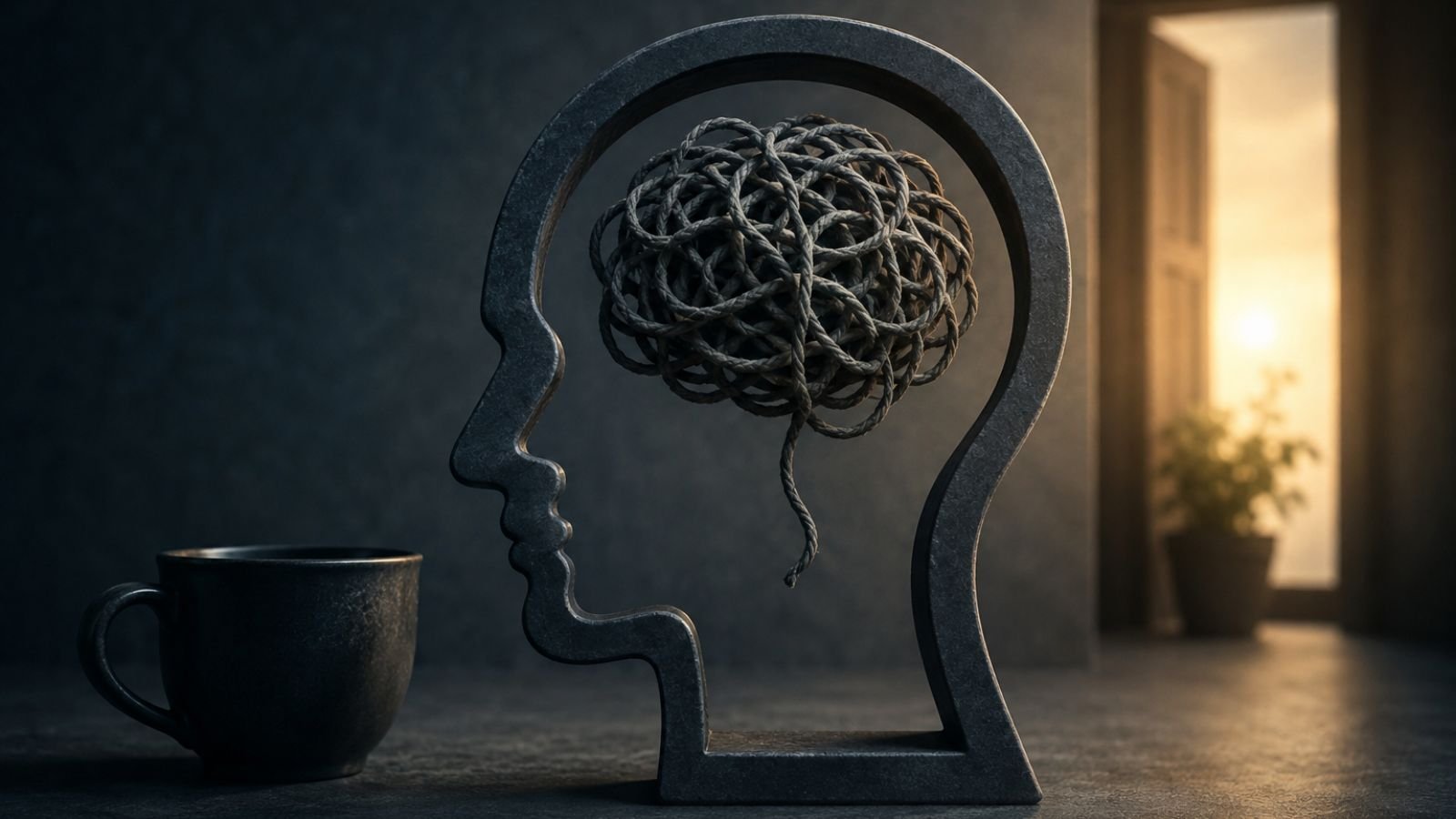
Unlike physical illnesses, mental illness often has no clear endpoint. (Image generated using AI)
The death of 40-year-old psychiatrist Dr Hemika Agrawal from Ghaziabad, who allegedly died by suicide, has sent shockwaves through India’s medical fraternity. Her family has said she had been battling depression following a divorce around 18 months ago, while police are investigating the circumstances surrounding her death
Beyond the immediate tragedy, the incident has reignited an uncomfortable conversation within the medical community: why do psychiatrists — doctors trained to diagnose depression, anxiety and self-harming behaviour — often find it difficult to seek help for themselves?
“The answer lies in the unique emotional demands of psychiatry, a medical culture that prizes resilience over vulnerability, and the persistent stigma surrounding mental illness — even among those who treat it,” Dr Rajiv Mehta, Vice-Chairperson, Department of Psychiatry, Sir Ganga Ram Hospital, New Delhi, told The Indian Express. Excerpts:
The doctors who absorb other people’s pain
Every medical specialty has its pressures. Surgeons perform complex operations, intensivists battle life-and-death emergencies, and oncologists deliver unpleasant diagnoses. But psychiatry presents a different kind of challenge. Every day, they sit across from people who have survived abuse, trauma, domestic violence, addiction, psychosis, grief and suicide attempts. They are expected to remain calm while assessing patients in severe emotional distress, helping families navigate mental illness and making difficult decisions about suicide risk and hospitalisation.
Unlike a surgical procedure that ends when the patient leaves the operating theatre, psychiatric consultations demand sustained emotional engagement. As psychiatrists, we deal with emotionally difficult cases day in and day out and carry the emotional burden of patients. Those experiences don’t simply disappear when we leave work. They rub off on us
Over months and years, this repeated exposure can lead to what psychologists describe as compassion fatigue, secondary traumatic stress and burnout — conditions that affect professionals who are continually exposed to the suffering of others. Unless we process those emotions ourselves, they accumulate
Why psychiatrists don’t seek help
Ironically, despite recognising the symptoms of depression better than anyone else, psychiatrists often delay seeking treatment for themselves. Mental healthcare rests on what he calls a helping triad: help-seeking, help-giving and help-acceptance
As psychiatrists, we are very comfortable giving help. But we often struggle with the other two. Seeking help ourselves and accepting help can become surprisingly difficult. From the first year of medical school, we are taught to toughen up. We learn to work through exhaustion, grief, stress and sleep deprivation because the patient always comes first
That culture, while fostering resilience, can also discourage vulnerability. We don’t show the chinks in our armour. There is often an unspoken belief that because we are psychiatrists, we should somehow be mentally stronger than everyone else. That expectation is unrealistic
‘It is not the person who is weak’
One of the biggest misconceptions surrounding depression is that it reflects a weakness of character. It is not the person who is weak. It is the brain that has become unwell. The brain functions through a complex balance of neurotransmitters and neural circuits. Like any other organ, it can become diseased. Depression and other psychiatric illnesses arise because of biological, psychological and environmental factors — not because someone lacks willpower.
Understanding these mechanisms, however, does not make psychiatrists immune
The fear of becoming a patient
Another barrier is psycho pharmacophobia or the fear of seeking psychiatric treatment or taking medication. Some psychiatrists worry that taking medicines will make them dependent or that colleagues may judge them. These misconceptions often delay treatment
Not everyone requires medication. Many people improve with counselling alone. Others benefit from medicines for a limited period under supervision. The important thing is not to delay seeking help
The emotional labour of psychiatry
Unlike physical illnesses, mental illness often has no clear endpoint. Psychiatrists may spend months or years treating patients with severe depression, schizophrenia, bipolar disorder or chronic trauma, forming therapeutic relationships while witnessing repeated relapses, suicide attempts and family crises. That constant emotional labour can gradually erode a doctor’s own psychological reserves if adequate support systems are not in place. Psychiatrists need spaces where they can talk openly with trusted colleagues. Sharing emotionally difficult cases with fellow psychiatrists helps. We need to loosen up too.
We advise our patients to prioritise self-care. We must practise what we preach
Changing the culture of medicine
Hospitals need to normalise confidential counselling, peer-support groups and routine mental health check-ins for doctors, particularly those working in emotionally demanding specialties. If psychiatrists cannot seek help without fearing judgment, how can we expect society to do so? Seeking help is not a sign of weakness. It is the first step towards recovery
© The Indian Express Pvt Ltd
- Spider-Man Brand New Day Box Office Collection Day 6 Update: Tom Holland film earns over Rs 10,000 cr worldwide, becomes second fastest movie to reach that milestone13 minutes ago
- UPTET Result 2026 Live Updates: UPESSC expected to release scorecards soon at upessc.up.gov.in14 minutes ago
- Parliament Monsoon Session Day 13 Live: Union Minister Kiren Rijiju, Rahul Gandhi’s facetime amid deadlock17 minutes ago
- India New Live Updates, 5 August 2026: Sonam Wangchuk’s video call with Jharkhand students on hunger strike36 minutes ago
- Udhayanidhi Stalin Arrest Live Updates | ‘Won’t be afraid of false case’: Udhayanidhi Stalin slams TVK government as ‘circus camp’15 hours ago
