


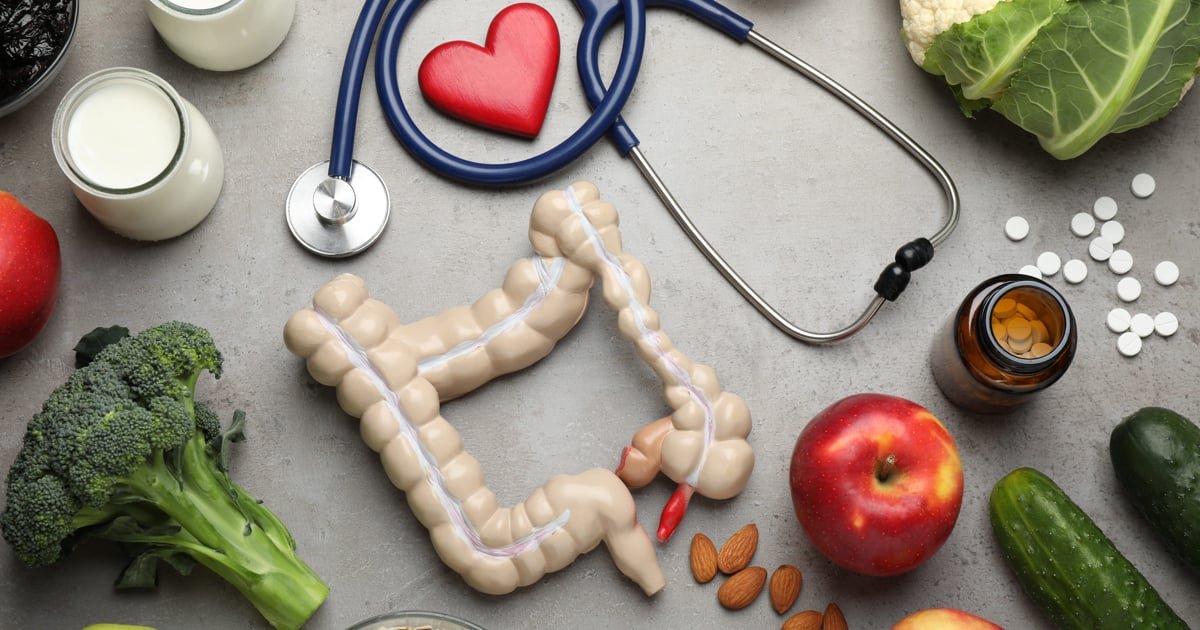
The gut is far more than a digestive system, and the food choices people make every day can play a major role in the diverse ecosystem of bacteria living inside it
Registered dietitian Abigail da Cruz says nutrition should not be reduced to weight loss or restrictive diets, arguing that the focus should instead be on consistently nourishing the gut with a varied diet
Speaking to Dr Michael Mol on Cipla Health Matters, Da Cruz discussed the gut microbiome, fermented foods, probiotics, sleep, mood and some of the most persistent myths surrounding modern diets
Her central message was simple: rather than constantly asking what should be removed from a diet, people should start thinking about what they can add
Also check out these Cipla Health Matters episodes by Mol:
—Tired after 8 hours of sleep? Dr Michael Mol explains why, and shares 5 things you can do about it
—Dr Michael Mol warns 6 hours of sleep could be damaging your brain and heart
— The ‘95% safer’ vaping claim isn’t backed by science, says lung specialist
The gut is more than digestion
Da Cruz said people are often taught to think of the gut simply as the part of the body responsible for digesting food
But the gut microbiome is a far more complicated ecosystem
“Our gut is involved, and the gut microbiome has all these different bacteria within the gut that create our gut microbiome, and they’re really this living ecosystem that helps us with our food digestion,” she said
According to Da Cruz, the gut microbiome is also involved in the immune system and metabolism, while different bacteria contribute to the production of nutrients such as vitamins
Mol highlighted the scale of the system, noting that the gut microbiome contains around 100 times more genes than the human genome and that the digestive tract contains what scientists call the enteric nervous system
He described the roughly 500 million neurons operating along the digestive tract as the body’s “second brain”
But Da Cruz’s focus was less on the complexity of the science than on what people can actually do about it
One of the most important principles, she said, is diversity
Also check out these Cipla Health Matters episodes by Mol:
— Dr Michael Mol and vaccine expert bust myths putting South Africans at risk
— Dr Michael Mol recommends daily habit to ease winter congestion
— Gerda Steyn tells Dr Michael Mol why recovery is the secret behind elite performance
Why variety matters
Da Cruz compared the gut microbiome to a living ecosystem made up of different types of bacteria
That means feeding the microbiome a wide variety of foods can help support that diversity
“We have to have a variety of food, and we know that even if I eat lots of different types of plants, that’s going to feed different types of bacteria making up the gut,” she said
Her advice is not necessarily to overhaul an entire diet overnight
“If we can start to increase the variety of different plant-based foods that we’re eating, even if it’s just one item extra that we’re putting onto our plate, it can make a big difference,” Da Cruz said
Mol pointed to research discussed during the interview involving people eating 30 or more different plant species a week, compared with those eating 10 or fewer
The practical implication is that the number does not necessarily have to feel overwhelming. Mol suggested that foods such as walnuts, flaxseed and herbs can all contribute towards the variety
Da Cruz agreed, pointing out that even spices used to flavour food can contribute different plants to the diet
Also check out these Cipla Health Matters episodes by Mol:
— Dr Michael Mol reveals silver bullet against colds and flu
What should actually be on your plate?
For people wondering where to begin, Da Cruz offered a simple plate model
She recommends filling half the plate with a variety of vegetables rather than relying on one type
“The more colours you have, the more diverse it’s going to be and the different bacteria it’s going to feed,” she said
The remaining half can then be divided into quarters, with one quarter for a high-fibre carbohydrate and the other for lean protein
Da Cruz suggested options including buckwheat, whole-wheat couscous, quinoa and high-fibre cracker breads
She described this combination as the “cornerstone of a gut-friendly diet”
And for people concerned about their weight, Da Cruz said the answer is not necessarily to embark on an extreme diet
“We never want to do something extreme where we’re cutting one food out,” she said
Instead, she recommends asking what can be added to the diet, including more fruit, vegetables and high-fibre carbohydrates
“We’ve got a massive obesity problem, and so this idea of restriction is always planted in our minds…”
Fermented foods and probiotics are not the same thing
Fermented foods were another major focus of the conversation
Da Cruz said people should consider including more fermented foods in their diets, particularly because some options are readily available in the South African food environment
Yoghurt is one example
“Always try to advocate for including yoghurt,” she said, pointing to live bacterial cultures found in yoghurt
Other fermented foods mentioned during the discussion included kimchi, sauerkraut and kombucha
But Da Cruz stressed that fermented foods and probiotics are not interchangeable
A probiotic contains live bacterial species and, she said, can be used in more targeted situations
“For the general average person, we can definitely include fermented foods for getting these live additive cultures in our diet,” she said
When it comes to probiotics, Da Cruz said the right product depends on the individual and the condition being addressed
She suggested considering whether a product has clinical research behind it, whether its safety profile is established, whether the strains have evidence supporting their use, and whether it comes from a reputable company
“There’s not going to be necessarily one hero product,” she said
“Certain products are going to be best for certain conditions.”
Carbs aren’t the enemy
One of the myths Mol asked Da Cruz to address was the idea that carbohydrates are inherently bad
Her response was unequivocal
“So, definitely, carbs are not the enemy.”
In fact, she said some carbohydrates can play an important role in gut health
The focus should be on high-fibre carbohydrates such as fruits, legumes including beans, lentils and chickpeas, and whole-grain foods
At the same time, she advised limiting highly processed refined carbohydrates, giving examples including potato chips, sweets, chocolates and biscuits
“So, it’s not that all carbs are the enemy. It’s more about focusing on the right type of carbs to include in your diet,” she said
That distinction was central to the wider message of the interview: rather than treating individual food categories as universally good or bad, people should focus on the overall quality and variety of their diets
More diet myths need busting
The conversation moved through several other popular diet claims
One was the belief that someone needs a probiotic rather than fibre
Mol argued that food remains the foundation, saying: “Supplements support it, but probiotics without prebiotics is like planting seeds in concrete.”
Da Cruz also challenged the idea that a product labelled “sugar-free” is automatically healthy
She said sugar-free products can contain non-nutritive sweeteners and that studies are beginning to link excessive sweetener intake with changes in the gut microbiome
Her advice was to look beyond a single claim on the front of a food package and consider the entire food and its nutrient label
Another myth discussed was the idea that a commercial gut cleanse can “reset” the microbiome
Mol was emphatic in rejecting that idea, saying there is no peer-reviewed evidence that a commercial cleanse improves microbiome health and warning that highly restrictive protocols can reduce microbial diversity in the short term
Da Cruz agreed that people can be tempted by the idea of a quick fix
“Unfortunately, we don’t really get anything from quick fixes. It does take a little bit more hard work and consistent change to lead to consistent results,” she said
The same principle applied to supplements
When asked whether supplements could compensate for a poor diet, Da Cruz gave a concise answer:
“They supplement. They do not substitute.”
Gluten-free doesn’t automatically mean gut-friendly
The gluten-free trend also came under scrutiny
Da Cruz said gluten-free products are designed for people who need to avoid gluten, but that this does not automatically make them healthier for everyone else
She warned that some gluten-free products can contain higher amounts of added fats and sugars, while also being highly refined and low in fibre
Her recommendation was again to focus on high-fibre whole-grain carbohydrates rather than assuming that removing gluten automatically makes a product healthier
Keto isn’t a universal answer either
Ketogenic diets were another topic raised during the myth-busting discussion
Mol described the idea that living in ketosis is the answer as a myth that needed to be challenged
He acknowledged that ketosis can assist with short-term weight loss, but argued that prolonged ketogenic diets can substantially reduce fibre intake and therefore reduce microbial diversity
That returned the conversation to the central theme running throughout the interview: diversity
Whole-food carbohydrates, rather than all carbohydrates, were the focus of the dietary advice
Don’t just eat for your waistline
Da Cruz also argued that people should stop viewing food exclusively through the lens of weight loss
While weight loss can be an outcome for people who want it, she said other changes may happen first when people improve their nutrition
“We tend to sleep better. Our energy levels drastically improve,” she said
She also described patients reporting that they no longer experience the afternoon energy slumps they previously experienced
Skin health can improve too, she said
The broader message was that food should be viewed as nourishment rather than simply as a tool for controlling body weight
“We can stop looking at food just as a vehicle of weight loss but rather food as a vehicle for nourishment of our whole body,” she said
The gut, mood and sleep connection
The discussion also explored the relationship between the gut and the brain
Mol pointed to the connection between the gut and brain through the vagus nerve, while Da Cruz said patients often report mood changes when they make improvements to their diets
She said some patients experience greater mood stability and a greater feeling of happiness
Da Cruz highlighted foods including fermented products, high-fibre whole grains such as oats and quinoa, brown bread and foods containing omega-3
She specifically mentioned fatty fish such as salmon, trout, mackerel, sardines and pilchards
Sleep is another part of the equation
Da Cruz said sleep affects hormones, including cortisol, and is connected to the gut-brain system
She recommended aiming for seven to eight hours of sleep a night, noting that many people do not achieve that
The conversation therefore moved beyond food alone: gut health, nutrition and sleep were presented as interconnected parts of everyday health
Start with one change, not a complete diet overhaul
For someone starting from scratch, Da Cruz’s advice was not to throw out their entire diet
Instead, start adding
For a South African braai, for example, she suggested adding vegetables such as grilled mushrooms rather than focusing solely on meat
She suggested adding vegetables to lunch, and choosing alternatives such as popcorn or high-fibre crackers instead of a packet of chips
“These are small, consistent changes that will lead to results over time,” she said
The approach is deliberately incremental
Rather than attempting to follow an extreme diet perfectly, the emphasis is on making changes that can actually be repeated
What about probiotics?
Probiotics can have a place, but Sa Cruz stressed that they should not be viewed as a shortcut around poor nutrition
She said dietitians may see patients with conditions such as IBS or IBD where the gut microbiome has become less diverse, and that a probiotic can be a tool in certain circumstances
She also noted that probiotics are being investigated in areas ranging from diabetes control to mood regulation
But choosing one is not as simple as picking a product from a shelf
Da Cruz recommended looking for clinical research, evidence around particular strains and dosages, safety information, reputable manufacturing and appropriate shelf life
Most importantly, she said, there is no single probiotic that is necessarily right for everyone
“Really, it’s about using the right product in the right patient,” she said
For the average person, however, the message remained consistent throughout the interview: start with food
Feed the good
Da Cruz’s advice ultimately comes back to a relatively simple principle: increase variety, prioritise fibre, include fermented foods and avoid relying on restrictive diets or quick fixes
Rather than asking only what needs to be removed from a diet, ask what can be added
A greater variety of vegetables, fruits, legumes and high-fibre foods can form the foundation
Fermented foods such as yoghurt can be included, while probiotics may have a role in specific circumstances
And the broader lifestyle picture matters too, with sleep forming part of the gut-health equation
As Mol put it towards the end of the interview, “You don’t need a detox. You don’t need an elimination diet. You don’t need a supplement stack.”
The message from Da Cruz was similarly focused on consistency rather than extremes
Small, sustainable changes to what people eat every day can, she said, build towards better nutrition over time
Get the whole picture 💡
Take a look at the topic timeline for all related articles
Trending News
- 45 minutes ago
- 1 hour ago
- 2 hours ago
- 3 hours ago
- 4 hours ago
- 4 hours ago
- 4 hours ago
- 5 hours ago
- 5 hours ago
- 5 hours ago
- 5 hours ago
- 5 hours ago
More in Lifestyle
13 August 2026 06:42
Tygerberg Children’s Choir takes top honours at global festival
13 August 2026 06:22
WEATHER: Chilly Friday for Joburg and Pretoria, Cape Town starts cloudy before skies brighten
- Weather forecast
- Cape Town weather
12 August 2026 13:36
Tyrese Gibson, Case, RL and Zonke to perform at Pretoria’s Ndlala Grandeur II
