


November 1, 2025
ByMaureen Salamon,
Executive Editor, Harvard Women’s Health Watch
- Reviewed byToni Golen, MD,
Editor in Chief, Harvard Women’s Health Watch; Editorial Advisory Board Member, Harvard Health Publishing; Contributor
Share
Print This Page
Nobody disputes the importance of sound sleep; it’s essential for mind, body, and soul. But ask which sleep position is best, and you’ll likely encounter differences in opinion
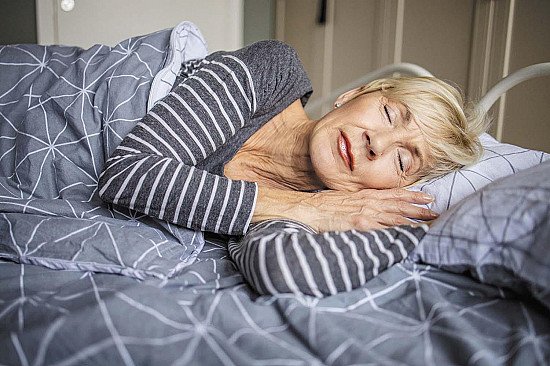
Most people have a favorite sleep pose – a choice shaped by their age, size, weight, mattress, pillows, and whether they share a bed – but few give any thought to how it might matter to their health, a Harvard expert says. The position you slumber in, however, can influence not only how restfully you sleep, but also certain health conditions – some of them serious
More than 60% of adults sleep on their side, making this position the most common, while back sleeping is second in popularity, according to the Sleep Foundation, an organization that provides science-based information, resources, and expert guidance to help people improve their sleep health. Meanwhile, stomach sleeping poses several drawbacks to health and isn’t recommended for most people, the Sleep Foundation says.
But even if you claim to be a committed side or back sleeper, your perception may be off, says Dr. John Winkelman, a professor of psychiatry in the Division of Sleep Medicine at Harvard Medical School
“I’ve interpreted thousands of sleep studies, and rarely do you see someone sleeping in the same position all night long,” he says. “We all have 90-minute sleep cycles, and when we change sleep stages, we often punctuate those shifts with a position change.”
Symptoms characterizing a variety of health conditions can be influenced by the way we sleep. Here, Dr. Winkelman parses through the pros and cons of the two most popular sleep positions
Side-sleeping benefits and drawbacks
It helps you breathe easier. Side sleeping is considered the optimal position for breathing, helping keep the airway open. This can cut down on snoring and mitigate sleep apnea, since the tongue and other soft tissues don’t relax into the back of the throat. (See “Unusual signs of sleep apnea.”)
It can hamper heartburn. Sleeping on the left side discourages acid reflux, which occurs when stomach acid backs up into the esophagus and tends to worsen at night. This position makes it harder for stomach acid to breach the sphincter into the airway
It’s a good option during pregnancy. Sleeping on your side (especially on the left side) promotes optimal blood flow to the uterus and thwarts swelling in the legs and ankles, according to the American College of Obstetricians and Gynecologists (ACOG)
It may aggravate joint pain. The spine isn’t well aligned when you lie on your side, which can concentrate pain-inducing pressure on the neck, back, or hips. And if you fall asleep on one arm, it might be numb when you awaken. “People with orthopedic issues, particularly in their shoulder, often can’t sleep on their affected side for a long length of time because it hurts,” Dr. Winkelman says
Unusual signs of sleep apneaLoud snoring. Gasping. Choking. Snorting. These are the most common symptoms of sleep apnea, a condition estimated to affect 30 million Americans – only six million of whom have been formally diagnosed, according to the American Medical Association Marked by frequent lapses in breathing while asleep, sleep apnea is linked to a host of serious health complications, including daytime fatigue, high blood pressure, heart problems, diabetes, and early death But sleep apnea can also show up with unusual signs that might blend into the background, says Dr. John Winkelman, a professor of psychiatry in the Division of Sleep Medicine at Harvard Medical School. These include
What do all of these symptoms have in common? They’re nonspecific, meaning they could be linked to a variety of health issues – some of them harmless, Dr. Winkelman says. Clearly, this poses a dilemma: how can someone with one or more of these signs tell if sleep apnea might be the true culprit? The key is to look for a combination of symptoms, Dr. Winkelman says. You should become suspicious if loud snoring is paired with any of the above symptoms or with daytime sleepiness, new-onset or difficult-to-treat high blood pressure, or reports from your bed partner that you stop breathing during the night. “That’s probably the most reliable strategy” to discern if less-common sleep apnea symptoms point to the disorder, he says. See your primary care doctor if any of these combinations arise. She would likely recommend home sleep testing that involves wearing a device tracking breathing, oxygen levels, movement, and other indicators while you sleep in the comfort of your own bed. Alternatively, she may recommend an in-lab sleep study |
Back-sleeping benefits and drawbacks
It keeps the spine straighter. Back sleepers may experience less neck, back, and hip pain in the morning, since the position takes pressure off the spine and joints. You can enhance these effects by placing a small pillow under your lower back or knees, which further aligns the spine. “For most people, sleeping on your back would avoid any sideways force on the spine,” Dr. Winkelman says
It can intensify breathing problems. Sleeping on your back is considered one of the worst positions for people who snore or have sleep apnea or other breathing challenges. “I tell people with obstructive sleep apnea to avoid sleeping on their back,” he says. “All the soft tissue in the back of the throat falls back like a cork. Gravity is not our friend here.”
Similarly, people with heart failure or lung problems – or even those who carry extra weight in their trunk – may feel short of breath if they sleep on their back. “It makes it harder for them to expand their lungs,” Dr. Winkelman says. “It can feel a little like someone sitting on your chest.”
It can worsen heartburn. Sleeping flat on your back can make it easier for stomach acid to back up into the esophagus. “Sleeping with your upper body slightly elevated is probably a smart thing to do,” he says. “This way, gravity helps you.”
Lying flat on your back is not recommended during pregnancy, especially as the uterus grows in the later months. ACOG advises against back sleeping in the second and third trimesters because the weight of the fetus can put pressure on the spine and major blood vessels. That said, if you wake up on your back, don’t worry – you probably woke up because lying that way isn’t very comfortable during pregnancy. Take it as your cue to roll onto your side.
The bottom line
Still adamant that your preferred sleep position is best? Talk to your doctor if you have a health condition that could be affected by the way you slumber. But ultimately, there isn’t a “healthiest” sleep position, Dr. Winkelman says
“We probably have to individualize this,” he says. “I think your body tells you what’s best.”
Image: © Milko/Getty Images
Share
Print This Page
