


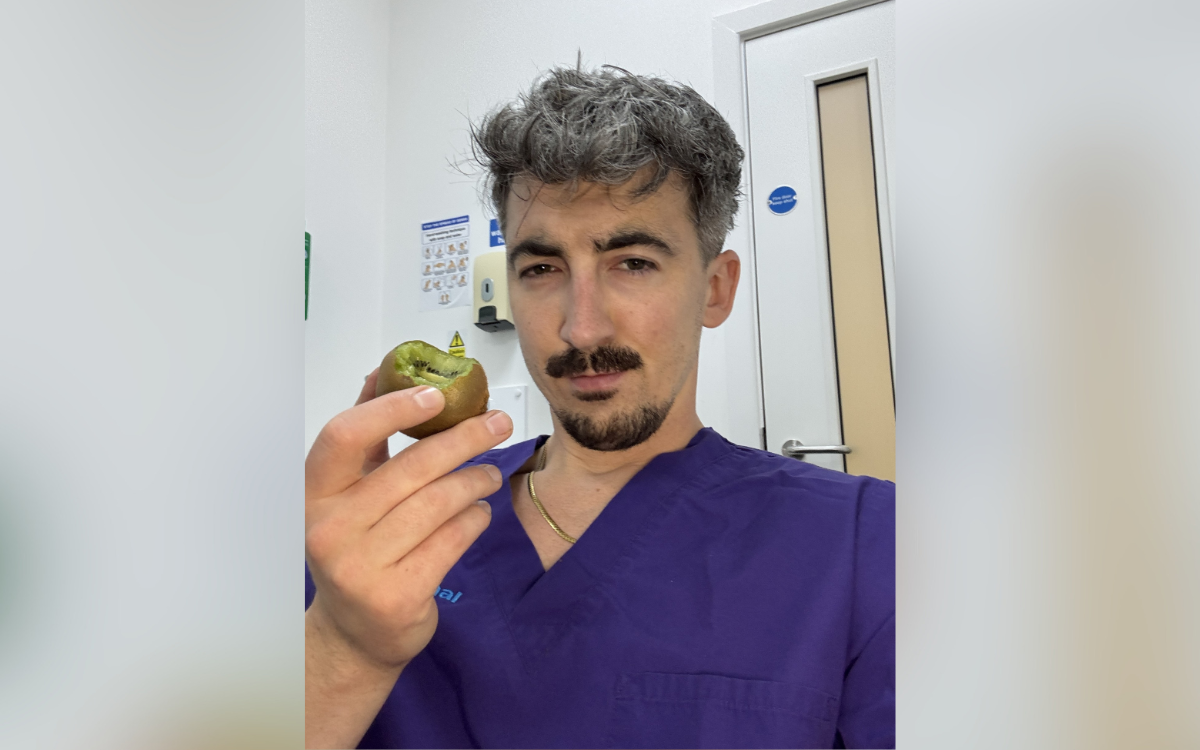
A gut health scientist has shared the five foods he avoids eating, including one healthy option some may be surprised to see on the list
Jordan Haworth is a gastrointestinal physiologist at the Functional Gut Clinic in the U.K. For nearly a decade, he has specialized in helping people get to the root of their digestive issues
“When I first started, I didn’t realize gut health was a thing,” Haworth told Newsweek. “Now we know just how important gut health is to our overall health. It influences our mood, metabolism, skin, and immunity.”
Although interest in gut health has surged in recent years, awareness remains relatively low. A 2024 survey commissioned by Danone North America found that 41 percent of Americans had never heard of the gut microbiome, while 50 percent did not realize it can affect gut health
The gut microbiome is the vast community of trillions of bacteria and other microbes that live in the digestive system. These microbes help digest food, produce beneficial compounds, support the immune system, and protect against harmful pathogens
Haworth believes gut health is often overcomplicated
“The term has been hijacked by supermarkets and supplement companies,” he said. “The good news is, gut health doesn’t need an expensive probiotic pill or green powder.”
Instead, he recommends focusing on the “foundations” of gut health, which he divides into the “three Fs”:
- Fiber: Beans, oats, apples, pears, whole grains, chia seeds, and psyllium.
- Phenols (polyphenols): Compounds found in colorful and bitter foods such as blueberries, red cabbage, coffee, dark chocolate, and olive oil.
- Fermented foods: Yogurt, kefir, kimchi, and sauerkraut.
He also recommends prioritizing sleep, managing stress, and getting at least 150 minutes of exercise each week
According to Haworth, avoiding food poisoning is an often-overlooked part of protecting gut health
“Food poisoning is the single biggest wrecker of gut health,” he said. “This is because the bugs that cause foodborne illness can have long-lasting effects on the gut.”
He points to research suggesting that around one in five people develop post-infectious IBS following a Campylobacter infection
“This is called post-infectious IBS,” Haworth said. “We think it’s because the different bacteria that cause food poisoning all share one thing in common: they produce a toxin called CdtB. Research shows this toxin can damage the gut, leading to long-term inflammation and increased sensitivity, meaning you may become intolerant to foods you previously handled just fine.”
While proper food storage and cooking are important, Haworth acknowledges that many cases of food poisoning occur outside the home
“For that reason, I tend to avoid common culprits where possible, like buffets and kebabs,” he said
The first food Haworth avoids is raw oysters
“Oysters are filter feeders,” he said. “That means they pick up everything that’s in the surrounding water, including bacteria and other pathogens.”
While he has tried raw oysters before, he would only eat them again if they had been cooked or undergone depuration, a process that uses UV-treated water to reduce potentially harmful bacteria
Next are rare beef burgers
“I think it mostly happens at restaurants where they ask how you like the burger cooked,” Haworth said. “We instinctively think it’s a steak, so we’re inclined to choose it on the rarer side.”
Unlike steak, burgers are made from minced beef, which means any bacteria on the surface of the meat can become distributed throughout the patty during processing
Third on Haworth’s list is sushi
“Sushi is usually made with sushi-grade fish,” he said. “This is where the fish is deep-frozen to kill parasites. The problem is, this doesn’t necessarily eliminate all bacterial risks. Once sushi is prepared, it needs to be eaten quickly.”
For that reason, he advises caution when buying heavily discounted sushi that has been sitting on shelves for extended periods
Sprouts may have a health-food reputation, but Haworth sees them differently
Although low in calories and rich in fiber, vitamins, minerals, and compounds such as sulforaphane, he believes they carry an elevated food safety risk
“Firstly, how they’re grown: warm and wet, which are perfect conditions for bacterial growth,” he said. “They’re also grown close to the soil, where bacteria live. The second reason is that they’re usually eaten raw.”
The final item on Haworth’s list may be the most surprising: pre-packaged salads
He says they carry increased risk because of the numerous opportunities for contamination during harvesting, processing, packaging, and transportation
The CDC has identified leafy greens and other raw produce as foods that are frequently implicated in food poisoning outbreaks because they are often eaten without cooking
“You only have to look at the recent Cyclospora outbreak in the U.S., which was linked to iceberg lettuce,” Haworth said. “Those mixed salad bags are something to be cautious of because you have different leafy greens coming from different for cross-contamination.”
His advice is straightforward
“Stay away from these pre-prepared bags,” Haworth said. “If I want to eat spinach, I’ll buy spinach by itself and wash it thoroughly.”
…
Contact Newsweek editors on this story: Rebecca Flood and Emma Lee-Sang
