


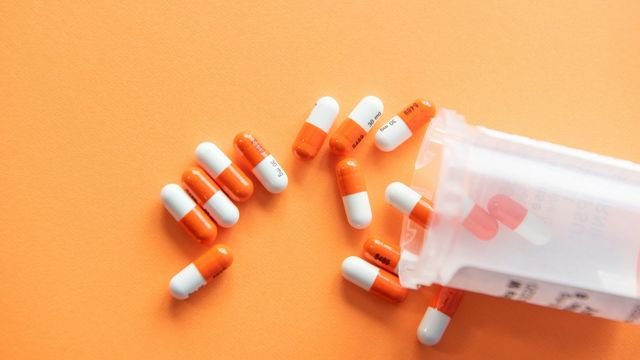
Can Gut Bacteria Help Treat Anorexia? A New Trial Aims To Find Out
Researchers are testing FMT capsules in anorexia to determine whether gut microbiome modification improves outcomes
Credit: Christina Victoria Craft / Unsplash.
Listen with
Speechify
0:00
Register or log In for free to listen to this article
A new clinical trial is recruiting people diagnosed with anorexia nervosa as researchers hope to discover if fecal microbiota transplant (FMT) capsules could help better manage this eating disorder.Led by researchers at London Health Sciences Centre Research Institute (LHSCRI), Lawson Research Institute (Lawson) of St. Joseph’s Health Care London, and Western University, the novel study will investigate whether these capsules can restore healthy gut bacteria (the microbiome), improve nutrition, and modify how people make food choices.
Anorexia nervosa is a severe and sometimes life-threatening condition that leads a person to perceive themselves as overweight and that they must restrict food consumption and/or exercise continuously to reduce their weight. Researchers have noticed that patients with anorexia nervosa also have a disturbance in their gut microbiome which could be linked to how they think about food and their body.
“There appears to be a direct link between the gut microbiome and how the brain functions,” says study co-lead Dr. Elizabeth Osuch, researcher at LHSCRI, Psychiatrist at London Health Sciences Centre (LHSC) and Professor at Western University. “This connection is thought to occur through chemical processes that convey information from the gut to the brain. Since we take the FMT capsules from healthy donors, we think we can enhance the microbiome of people with anorexia nervosa, which in turn could also signal the brain to develop a healthier emotional process, improve nutrition and positively impact self-perception.”The research would not be possible without the pioneering work of the Lawson FMT team, who are collaborators on the study process and who have customized the capsules specifically for this study. The Lawson team – under the leadership of Scientist Dr. Michael Silverman, Medical Director of the Infectious Diseases Program at St. Joseph’s, and Seema Nair Parvathy, Scientific Director of the FMT program at Lawson – screens stool donors, ensuring only healthy stool without harmful bacteria or other issues is used, and processes samples into tasteless, odorless pills.“Eating disorders can be stubbornly difficult to treat, even with a combination of psychological therapy, nutritional counselling and medical monitoring,” says microbiologist Jeremy Burton, Interim Vice-President Research of St Joseph’s and Scientific Director of Lawson and co-leader of the study with Dr. Osuch. “As unconventional as the FMT approach may seem, it could give hope to struggling patients and their families – while also supporting evidence that mental health and physical health are often linked through the gut microbiome.”
Participants will ingest capsules and complete questionnaires as well as provide stool samples before and several times after the intervention. They will be followed carefully to examine the effects of the procedure.Both Lawson and LHSCRI are leaders in FMT research and have conducted world-first studies which have also shown promise in the field of cancer. It also is an approved treatment for patients with Clostridioides difficile (C. diff), which is a condition where bacterium produces toxins and infects the colon causing inflammation.
This article has been republished from materials linked above. Note: material may have been edited for length and content. For further information, please contact the cited source.
Add Technology Networks as a preferred Google source to see more of our trusted coverage.
