


Gum Disease May Accelerate Bone Loss Through the Gut Microbiome
Chronic gum disease may accelerate bone loss by altering the gut microbiome and increasing systemic inflammation
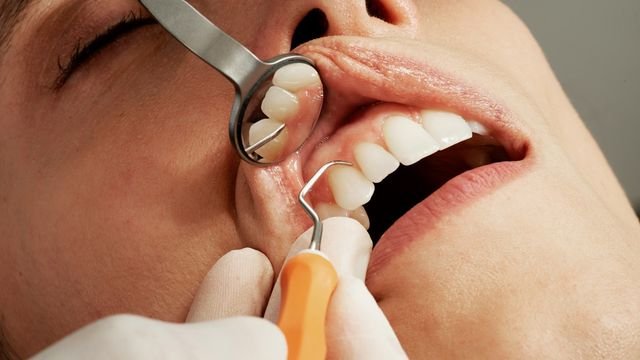
Credit: Caroline LM / Unsplash.
Listen with
Speechify
0:00
Register or log In for free to listen to this article
In a collaborative study between Griffith University and Nanjing University, researchers identified a potential biological mechanism linking periodontitis and osteoporosis
While previous studies have identified a link between the two conditions, the mechanism has remained unclear
“This study moves beyond the previously observed association between periodontitis and osteoporosis and proposes a biological mechanism linking the two diseases through the gut microbiota, referred to as an oral–gut–bone axis,” said Prof. Yin Xiao, distinguished professor of dentistry, oral health, and medicine at Griffith University and author of the study
Conducted in a mouse model of postmenopausal osteoporosis, the study found that periodontitis not only increased bone loss around the teeth but also worsened bone deterioration in the femur. Animals with both osteoporosis and periodontitis showed greater bone loss, increased osteoclast activity, and higher levels of inflammatory markers than those with osteoporosis alone
The researchers also investigated the impact of changes in the gut microbiome on these effects
Using fecal microbiota transplantation, gut bacteria from mice with both osteoporosis and periodontitis were transferred into osteoporotic mice whose native gut microbiota had been depleted. Recipients developed greater systemic inflammation, increased osteoclast activity, impaired gut barrier function, and more severe femoral bone loss compared with mice that received microbiota from healthy controls.
“The study suggests that periodontitis can worsen osteoporosis by disrupting gut barrier integrity, allowing inflammatory bacterial products to enter the bloodstream, triggering systemic inflammation, and promoting osteoclast-driven bone resorption along an oral–gut–bone axis,” Xiao explained
Elevated levels of lipopolysaccharides (LPS), along with inflammatory cytokines including IL-1β and TNF-α, were detected in animals with periodontitis. According to Xiao, IL-1β, TNF-α, and LPS can “increase osteoclast differentiation and activity, enhance RANKL-dependent osteoclastogenesis, and increase bone resorption,” potentially accelerating bone loss in individuals with both conditions
Osteoclasts
Osteoclasts are the cells responsible for breaking down bone. An increase in their activity can cause an imbalance in bone remodeling, potentially accelerating bone loss
In the study, microbiota from mice that had received periodontal treatment partially reduced inflammation and skeletal deterioration when transplanted into recipient mice. This provides evidence that the gut microbiome is a promising therapeutic target to reduce bone loss associated with periodontitis, although Xiao cautioned that the findings “do not yet prove that microbiome-based treatments will reduce bone loss in humans with periodontitis.”
Xiao believes the most important next step in determining whether better gum disease care could improve bone health outcomes will be testing whether treating periodontitis can improve skeletal outcomes in people at risk of osteoporosis
“The most convincing test would be to show that aggressive periodontal management in osteoporotic patients not only improves oral health but also slows systemic bone loss and reduces fracture risk,” he said
If future clinical studies confirm these findings, periodontal care could become an important consideration in osteoporosis management. For now, the research highlights the importance of maintaining healthy gums throughout life
“For most people, the best strategy is to view periodontal health as a lifelong part of overall health, not just dental health,” Xiao said. “Periodontal inflammation may affect more than the mouth, potentially influencing systemic inflammation and bone health through the gut–bone axis.”
Reference: Nie H, Wang N, Mao H, et al. Periodontitis aggravates bone loss through gut microbiota alterations in ovariectomized mice. npj Biofilms Microbiomes. 2026. doi: 10.1038/s41522-026-01084-7
About the interviewee:
Prof. Yin Xiao is a distinguished professor of dentistry, oral health, and medicine at Griffith University, an adjunct professor of medical engineering at the Queensland University of Technology, and an honorary professor at the University of Queensland. He was a dental specialist (BDSc 1986 and MDSc 1991 from Wuhan University) and started his academic career in 2000 (PhD from the University of Queensland). He is the founder and director of the Australia-China Centre for Tissue Engineering and Regenerative Medicine (ACCTERM), established in 2013, and the Joint Research Centre of Functional Biomaterials for Tissue and Organ Replacement. His work predominantly focuses on bone, biomaterials, stem cells, dentistry, and tissue engineering.
Add Technology Networks as a preferred Google source to see more of our trusted coverage.
