


When people hear the word “recovery” in fitness, they often picture professional athletes
Ice baths
Article continues below this ad
Massage
Special equipment
Carefully planned rest days
But recovery is not something reserved for people competing at the highest levels of sport
Article continues below this ad
If you exercise, work, raise a family, deal with stress and try to function through a busy life, recovery matters to you too
You cannot continually ask your body to produce without giving it opportunities to rebuild
Exercise Is Stress
Exercise is healthy, but it is still a form of physical stress
Article continues below this ad
Training challenges muscles, connective tissue, the cardiovascular system and the nervous system
The body responds by adapting
But those adaptations do not happen simply because you trained
They happen when the body has adequate re
Article continues below this ad
That includes food
Sleep
Hydration
Article continues below this ad
The workout provides the stimulus
Recovery helps you adapt to it
More Is Not Always Better
Fitness culture sometimes celebrates exhaustion
Article continues below this ad
If a workout leaves you destroyed, it must have been effective
If you train seven days per week, you must be more dedicated than someone who trains four
That logic misses the purpose of exercise
The goal is not accumulating as much fatigue as possible
Article continues below this ad
The goal is creating an appropriate challenge that your body can recover from and adapt to
More training can produce better results up to a point
Past that point, more may simply become more fatigue
Sleep Is a Performance Tool
People will spend money on supplements while routinely sleeping five hours per night
Article continues below this ad
That is backward
Sleep supports countless processes involved in physical and mental functioning
It affects energy, appetite, training performance and recovery
You do not need a perfect sleep routine every night
Article continues below this ad
Life does not always allow it
But chronically treating sleep as optional makes almost every other health goal harder
Psychological Recovery Matters Too
Recovery is not only muscular
Article continues below this ad
Mental stress matters
Work stress matters
Relationship stress matters
Financial stress matters
Article continues below this ad
Your body does not experience those things in complete isolation from your training
Sometimes the reason a workout feels unusually difficult has less to do with the program and more to do with everything else you are carrying into the gym
A good fitness plan accounts for the person, not simply the exercises
A Call to Action
Take an honest look at your recovery
Article continues below this ad
Are you sleeping enough?
Are you eating enough quality food to support your activity?
Do you have easier training days?
Do you ever allow yourself to rest without feeling guilty?
Article continues below this ad
If the answer is no, doing more may not be the solution
Try recovering better
Train with purpose
Eat to support your goals
Article continues below this ad
Prioritize sleep when possible
Manage stress
Allow your body time to respond to the work you are asking it to perform
Rest is not the opposite of discipline
Article continues below this ad
Used appropriately, it is part of discipline
You do not have to be a professional athlete to need recovery
You just have to be human
Article continues below this ad
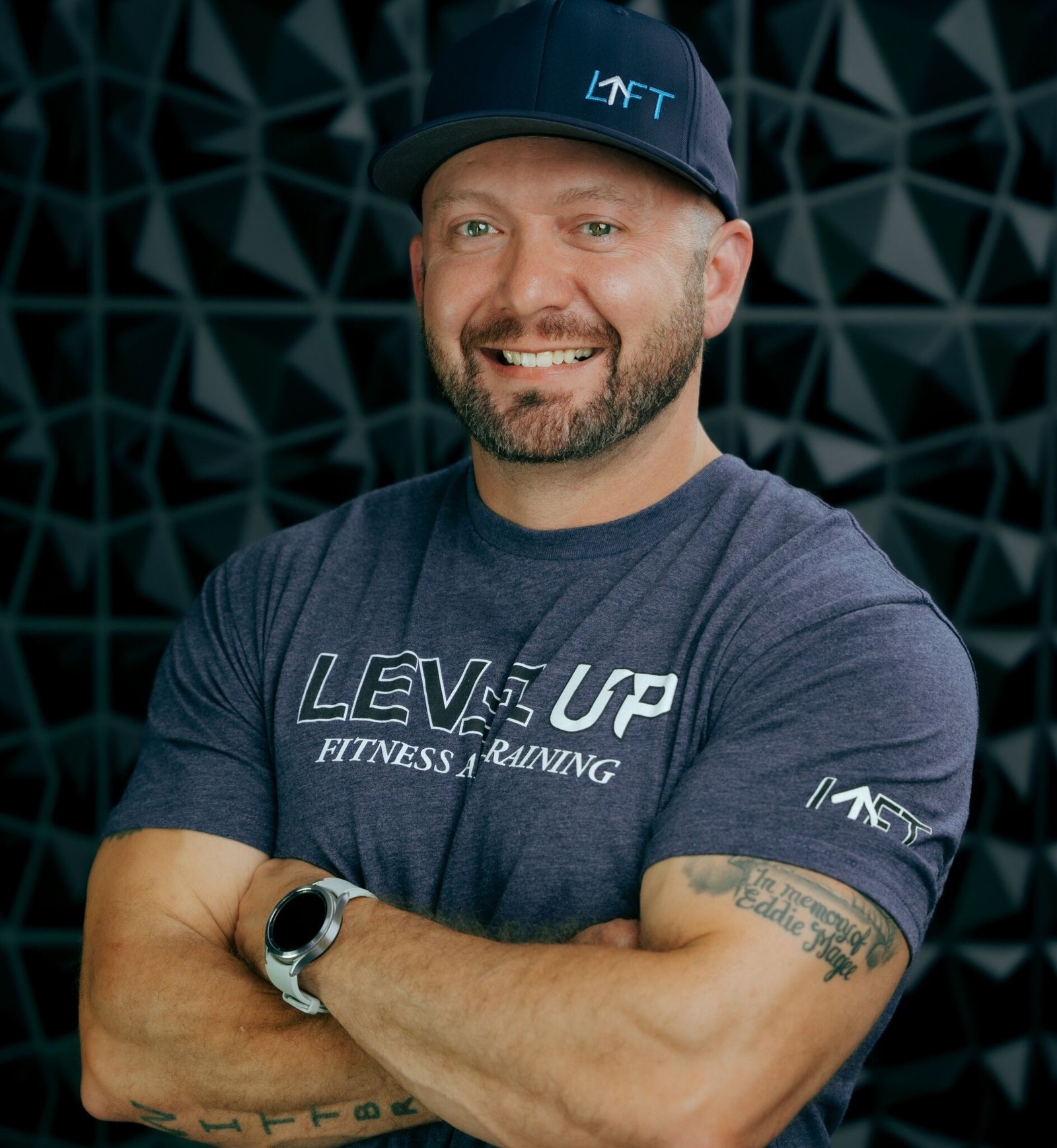
Adam Wittbrodt is the owner of Level Up Fitness and Training and host of the Level Up Life: Muscle and Mindset Mastery podcast. He writes about fitness, recovery, and personal growth. He can be contacted at Getfit@levelupfitnessandtraining.com
