


skip to content
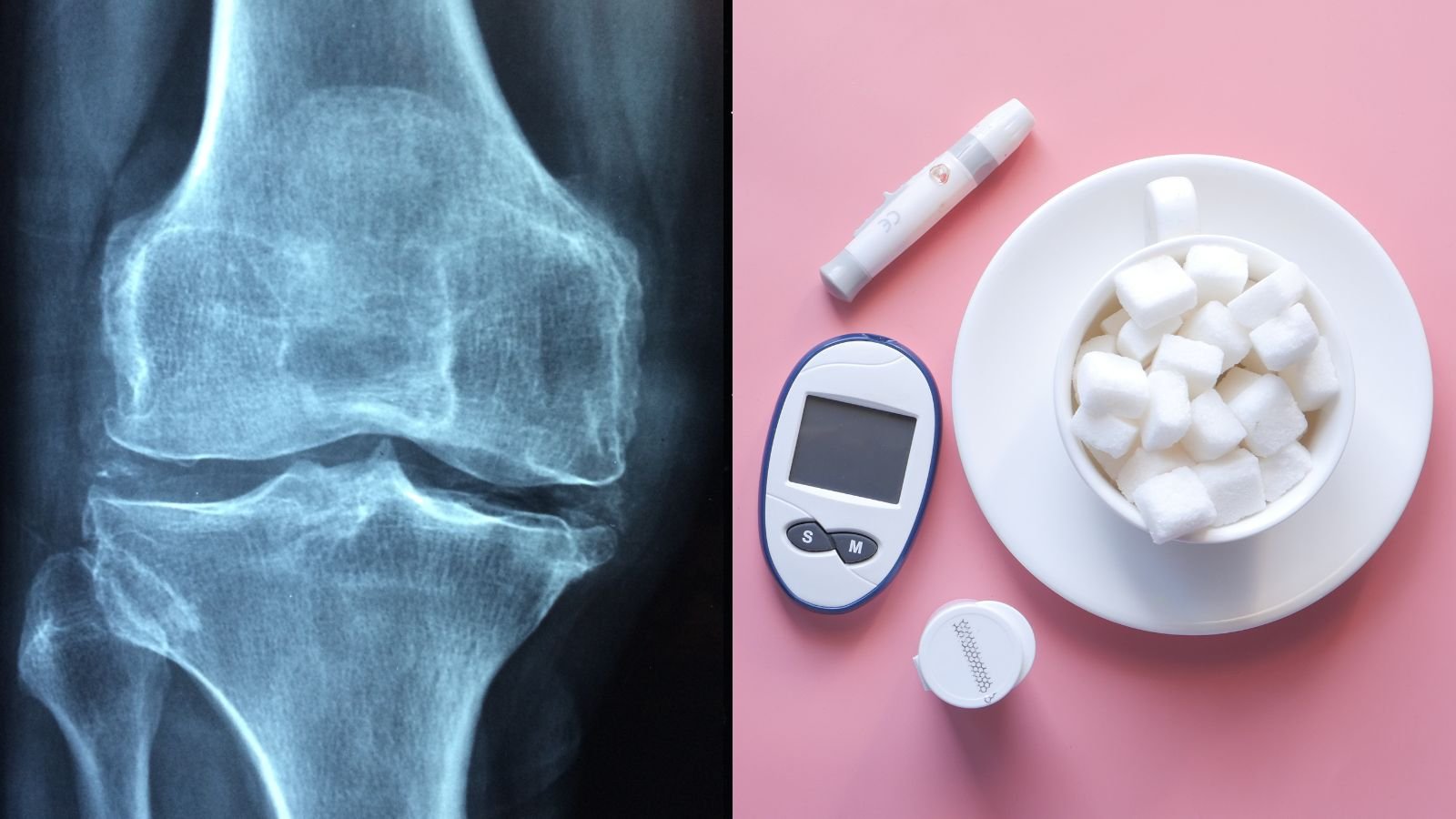
Bone is metabolically active tissue | Source: Canva
We usually think of bones as the rigid framework that supports the body, protects organs, and stores minerals. Blood sugar regulation, meanwhile, is more commonly associated with the pancreas, liver, muscles and hormones such as insulin. But could the skeleton also have a role in how the body handles glucose?
Bone is metabolically active tissue and constantly undergoes processes that build, break down and renew it. This has prompted scientists to investigate whether signals involved in bone metabolism may communicate with other parts of the body, including pathways involved in glucose regulation. The relationship appears to be more complex than simply viewing bones as structural tissue
DISCLAIMER:This article is based on information from the public domain and/or the experts we spoke to. Always consult your health practitioner before starting any routine
This connection could have implications for how we understand metabolic health, particularly in people with changes in bone health or blood sugar. However, the existence of a biological link does not necessarily mean that bone health directly determines a person’s blood glucose levels. An expert can help explain what is actually known, how strong the evidence is and what remains uncertain
Can bones influence blood sugar regulation?
“Yes,” says Dr Raju Vaishya, senior consultant orthopaedic and joint replacement surgeon at Indraprastha Apollo Hospitals, New Delhi, adding, “Bones are not just structural tissue; they also act as an endocrine organ. Bone-forming osteoblasts produce osteocalcin, a protein that, in its undercarboxylated form, has been proposed to influence pancreatic beta-cell function, insulin secretion and insulin sensitivity.”
Dr Vaishya states, “Experimental studies suggest osteocalcin can increase insulin production and improve glucose uptake, while insulin signalling in osteoblasts may, in turn, affect osteocalcin activation—creating a potential bone–pancreas feedback loop. Bone resorption may also help release signals that influence energy metabolism. However, the human evidence is less definitive than the animal and cellular research, and osteocalcin assays and the clinically relevant form of the hormone remain areas of uncertainty. Other pathways may connect the systems indirectly, including insulin, IGF-1, adipokines, inflammatory signals and mechanical loading. So, the idea that bone metabolism can influence glucose regulation is biologically plausible, but it should not yet be interpreted as proof that changing bone metabolism will directly lower blood glucose in people.”
What does research show about bone health and insulin sensitivity?
Research increasingly shows a two-way association between metabolic dysfunction and skeletal health, Dr Vaishya says, but the relationship is complex. People with type 2 diabetes have a higher risk of fragility fractures even when their bone mineral density is normal or relatively high. Insulin resistance, chronic hyperglycaemia, advanced glycation end-products, inflammation and changes in bone turnover may impair bone quality and microarchitecture.
Conversely, the expert shares that bone-derived signals such as osteocalcin may influence glucose metabolism, although the strength of this effect in humans remains uncertain. “Prediabetes and insulin resistance have also been associated with altered bone measures in observational studies, but these findings do not establish that poor bone health causes diabetes. Much of the overlap could reflect shared risk factors: ageing, excess visceral fat, physical inactivity, smoking, poor diet and some medications can affect both systems. The most defensible conclusion is therefore that bone and glucose metabolism communicate biologically, while common metabolic and lifestyle factors probably explain a substantial part of their clinical association,” mentions Dr Vaishya.
How can people support bone and metabolic health?
Quick Quiz
See if you can answer this:
Which approach best supports both bone and metabolic health?
A. Focus mainly on calcium supplements and avoid resistance training
B. Combine resistance and weight-bearing exercise with adequate nutrition, healthy weight management and good blood sugar control
C. Consume as much protein as possible to strengthen bones and muscles
D. Focus only on blood sugar control because bone health is unrelated to diabetes
Reveal the answer
✅ Correct answer: B
Dr Vaishya reveals that many of the same habits support both systems. Resistance and weight-bearing exercise help preserve muscle, improve insulin sensitivity and provide mechanical loading that supports bone. Adequate protein, sufficient dietary calcium and vitamin D, a healthy body weight and good glucose control are also important. People with diabetes should avoid smoking, limit excess alcohol and address fall risk. Protein intake should be individualised, particularly in people with kidney disease.
Diabetes can increase fracture risk even when bone density is not low, so fracture history and other osteoporosis risk factors should also be considered. Although research suggests communication between bone and glucose metabolism, areas such as osteocalcin are still being studied and should not yet be presented as established treatments for blood sugar control.
DISCLAIMER:This article is based on information from the public domain and/or the experts we spoke to. Always consult your health practitioner before starting any routine
© IE Online Media Services Pvt Ltd
- By-Elections 2026 Live Updates: TN’s Madurantakam tops bypoll turnout at 83.86%, Bengal’s Nandigram records 79.39% until 5 PM25 minutes ago
- IND vs WI 1st T20I Live Cricket Score: Shreyas Iyer’s century helps IND beat WI by 8-wickets in Lucknow28 minutes ago
- India News Live Updates, 6 October 2026 | Delhi Police release Rahul, Priyanka Gandhi from detention hours after Opposition’s anti-CEC protest36 minutes ago
- World News Today Live Updates: UK Police arrest British national over security incident at US-run air base1 hour ago
- Supreme Court seeks Election Commission response to plea against chief Gyanesh Kumar after Express investigation7 hours ago
