


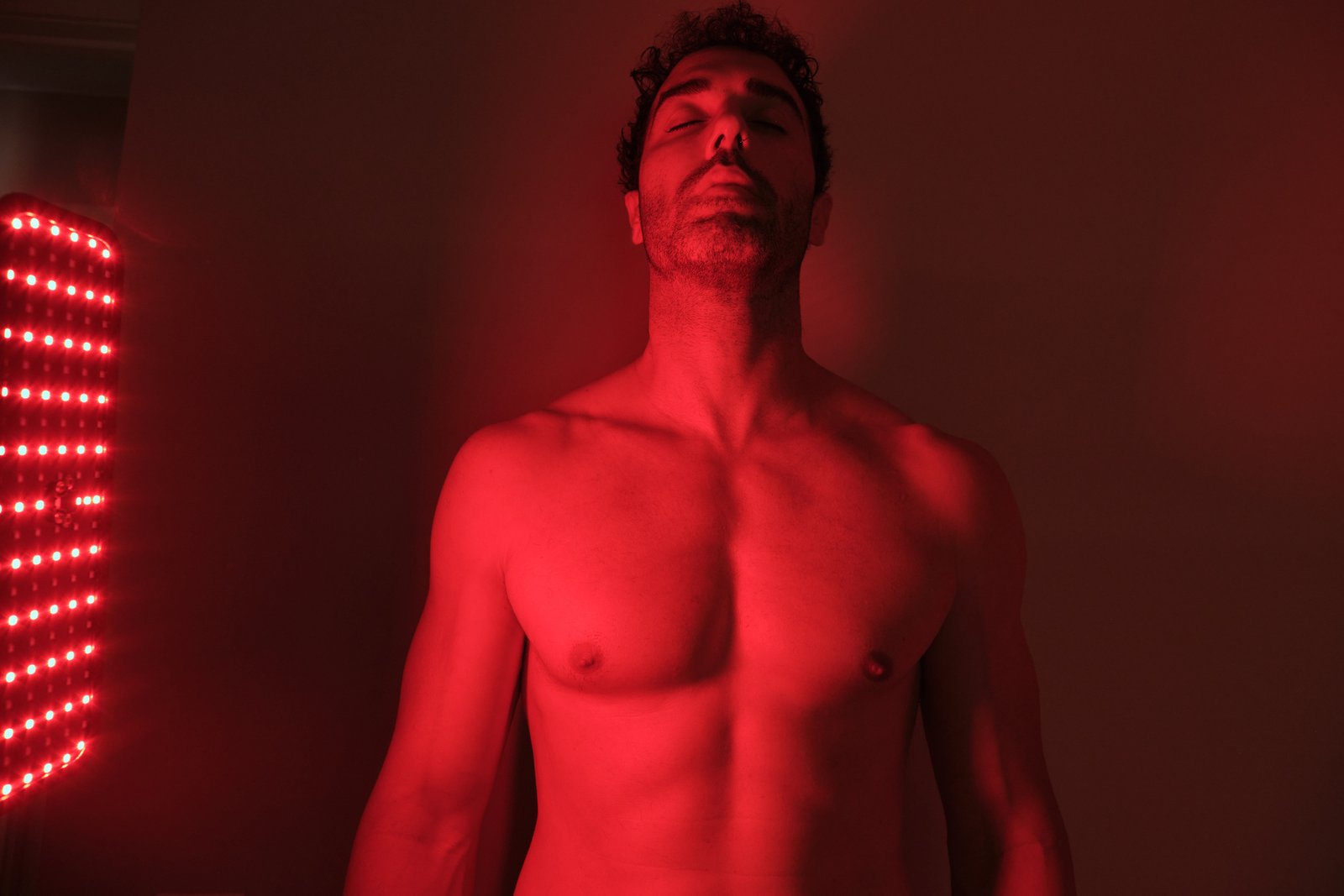
Elite athletes have used red light therapy for years, but the technology is rapidly becoming mainstream. Here’s what the science says about muscle recovery, inflammation and whether these glowing panels deserve a place in your post-workout routine
PICS: Getty Images/FLOWLIFE
For decades, recovery has been the missing piece of the fitness puzzle. We obsess over training plans, protein intake and supplements, yet often overlook what happens after the workout has finished
Now, a growing number of athletes, physiotherapists and wellness enthusiasts are turning to red light therapy in the hope of speeding up recovery, reducing soreness and getting back to training sooner
The technology has exploded in popularity over the past two years, with everyone from professional sports teams to biohackers investing in LED panels that bathe the body in specific wavelengths of red and near-infrared light. But does it actually work – or is it simply another expensive wellness trend?
Recovery isn’t simply about feeling less sore after leg day
Every training session creates tiny amounts of muscle damage that the body repairs, allowing muscles to become stronger and more resilient. The faster and more efficiently that repair takes place, the sooner you can train again at a high level
According to Lucas Wasniewski, founder and CEO of Swedish wellness brand FLOWLIFE, recovery is where red light therapy has the greatest potential for the average fitness enthusiast
“Recovery is a stronger angle than pain relief,” he says. “Red light therapy can help reduce inflammation, but recovery is the broader benefit and the one that resonates with most people.”
The proposed mechanism behind red light therapy is surprisingly simple
Specific wavelengths of red and near-infrared light are thought to penetrate the skin and be absorbed by structures inside our cells called mitochondria – the tiny power stations responsible for producing ATP (adenosine triphosphate), the molecule that provides energy for virtually every cellular process
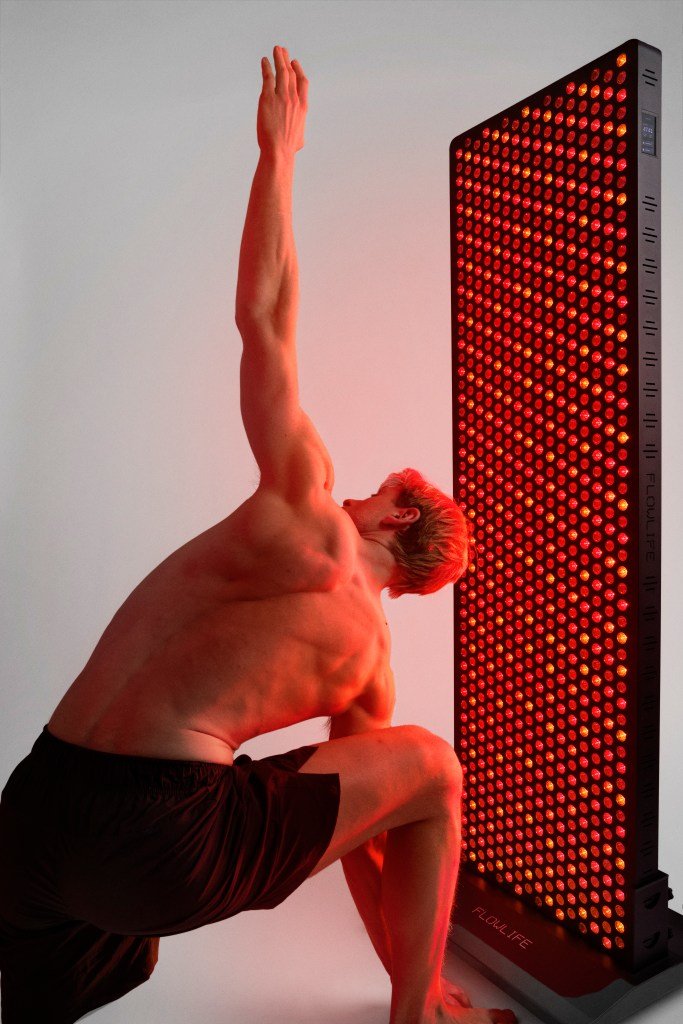
More ATP means cells may have more energy available for repair and regeneration following exercise
Researchers believe this could help support muscle recovery by improving cellular repair, encouraging blood circulation and reducing some of the inflammation associated with intense exercise
While scientists continue to investigate exactly how significant these effects are in real-world settings, the biological mechanism is considered plausible, and the body of research continues to grow
Many people first discover red light therapy because they’re looking for pain relief
While some users report improvements in joint discomfort or stiffness, Wasniewski believes focusing solely on pain undersells what the technology can offer
“If you’re treating joint pain or inflammation, many people notice improvements after only a few sessions because reducing inflammation can relieve pain and swelling relatively quickly,” he says
“But recovery is the bigger picture.”
Rather than masking discomfort, the goal is to support the body’s natural repair processes – so muscles, tendons and joints recover more efficiently between workouts
One question many buyers ask is whether spending more money automatically delivers better outcomes
Interestingly, Wasniewski says that’s not necessarily the case
At FLOWLIFE, he says every panel uses the same quality LED technology, regardless of price. The difference is largely the treatment area
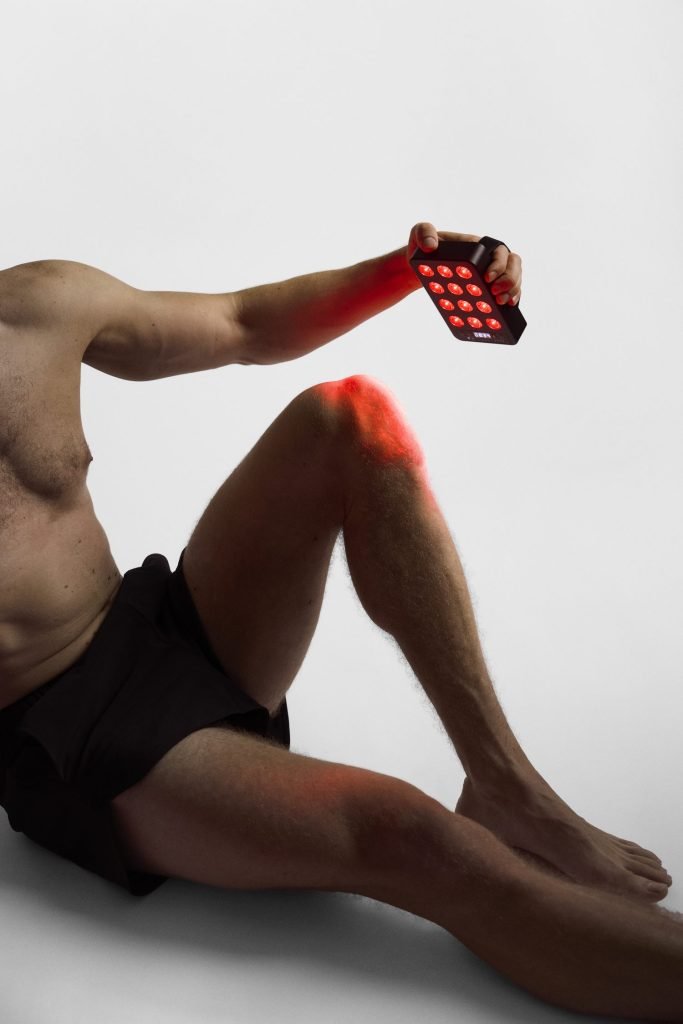
A handheld device is designed for targeted use while travelling or treating a specific joint or muscle, whereas larger panels allow you to expose much more of the body in a single session
The more advanced systems also incorporate a wider range of wavelengths, designed to more closely mimic the spectrum of natural sunlight while still delivering sufficient intensity
One of the more intriguing ideas surrounding red light therapy isn’t sport at all
Modern life has dramatically reduced our exposure to natural light. We spend more time indoors under artificial LED lighting, commute inside cars and trains, and often begin and end the day without seeing sunrise or sunset
“Historically, humans were exposed to red and infrared light every morning and evening,” says Wasniewski
“We’ve removed much of that from modern life.”
Some researchers believe restoring part of that light exposure could have benefits beyond recovery, potentially supporting circadian rhythms, energy levels and overall wellbeing, although these areas require further high-quality research
If your recovery strategy currently consists of little more than collapsing on the sofa after training, red light therapy may be worth exploring – particularly if you train frequently or struggle with lingering muscle soreness
However, it’s important to keep expectations realistic
Red light therapy isn’t a replacement for sleep, sensible programming, good nutrition or adequate protein intake. Those remain the foundations of recovery
Think of it instead as a potential addition to an already solid recovery routine
The evidence is encouraging rather than conclusive, but as more high-quality studies emerge, red light therapy is steadily moving from the world of elite sport into everyday fitness
For anyone looking to recover better – not just train harder – that may be the brightest prospect of all
