



The Transformative Power of Music in Mental Well-Being
- August 01, 2023
- Patients and Families, Healthy living for mental well-being, Treatment
Music has always held a special place in our lives, forming an integral part of human culture for centuries. Whether we passively listen to our favorite songs or actively engage in music-making by singing or playing instruments, music can have a profound influence on our socio-emotional development and overall well-being
Recent research suggests that music engagement not only shapes our personal and cultural identities but also plays a role in mood regulation.1 A 2022 review and meta-analysis of music therapy found an overall beneficial effect on stress-related outcomes. Moreover, music can be used to help in addressing serious mental health and substance use disorders.2 In addition to its healing potential, music can magnify the message of diversity and inclusion by introducing people to new cultures and amplifying the voice of marginalized communities, thereby enhancing our understanding and appreciation for diverse communities.
Healing Trauma and Building Resilience
Many historically excluded groups, such as racial/ethnic and sexual minorities and people with disabilities, face systemic injustices and traumatic experiences that can deeply impact their mental health. Research supports the idea that discrimination, a type of trauma, increases risk for mental health issues such as anxiety and depression.3
Music therapy has shown promise in providing a safe and supportive environment for healing trauma and building resilience while decreasing anxiety levels and improving the functioning of depressed individuals.4 Music therapy is an evidence-based therapeutic intervention using music to accomplish health and education goals, such as improving mental wellness, reducing stress and alleviating pain. Music therapy is offered in settings such as schools and hospitals.1 Research supports that engaging in music-making activities, such as drumming circles, songwriting, or group singing, can facilitate emotional release, promote self-reflection, and create a sense of community.5
Empowerment, Advocacy and Social Change
Music has a rich history of being used as a tool for social advocacy and change. Artists from marginalized communities often use music to shed light on social issues (.pdf), challenge injustices, and inspire collective action. By addressing topics such as racial inequality, gender discrimination, and LGBTQ+ rights, music becomes a powerful medium for advocating for social justice and promoting inclusivity. Through music, individuals can express their unique experiences, struggles, and triumphs, forging connections with others who share similar backgrounds. Research has shown that exposure to diverse musical genres and artists can broaden perspectives, challenge stereotypes, and foster empathy among listeners especially when dancing together.7
Genres such as hip-hop, reggae, jazz, blues, rhythm & blues and folk have historically served as platforms for marginalized voices, enabling them to reclaim their narratives and challenge societal norms. The impact of socially conscious music has been observed in movements such as civil rights, feminism, and LGBTQ+ rights, where songs have played a pivotal role in mobilizing communities and effecting change. Music artists who engage in activism can reach new supporters and help their fans feel more connected to issues and motivated to participate.6
Fostering Social Connection and Support
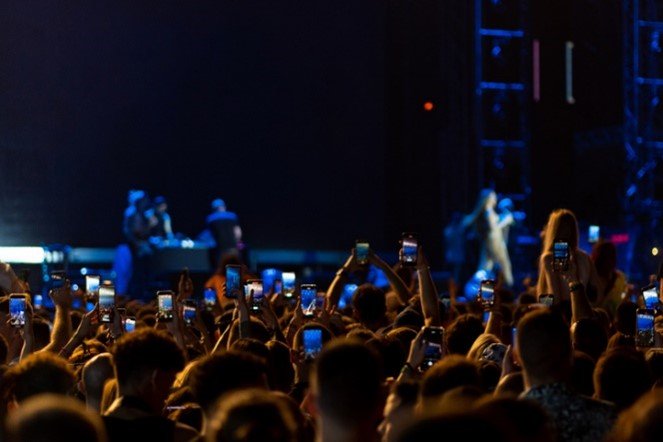
Music can also serve as a catalyst for social connection and support, breaking down barriers and bridging divides. Emerging evidence indicates that music has the potential to enhance prosocial behavior, promote social connectedness, and develop emotional competence.2 Communities can leverage music’s innate ability to connect people and foster a sense of belonging through music programs, choirs, and music education initiatives. These activities can create inclusive spaces where people from diverse backgrounds can come together, collaborate, and build relationships based on shared musical interests. These experiences promote social cohesion, combat loneliness, and provide a support network that can positively impact overall well-being.
Musicians and Normalizing Mental Health
Considering the healing effects of music, it may seem paradoxical that musicians may be at a higher risk of mental health disorders.8 A recent survey of 1,500 independent musicians found that 73% have symptoms of mental illness. This could be due in part to the physical and psychological challenges of the profession. Researchers at the Max Planck Institute for Empirical Aesthetics in Germany found that musically active people have, on average, a higher genetic risk for depression and bipolar disorder.
Commendably, many artists such as Adele, Alanis Morrisette, Ariana Grande, Billie Eilish, Kendrick Lamar, Kid Cudi and Demi Lovato have spoken out about their mental health battles, from postpartum depression to suicidal ideation. Having high-profile artists and celebrities share their lived experiences has opened the conversation about the importance of mental wellness. This can help battle the stigma associated with seeking treatment and support.
Dr. Regina James (APA’s Chief of the Division of Diversity and Health Equity and Deputy Medical Director) notes “Share your story…share your song and let’s help each other normalize the conversation around mental wellness through the influence of music. My go-to artist for relaxation is jazz saxophonist, “Grover Washington Jr” …what’s yours?” Submit to [email protected] to get featured!
More on Music Therapy
- Music Therapy Fact Sheets from the American Music Therapy Association
- Music Therapy Resources for Parents and Caregivers from Music Therapy Works
References
- Gustavson, D.E., et al. Mental health and music engagement: review, framework, and guidelines for future studies. Transl Psychiatry 11, 370 (2021). https://doi.org/10.1038/s41398-021-01483-8
- Golden, T. L., et al. (2021). The use of music in the treatment and management of serious mental illness: A global scoping review of the literature. Frontiers in Psychology, 12. https://doi.org/10.3389/fpsyg.2021.649840
- Schouler-Ocak, M., et al. (2021). Racism and mental health and the role of Mental Health Professionals. European Psychiatry, 64(1). https://doi.org/10.1192/j.eurpsy.2021.2216
- Aalbers, S., et al. (2017). Music therapy for Depression. Cochrane Database of Systematic Reviews, 2017(11). https://doi.org/10.1002/14651858.cd004517.pub3
- Dingle, G. A., et al. (2021). How do music activities affect health and well-being? A scoping review of studies examining Psychosocial Mechanisms. Frontiers in Psychology, 12. https://doi.org/10.3389/fpsyg.2021.713818
- Americans for the Arts. (n.d.). A Working Guide to the Landscape of Arts for Change. Animating Democracy. http://animatingdemocracy.org/sites/default/files/Potts%20Trend%20Paper.pdf
- Stupacher, J., Mikkelsen, J., Vuust, P. (2021). Higher empathy is associated with stronger social bonding when moving together with music. Psychology of Music, 50(5), 1511–1526.https://doi.org/10.1177/03057356211050681
- Wesseldijk, L.W., Ullén, F. & Mosing, M.A. The effects of playing music on mental health outcomes. Sci Rep 9, 12606 (2019). https://doi.org/10.1038/s41598-019-49099-9
