


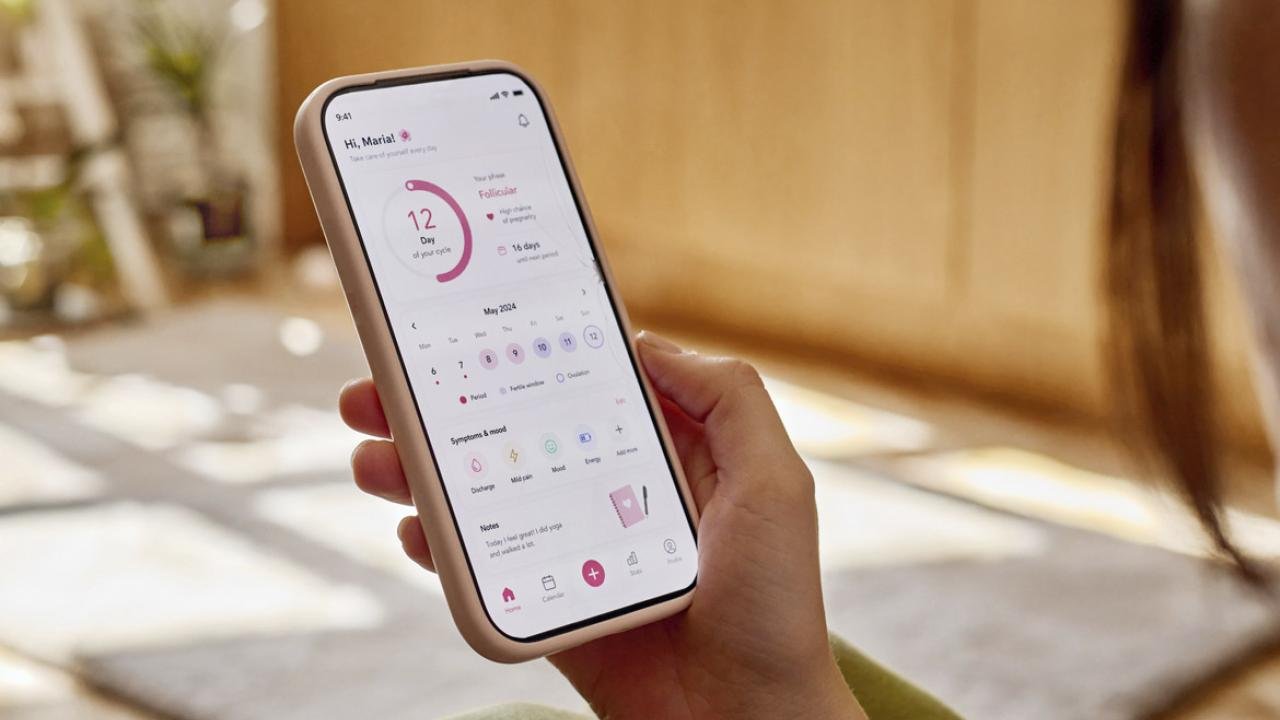
Looking at data from a patient’s wearable device, such as an ECG, is something that cardiologist Steven R. Steinhubl, MD, enjoys doing one on one when his patients bring him the information.
And he really looks forward to the day when medicine develops a way to take better advantage of that wearable data from all patients, not just a one-off as it is today
“Within existing healthcare systems, we have to look at it and say: OK, in specific areas, should we be setting up a system-like approach to be able to capture this data?” said Dr. Steinhubl, an AMA member who practices cardiology in Anchorage, Alaska, and Lafayette, Indiana. He also is the chief medical officer for Eko Health, an augmented intelligence (AI) early disease detection company that aims to advance how health professionals detect and monitor heart and lung disease with digital devices and AI-powered analysis.

Steven R. Steinhubl, MD
To make sharing and using the data more common, a clinic, for example, needs to create a way to collect reliable wearable data from patients and then have a set way to provide a summary of that data in the patient’s health record. Dr. Steinhubl said that physicians need to know that the devices are capturing quality data, noting that there is a difference in accuracy of monitors that meet federal standards compared to ones that do not. And there needs to be financial incentives for physicians and health systems to adopt these systems.
A recent study from the AMA and Medscape offers five recommendations that can help medicine get closer to an environment that Dr. Steinhubl looks forward to practicing in. The study concludes that “the path forward requires a coordinated effort to build credibility through evidence, develop interpretive capability through education and peer learning, reduce implementation friction through workflow and structural support, and activate patient demand.”
The “AMA Multi-Country Study on Consumer Wearable Data in Clinical Practice” study surveyed more than 2,200 physicians in the U.S., the United Kingdom, Canada, Germany, France and Spain showed that doctors are generally interested in wearables and how the data they collect can be used to help managed patient care
From AI implementation to digital health adoption and EHR usability, the AMA is fighting to make technology work for physicians, ensuring that it is an asset to doctors. That includes the AMA Center for Digital Health and AI, which works to ensure physicians help shape how AI is developed, implemented and regulated across the healthcare system, with patient safety and physician-led care remaining at the center of those efforts.
The wearable data study found that there was a “a clear gap between the perceived clinical advantage of health data from wearable devices and the extent to which these data are being integrated into practices.”
- Prioritize review of wearable data from algorithms that carry published clinical validation. Consider vendor-originated and proprietary composite scores as low-confidence adjuncts until accuracy data are available.
- Advocate within your practice or health system for structured wearable data workflows that make data review feasible within routine visit time rather than absorbing it as uncompensated, unstructured effort.
- Proactively discuss false-positive and false-negative results with your patients. Set expectations about what types of alerts will prompt clinical action to mitigate patient anxiety and liability concerns.
- Prioritize clinical utilization of regulatory-cleared outputs over proprietary wellness composites when making or documenting clinical decisions.
- Establish a consistent in-practice approach to recording when and how wearable data inform clinical decisions. Medical-legal liability is the top-ranked workflow concern among U.S. physicians in the survey, and rigorous documentation is the most immediately available risk management tool.
The report also offers five recommendations to policymakers, including developing or clarifying billing code pathways for in-visit review of consumer wearable data, distinct from remote monitoring of prescribed devices and for the creation of regulatory frameworks that build trust and confidence in health data
Learn more with this JAMA Viewpoint essay by AMA CEO John Whyte, MD, MPH, on the Food and Drug Administration’s approach to this topic: “The Need to Avoid a Regulatory Gray Zone in Digital Wellness.”
3 questions to ask now
While there are still many things to be done to have wearable data properly incorporated into care on a regular basis, Dr. Steinhubl said there are some practical things physicians can do now as they work with patients who bring data to them. Here are three things for physicians to consider
Ask how the data was captured. Dr. Steinhubl said “the only thing worse than no data is inaccurate data,” so it’s important for physicians to understand where the data that the patient is sharing is coming from. For example, is the ECG or oxygen saturation from an Apple or Google device which are considered to be more reliable, or was it from a $30 device from Amazon that has a greater chance of being inaccurate?
Consider whether there is a more valid way of verifying the information a patient provided. Is there a test or monitoring device that the physician can use to verify what the patient has captured? For example, if the wearable data has to do with a concern about blood pressure, the patient could wear a 24-hour ambulatory blood pressure cuff to see if it confirms the wearable device readings
Evaluate what concerns there may be for the individual patient. Wearable data is collecting individual patient data in a way that has never been available before. So, for example, a patient may be monitoring their resting heart rate.
Typically, physicians say if that rate is between 60 and 100 there is nothing to worry about it and if a patient had a reading of 80 in the doctor’s office the rate would be in the normal range. But if a patient wearing a device typically has a normal resting heart rate of 64 and they suddenly get a reading of 80, that is something to flag.
“Wearable data—for the first time—allows us to understand you much more individually. What is normal for you? And then when do you deiating from it,” Dr. Steinhubl said
As this field develops, Dr. Steinhubl encouraged physicians to be part of the change by working with digital health technology working groups in their specialty societies, the AMA Center for Digital Health and AI or their health systems to ensure that the technologies and systems work for patients and physicians
“It is really important that the physician voice and patient voice be a very prominent contributor to that transformational change,” he said. “Engineers are always great at creating solutions to solve a problem, but they don’t consider the idea that maybe a patient doesn’t want to do this every day or maybe a provider has no idea of what to do with the data once you get it to them.”

Preparation is key in adopting electronic prior authorization
Nov 23, 2026
|

Who tops list of health insurers? Companies that own largest PBMs
Nov 20, 2026
|

Building a better system of care for physicians and patients
Nov 19, 2026
|

8 things patients should know about peptides
Nov 24, 2026
|
