


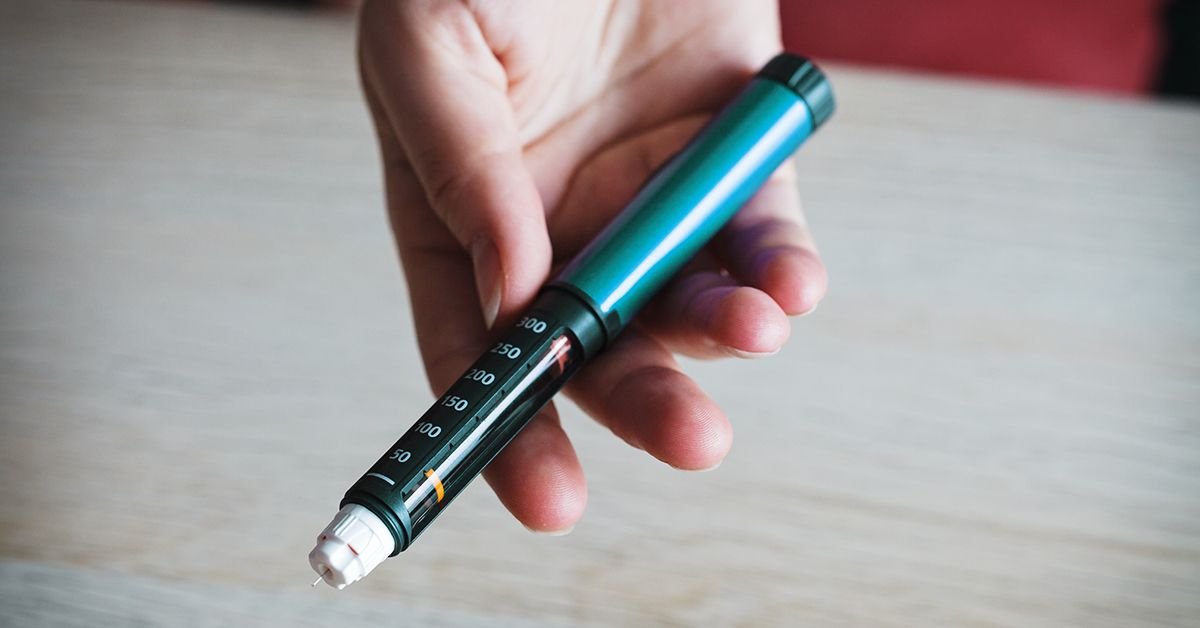
Currently, doctors prescribe GLP-1 medications, such as semaglutide and tirzepatide, to help people lose weight and manage type 2 diabetes. However, there’s evidence that these drugs might also help slow biological aging and protect our organs from wear and tear, helping us enjoy more years of good health as we age
This article will explore how GLP-1 medications might reduce the inflammation that drives aging and how we could use them in the future to improve many aspects of our health
How are biological aging and inflammation related?
Biological aging differs from chronological aging, which relates to the passage of time
Biological aging refers to the health of your cells and organs and how well they function. Two 60-year-olds may be the same chronological age, but depending on their lifestyle choices, genetics, and health factors, their biological aging can be very different
A major driver of aging is chronic (long term) low-grade inflammation. This happens when the immune system is constantly activated, but not enough to cause symptoms, such as pain or fever
This type of continuous inflammation can be caused by dietary and lifestyle factors, such as poor sleep, lack of movement, or stress. Over time, it can damage our cells and organs, leading to various chronic diseases
»Read more:Urolithin A for Longevity and Muscle Strength: Does It Work?
Can GLP-1s affect inflammation and aging?
Evidence is emerging that GLP-1 medications have anti-inflammatory actions that are not simply due to their weight loss effects
In two large clinical trials, called Sustain and Pioneer, researchers found that semaglutide (the active ingredient in Ozempic and Wegovy) significantly lowered C-reactive protein (CRP) levels. CRP is a marker of inflammation that spikes when your body is under stress or fighting a disease
The researchers found that weight loss and better blood sugar levels accounted for only about 20% to 60% of the drop in CRP. This suggests that the drug is doing something else to fight inflammation, unrelated to a person’s weight
To investigate this effect further, researchers conducted the Pioneer 2 trial. They compared people taking semaglutide to people taking a different diabetes drug called empagliflozin (Jardiance)
Both groups lost about the same amount of weight (about 4%), but only those on the GLP-1 medication saw their inflammation levels drop by 30%. The other drug had no effect on inflammation, suggesting that GLP-1s are unique in the way they protect the body
»Learn more:GLP-1 Long-term Side Effects
How might GLP-1s slow down biological aging?
GLP-1 medications might slow down biological aging in the following ways:
Fighting inflammation
GLP-1 medications may reduce inflammation by activating parts of the brain that signal the immune system to stop overreacting to perceived threats
This reduces inflammation in organs such as the heart, liver, and kidneys, preventing fibrosis, which is internal scarring that impairs their function as we get older
GLP-1 medications may also act on immune cells in the gut and directly on joint tissues, like cartilage, to help keep the body’s structures strong and healthy
Slowing cell and tissue aging
GLP-1 medications may slow the deterioration of cell and tissue health throughout the body
In a 2026 study,
researchers gave semaglutide (Ozempic, Wegovy) to some participants and a placebo to others for 32 weeks. They found that semaglutide slowed the pace of cellular aging by 9% and lowered biological age scores on special tests. The participants’ cells were behaving like those of a person several years younger
These effects appear to work independently of weight loss, meaning the drug itself is likely providing these longevity benefits
»Read more:How Much Rapamycin Should I Take for Longevity Results?
Can doctors prescribe a GLP-1 for longevity?
Currently, doctors only prescribe GLP-1 medications to help with type 2 diabetes and obesity
The Food and Drug Administration (FDA) has not approved them for aging support or longevity, and this would be considered an off-labeluse
Although recent research is promising, large, long-term studies are necessary to determine whether prescribing GLP-1 medications is safe and effective for slowing biological aging
Most current research is on people who already have obesity or diabetes. To determine whether GLP-1 medications truly promote longevity, researchers need to examine how they affect biological aging in people with a healthy weight
As experts discover more about the effects of GLP-1 medications, it’s likely that they will be approved for more uses in the future
Takeaway
GLP-1 medications are showing promising effects for helping slow the rate of biological aging. Research suggests that they reduce the inflammation that can damage our cells and organs over time
As scientists discover more about these drugs, they may become a useful tool for extending the number of healthy years we have as we age
