


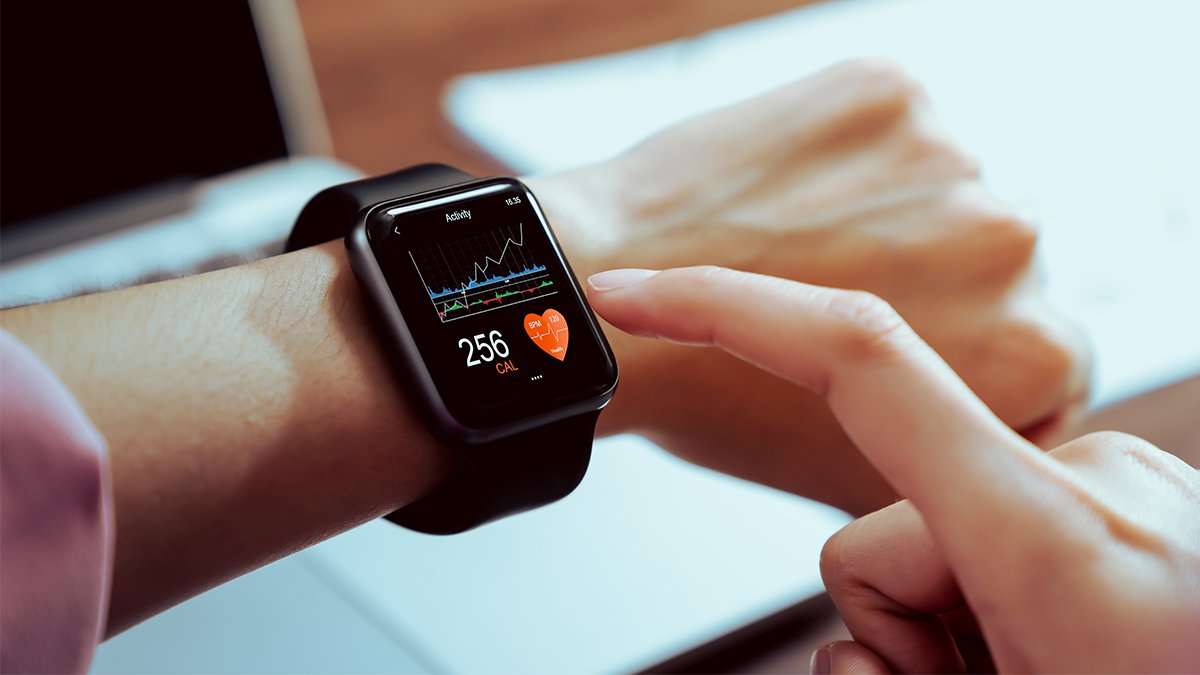
Wearable health tech provides a lot of useful metrics, but when it comes to infectious diseases, these devices could do more. Translating feedback like respiratory and heart rate could lead to preventative action against the spread of illness
If you wake up with a scratchy throat, a runny nose and a bad night of sleep, you face a familiar question: Is it allergies, a cold, the flu, or COVID-19?
That choice matters. Do you go to work? Send your child to school or daycare? Most people make that decision with limited information. We check for a fever, assess how tired we feel, and sometimes take an at-home test. But early infections often look like allergies or ordinary fatigue. By the time symptoms are obvious, a person may already have spread the illness to others
Wearable technology could help close that gap. Smartwatches, rings, and fitness trackers already collect signals that reflect how the body is doing through heart rate, sleep patterns, skin temperature, blood oxygen levels, respiratory rate, and fitness measures. These signals do not diagnose infection on their own, but changes from a person’s normal baseline may provide an early warning that something is off.
For example, if your resting heart rate is higher than usual, your sleep is disrupted, and your temperature is slightly elevated, your body may be responding to stress, inflammation, or infection. That does not mean you have the flu or COVID-19. But it is an early signal to pay closer attention, monitor your symptoms, take a test, and make practical choices like limiting contact with others — particularly those who are vulnerable like the elderly and immunocompromised — until you know more.
This is where today’s technology falls short. We have more personal health data than ever, but little support for turning that data into clear, reliable, and actionable guidance. Most wearable apps are designed for wellness, fitness, or sleep tracking, not for decision making related to infectious disease. They can tell you that your body is under strain, but not whether you are contagious and could spread an infection to others.
At-home tests for flu and COVID-19 are useful, but they are targeted toward specific infections and not always available, affordable, or sensitive enough. A negative test is not always definitive (for example, it may be too early in the infection for it to be detected) and does not always answer the bigger question: “Do I have a respiratory/flu-like infection, and if so, am I currently contagious?”
More research is needed to better define “digital biomarkers” of infection and link them to downstream actions. This research may be facilitated by widespread implementation of common data standards and tools that combine wearable signals with symptoms, exposure history, and diagnostic test results, as well as related research ensuring these tools are accurate, equitable, and useful across communities.
A trusted digital decision tool could bring the key pieces of information together: wearable signals, symptoms, recent exposures, at-home test results, and local public health information. Instead of simply saying, “Your heart rate is elevated,” an app could help answer a practical question: “What should I do today?”
For an individual, that might mean watch and wait, take an at-home test (or a few), avoid visiting an older or immunocompromised relative, or seek medical care if symptoms worsen or risk factors are present. For public health professionals, the same system, using privacy-protected, de-identified, population-level trends, could help detect unusual patterns earlier when combined with wastewater data, laboratory testing, school and work absenteeism, and clinic reports.
Realizing this vision will require collaboration across many sectors, including public health agencies, technology developers, clinicians, laboratorians, researchers, patient communities, and scientific convening organizations. Such organizations and initiatives, like ASM Health’s Diagnostic Innovation Institute, can play an important role in fostering collaboration, advancing common standards, and supporting the evaluation and implementation of innovative diagnostic approaches.
This is the opportunity ahead: moving from passive health tracking to actionable diagnostics. Wearables will not replace clinical tests, clinicians, or public health systems. But if interpreted responsibly, they could become an early warning layer that helps people make more informed daily decisions while also giving communities a faster signal that something may be spreading
