


- English News
- Tech science
- Wearables Track Sleep, Diet, Body Age & More | Health Tech 2026
Your smartwatch can do more than count steps:These wearables now track sleep, diet, body age and more
New Delhi15 days ago
- Copy link
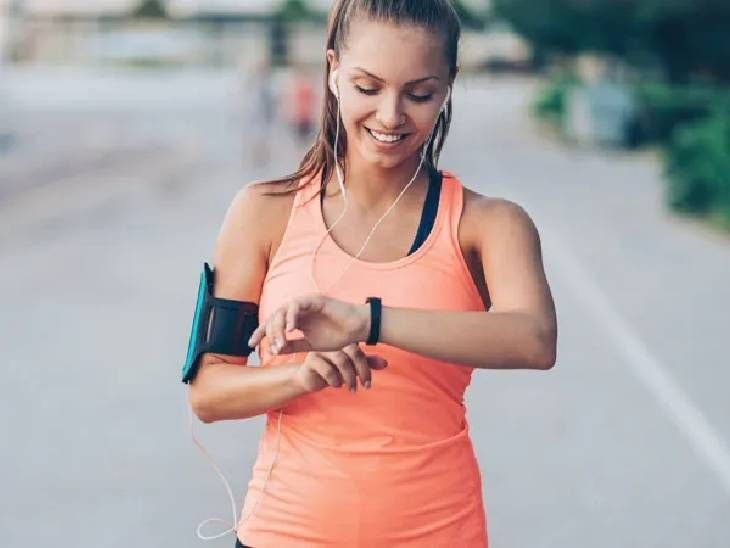
In America, these watches have received approval for the sleep apnea detection feature. – Representative photo
Gone are the days when smartwatches were only used to count steps or display notifications. Today’s smart wearables are packed with advanced sensors and AI-powered features that can offer deeper insights into your health and lifestyle
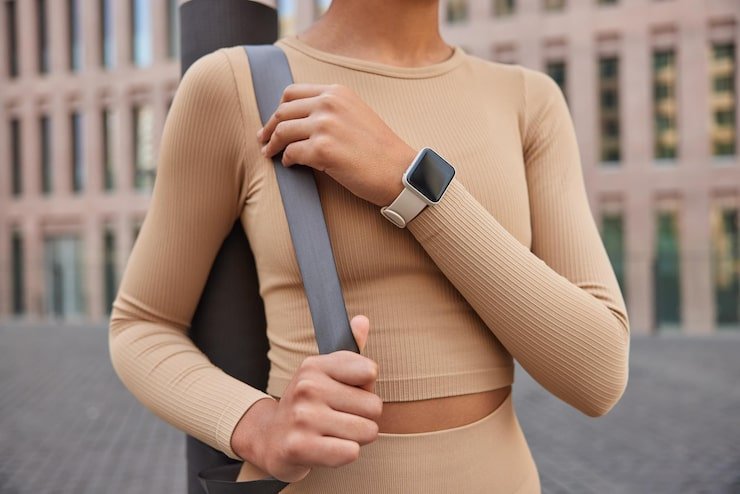
From tracking sleep quality to estimating body composition and even biological age, devices such as Apple Watches, Samsung Galaxy Watches, smart rings, and fitness trackers are becoming powerful personal health companions
Keeping an eye on sleep, blood pressure and diabetes risks
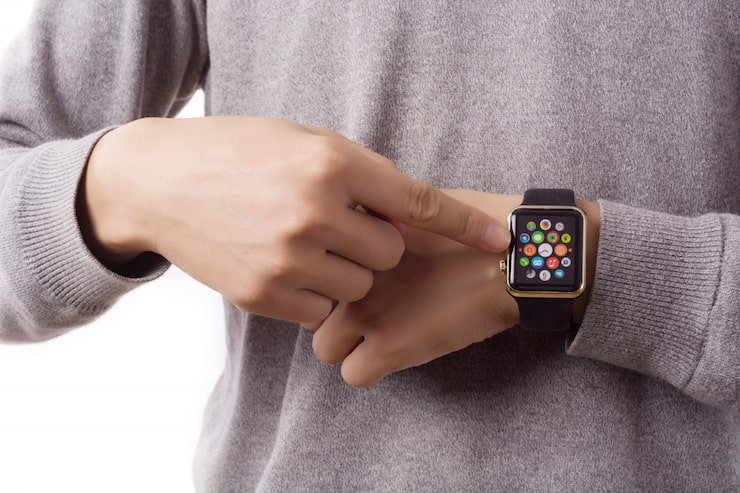
Modern smartwatches can monitor blood oxygen (SpO2) levels while you sleep. Devices from Apple and Samsung can identify patterns that may indicate sleep apnea, a condition in which breathing repeatedly stops and starts during sleep
If left untreated, sleep apnea can increase the risk of high blood pressure, heart disease, and diabetes. The sleep apnea detection feature available on some Apple and Samsung watches has already received regulatory approval in the United States
Can your watch tell if you’re eating healthy?

Samsung’s latest Galaxy Watch 8 introduces an interesting new feature. Users can place their thumb on the watch’s sensor, and the device attempts to estimate whether they are consuming enough fruits and vegetables
While it cannot replace professional nutritional advice, the feature aims to give users a quick snapshot of their dietary habits
Discover your body’s ‘real’ age
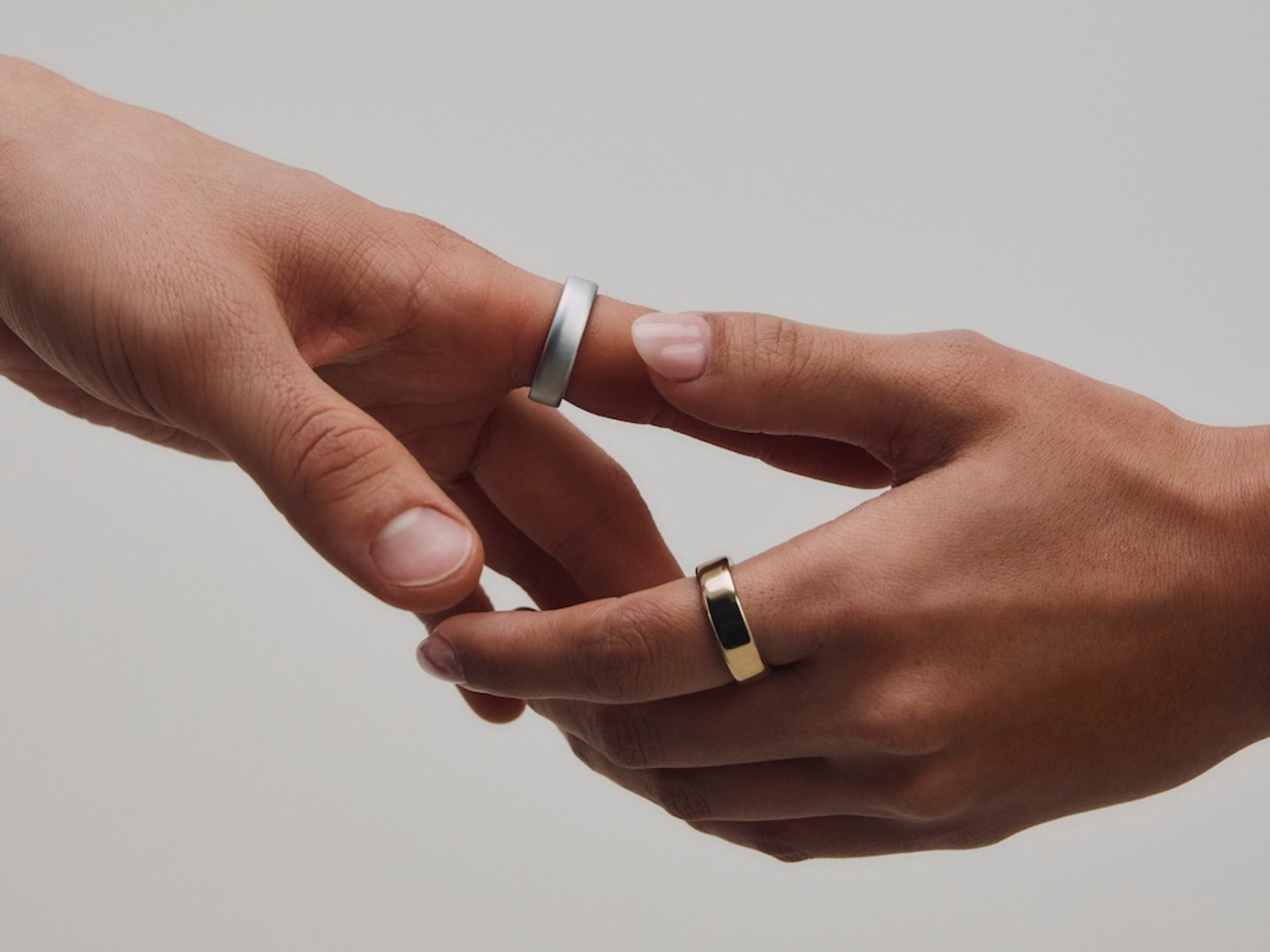
Image credits: Oura
Your actual age and your body’s age may not always be the same. Smart rings such as the Oura Ring analyze various health indicators to estimate biological age, which reflects how quickly the body may be aging
Meanwhile, the Ultrahuman Ring goes a step further by offering metrics such as Brain Age and Blood Age, providing users with a broader picture of their overall wellness
Tracking fat loss and body composition
Wearable devices are also becoming useful tools for fitness enthusiasts. The Ultrahuman Ring combines data from sleep, heart rate, activity levels, and other health metrics to provide deeper health insights
Samsung’s Galaxy Watch features body composition analysis technology that estimates the percentage of body fat, muscle mass, and body water, helping users track their fitness goals more effectively
Special health features for women

Many modern wearables can monitor changes in skin temperature throughout the day and night. This information can be used to predict menstrual cycles and better understand different phases of the reproductive cycle. Fitness platforms such as Whoop use this data to provide women with more detailed monthly health and recovery insights
The future of personal health monitoring
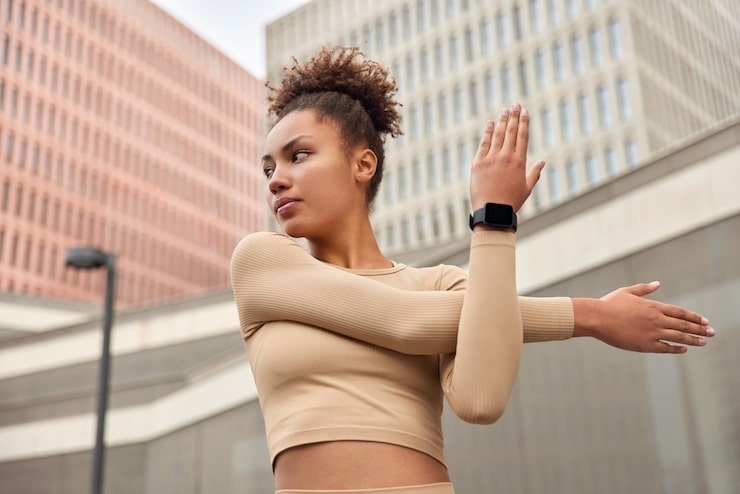
As sensors become more advanced and AI continues to improve, smartwatches and smart rings are evolving from simple fitness trackers into sophisticated health-monitoring devices. While they are not a replacement for medical professionals, they can help users spot trends, identify potential health risks, and make more informed lifestyle choices
.
More news…
- Tech & Science
- Copy link
Share
- Tech & Science
- Copy link
Share
- International
- Copy link
Share
