


Mirage News
Mirage NewsHealth15 Jul 2026 12:32 am AESTDate Time
People with metabolic syndrome tend to have brains that appear older than their actual age, according to a new study published in the journal Alzheimer’s & Dementia: The Journal of the Alzheimer’s Association. The new findings provide fresh insights into the biological processes that may link metabolic health to the brain
Metabolic syndrome is defined as having at least three of five conditions: excess body fat around the waist, high blood pressure, high blood sugar, high triglycerides and low levels of “good” HDL cholesterol. Previous studies have linked the syndrome to a higher risk of cognitive problems and dementia, but the underlying mechanisms have remained unclear
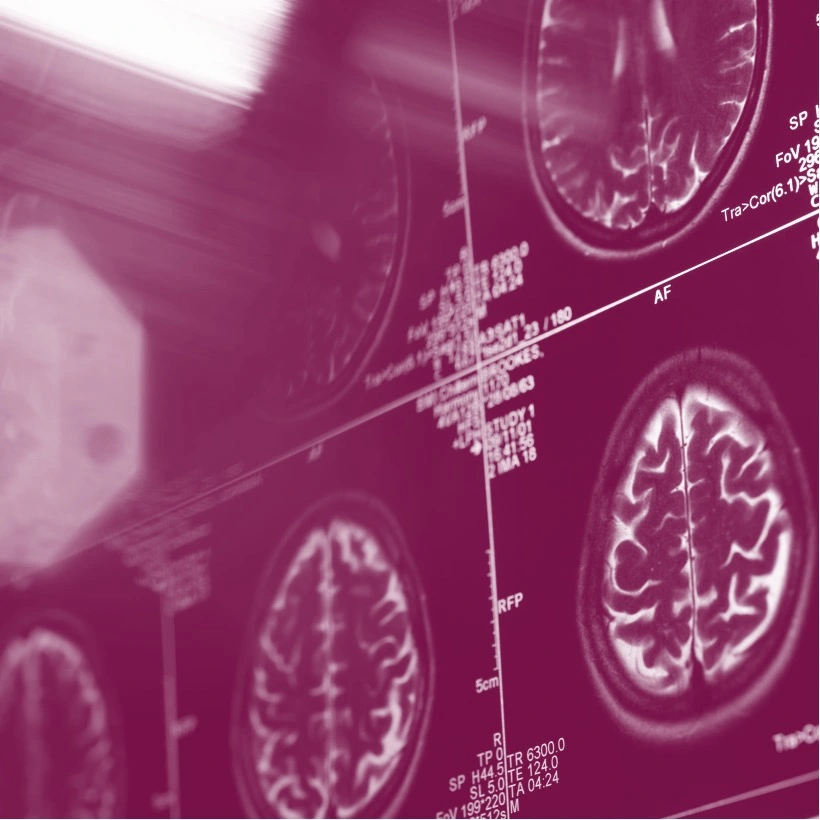
The current study is based on brain scans and blood samples from more than 27,000 adults in the UK Biobank aged between 40 and 70. Detailed brain magnetic resonance imaging (MRI) data was analysed using machine learning to estimate each person’s “brain age”, which was then compared with their chronological age. The results showed that participants with metabolic syndrome had brains that looked significantly older than their chronological age would suggest.
The difference increased with the number of metabolic syndrome components. Participants with three components had brains that appeared approximately one year older than their actual age. This rose to 1.7 years among those with four components and to 2.3 years in people who had all five. Each individual component, such as high blood pressure or high blood sugar, was also linked to an older-looking brain.
Biological clues in the blood
To investigate possible biological explanations, the researchers also analysed blood samples from a large subgroup of participants. They found that certain apolipoproteins, fatty acids and markers of inflammation partly explained the link between metabolic syndrome and brain ageing. These factors each accounted for between 3 and 16 per cent of the association

Abigail Dove.
Photo: Donna Dove
“These findings help us understand how metabolic health may influence the brain,” says Abigail Dove , postdoctoral researcher at the Aging Research Center at the Department of Neurobiology, Care Sciences and Society , Karolinska Institutet, who led the study
“The results point to biological pathways such as inflammation and altered fat metabolism that could be important for maintaining brain health as we age,” she continues
The researchers emphasise that the study does not show that metabolic syndrome directly causes accelerated brain ageing. However, the findings shed light on possible mechanisms connecting metabolic health to poor brain health and highlight metabolic syndrome and its individual components as potential targets for efforts aimed at supporting healthy brain ageing later in life
Publication
“Metabolic syndrome is associated with accelerated brain aging”, Abigail Dove, Jiao Wang, Rongrong Yang, Sakura Sakakibara, Zoe Arvanitakis, Andrea LC Schneider, Rebecca F Gottesman, Weili Xu, Alzheimer’s & Dementia, online July 14, 2026, doi: 10.1002/alz.71563
/Public Release. This material from the originating organization/author(s) might be of the point-in-time nature, and edited for clarity, style and length. Mirage.News does not take institutional positions or sides, and all views, positions, and conclusions expressed herein are solely those of the author(s).View in full here.
