





Jan 16, 2026
The flagship neurology and neurosurgery center at U of U Health offers care from the top specialists in brain, nerve, and spine treatment
View the Clinical Neurosciences Center

Learn More About Treatment for Cognitive Disorders at U of U Health
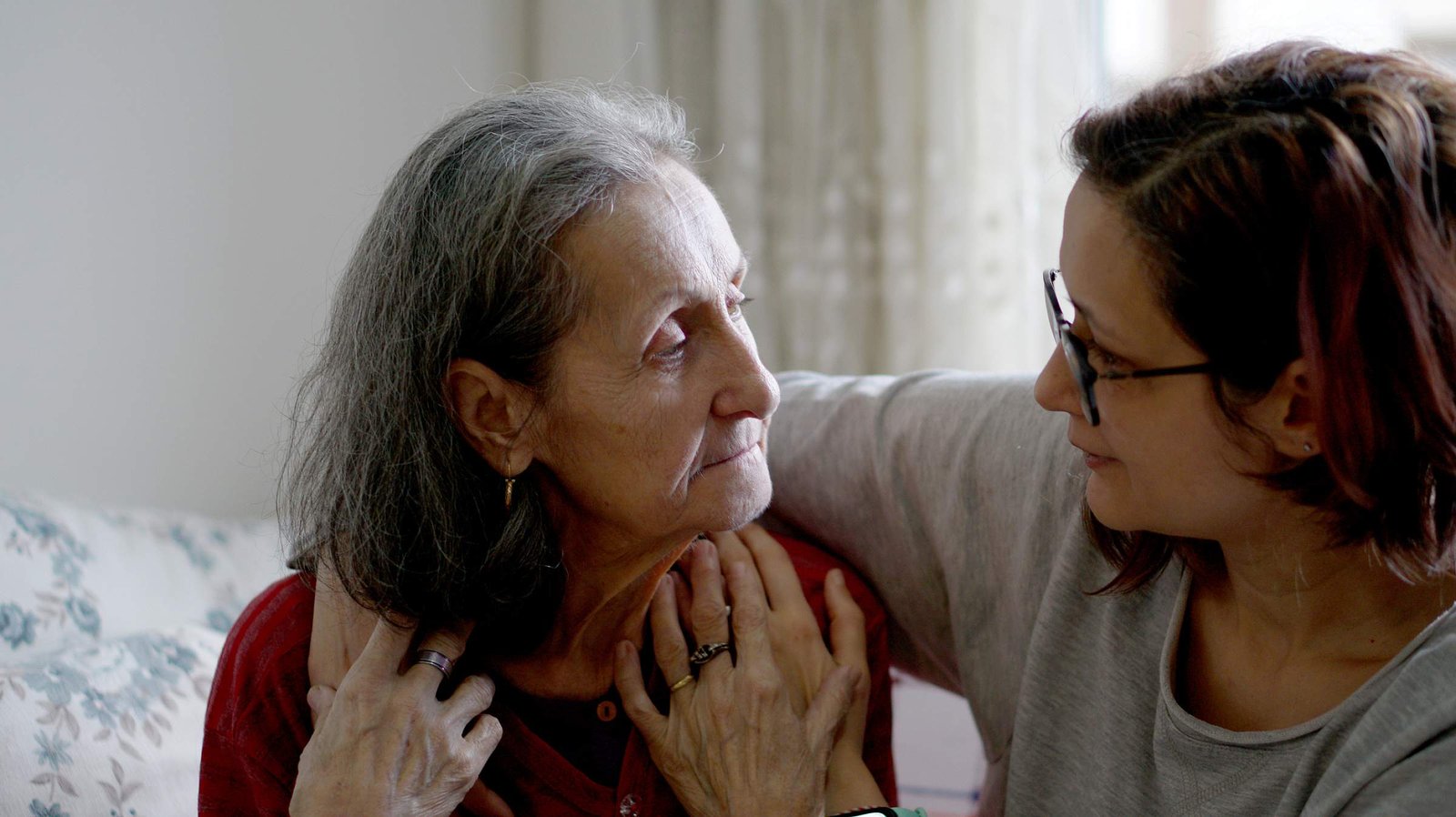
When a parent suddenly can not remember your name—or seems lost in their own home—the emotional shock hits hard. Learn about the signs, causes, and next steps that matter when a parent begins to lose their memory

Memory lapses are common with aging, but how can you tell when it is something more serious? Learn about the signs to watch for, how to encourage loved ones to get evaluated, and why acting early can change the course of care

Worried About Your Memory? Here Are 5 Questions to Ask a Cognitive Neurologist
Worried about your memory—or someone else’s? Discover five key questions to ask a neurologist that can help you tell the difference between normal forgetfulness and early signs of cognitive decline
Read More

Preventing Delirium at Home and in the Hospital
While delirium is a temporary condition, and most episodes resolve within a few days, it should be treated as a medical emergency. Watching a loved one suffer from delirium can
Read More

Identifying Delirium: Common Causes and Treatment Options
Up to one-third of older adults staying in the hospital can develop a condition called delirium. It is especially common in people age 65 and older
Read More
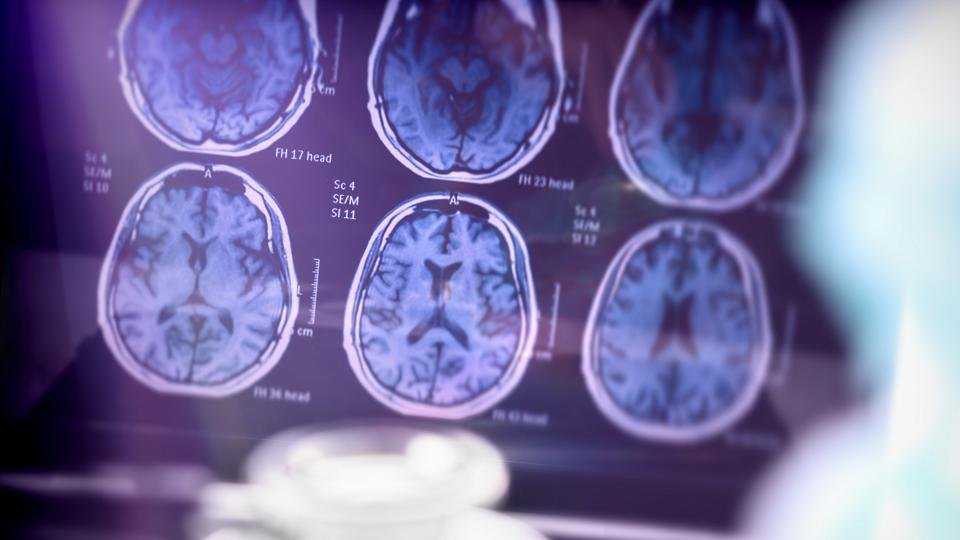
New Drug May Help Slow Effects of Alzheimer’s for Those with Mild Symptoms
To date, lecanemab is the first traditional approval of a treatment for Alzheimer’s disease. Lecanemab holds promise for patients in early stages of the disease
Read More
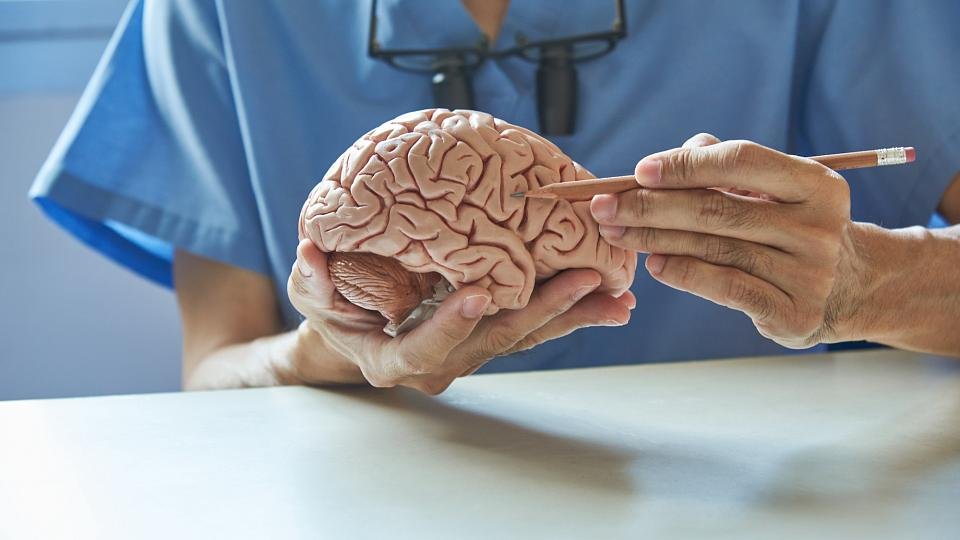
The Impact of Frontotemporal Dementia on You and Your Loved Ones
The family of Bruce Willis recently revealed that the actor has been diagnosed with frontotemporal dementia, or FTD. While you’ve likely heard of dementia and associate the health condition with
Read More

Dementia and Behavior Changes at Sundown
Doctors aren’t quite sure what causes sundowner’s syndrome, but they do know people with Alzheimer’s disease are prone to develop it, especially in the mid to late-stages of the disease
Read More
