Research and Innovation
Consumer Sleep Technology Can Support Better Sleep, With Limits
By: Chad Hanson | March 25, 2026 | 9 min. read |
A new National Sleep Foundation statement shaped by University of Miami Miller School of Medicine sleep researcher Dr. Azizi Seixas outlines when consumer sleep technology helps and where its limits lie
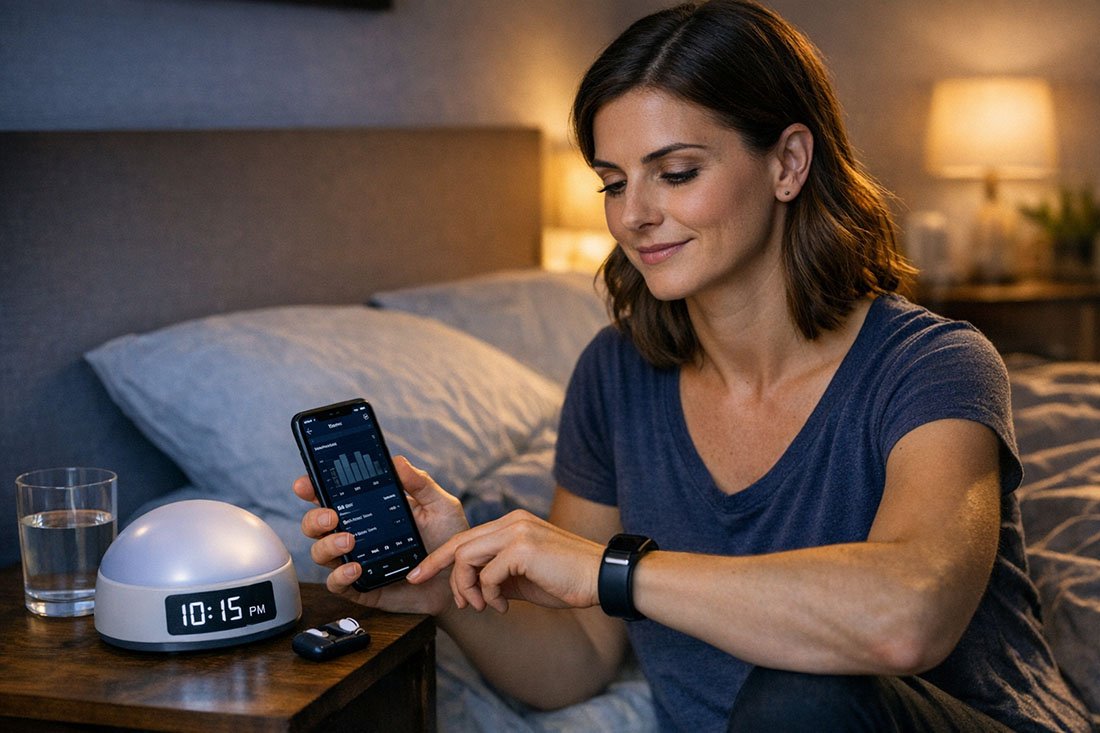
Consumer sleep trackers, smart rings and sleep apps are now part of daily life for millions of Americans. But how reliable are they and how should they be used?
A newly published position statement from the National Sleep Foundation (NSF) offers the clearest guidance to date, outlining when consumer sleep technology can support better sleep health and where caution is essential. Among the national experts who helped shape the recommendations is Azizi Seixas, Ph.D., a sleep researcher at the University of Miami Miller School of Medicine, underscoring the university’s growing leadership in sleep science and digital health. Dr. Seixas is an associate professor of psychiatry and behavioral sciences, director of The Media and Innovation Lab, associate director of the Center for Translational Sleep and Circadian Sciences and interim chair of the Department of Informatics and Health Data Science at the Miller School.
“Sleep technology has made sleep visible and visibility is the first step to better health and sleep health,” said Dr. Seixas
Published in Sleep Health: Journal of the National Sleep Foundation, the statement reflects months of expert review and consensus building. It responds to the rapid growth of consumer sleep technology, from wearable devices that estimate sleep duration to apps that promise personalized sleep coaching
Rather than testing a single device, Dr. Seixas and colleagues conducted a comprehensive expert review of the scientific evidence surrounding consumer sleep technologies. An internal and external panel of subject‑matter experts evaluated existing research, performance standards, public‑health data and ethical considerations. The process included internal vetting, fact‑checking and approval by the NSF’s research leadership and board.
Importantly, the position statement focuses on consumer wellness products, not FDA‑regulated medical devices used to diagnose or treat sleep disorders. That distinction matters, the authors noted. Many consumer tools are not designed or validated for clinical decision‑making
The statement concludes that science-backed consumer sleep technologies can play a positive role in improving sleep health, particularly by increasing awareness and encouraging healthier behaviors. At the same time, the authors stress that these tools have clear limitations
Among the core conclusions:
• Consumer sleep technology can help users track patterns, set goals and engage more actively with their sleep health, but results vary widely by device
• These tools do not replace healthy sleep behaviors, such as consistent schedules, adequate sleep duration and good sleep environments
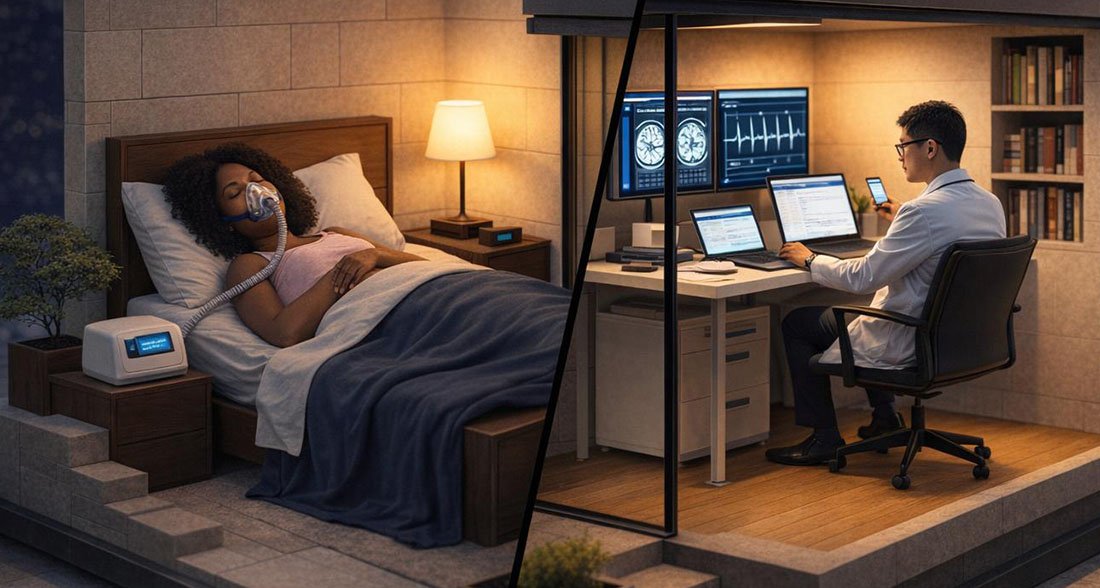
• Data from consumer devices should not substitute for clinical evaluation, especially when sleep disorders are suspected
• Privacy and data governance remain major concerns, as sleep technologies often collect sensitive personal health information
“Technology works best when it supports, not replaces, clinical care and healthy sleep behaviors,” said Dr. Seixas
The authors also highlighted unhealthy obsessions with achieving “perfect” sleep metrics. Orthosomnia can paradoxically worsen sleep for some users
Dr. Seixas, a nationally recognized sleep and population‑health scientist, brings expertise in sleep disparities, digital health and real‑world data. His involvement reflects the Miller School’s broader commitment to advancing responsible, evidence‑based health technology
Used properly, sleep technology can be part of a broader, healthier conversation between doctors and patients.Dr. Azizi Seixas
In public discussions about sleep technology, Dr. Seixas has emphasized balance between innovation and rigor. Technology, he insists, can expand access to sleep health when grounded in science
Dr. Seixas has also stressed that technology works best when paired with human judgment and clinical context
“Sleep technology only delivers value when strong science translates seamlessly into how people live, behave and make health decisions every day,” he said
For patients, the guidance offers reassurance and clarity. Sleep trackers and apps can be useful tools for understanding habits and prompting healthier routines, but unusual readings or ongoing sleep problems should always be discussed with a health care professional
For clinicians, the statement encourages engagement rather than dismissal. As more patients arrive with device‑generated sleep data, providers can use that information as a starting point for meaningful conversations, while relying on evidence‑based medicine for diagnosis and treatment
“Used properly,” said Dr. Seixas, “sleep technology can be part of a broader, healthier conversation between doctors and patients.”
The authors call for continued independent research, stronger performance standards and policies that protect consumer data while encouraging ethical innovation. Funding agencies and industry partners, they argue, have a critical role to play in ensuring that sleep technology evolves in ways that truly benefit public health
As consumer sleep tools become more sophisticated and more common, the involvement of academic researchers like those at the Miller School will remain essential. By helping shape national guidance, Dr. Seixas and his colleagues are working to ensure that sleep technology supports better sleep, better care and better health outcomes, without losing sight of the science