

8 things to know about the gut microbiome and keeping yours healthy
diane555/Getty Images
In the world of wellness and health content, few areas of our anatomy attract more interest lately — and specious claims — than the gut microbiome
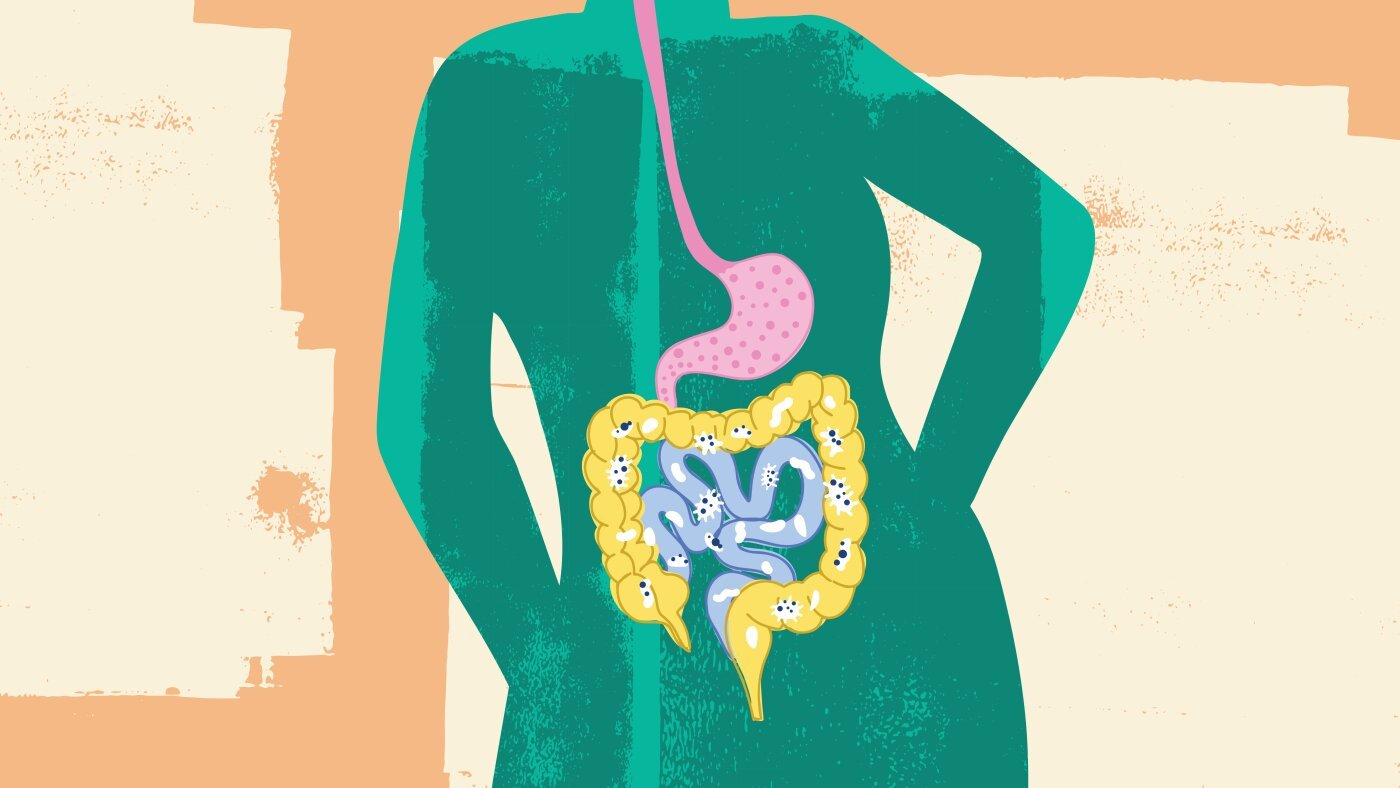
This vast ecosystem of bacteria and microorganisms within our intestines shapes our health in profound ways that go well beyond digesting food — affecting our immune system, mood, cognition, metabolism and much more
But public awareness of the microbiome’s central role in our well-being has also given rise to a market of advice-givers and products playing up the idea that we need to constantly test, reset, or somehow optimize this network of bugs inside us
Gut researchers say, in many cases, what’s being promoted has leapfrogged the evidence
Here’s what some of the leading scientists in the field want you to know:
1. A “healthy” gut microbiome is still hard to define
Healthy or hype?
The ‘fibermaxxing’ trend has health benefits worth the hype
It’s a fundamental challenge for the field: In healthy people, the specific makeup of the gut microbiome can vary considerably based on geography, lifestyle, diet, genetics and other factors
Even though the field has made major strides, there’s “no clinical or scientific consensus around what constitutes a healthy microbiome,” says Hannah Holscher, a professor of nutrition at the University of Illinois in Urbana-Champaign
This is why there’s no single metric that can deliver a reasonably straightforward assessment of your gut health like there is for cholesterol or blood pressure
Want the latest stories on the science of healthy living? Subscribe to NPR’s Health newsletter
Broadly speaking, however, scientists do have clues about what tend to be desirable characteristics for the microbiome
Research shows a higher diversity of microorganisms can be one indicator. You can also look at how well the microbiome resists change in the face of disruptions like illness or antibiotics, and the ability to bounce back after that. Scientists have also identified certain groups of bacteria that are correlated with health
While none of these are universal markers — because in some instances, higher diversity can actually be associated with certain diseases — taken together, all of these can be markers of how well the microbiome is doing
Scientists caution that ultraprocessed foods can undermine the health of the gut microbiome.
Beck Harlan for NPRhide caption
toggle caption
Beck Harlan for NPR
2. It’s not just about which bugs are there — it’s what they’re doing
Scientists have identified certain groups of bacteria that are often associated with better health, and lab research has revealed some of the important jobs they’re carrying out
But experts caution against simplistic notions that you can separate the inhabitants of the gut into “good” and “bad” microbes
“There’s a new understanding that we’re not necessarily talking about just one microbe at a time causing problems,” says Dr. Alexander Khoruts, a professor at the University of Minnesota who directs the UMN Microbiota Therapeutics Program
“It could be an entire microbial community as a unit that may be dysfunctional,” he adds
In one major study published last year, a team of gut researchers surveyed more than 40,000 human gut microbiomes from dozens of countries and ranked different groups of bacteria that appear to be “keystones” of health and resilience, such as Roseburia, Eubacterium, Faecalibacterium, Allistipes and Bacteroides
While the study can’t prove causation, Holscher points out there are some common themes among the top-ranking microbes, which helps explain why they’re beneficial, including their ability to ferment fiber, produce healthful metabolites and make short-chain fatty acids
For example, Roseburia — which Holscher’s lab found can be enriched in the gut by eating certain nuts — is a major producer of butyrate, a short-chain fatty acid that nourishes the cells in the colon, supports the gut lining and helps create an acidic environment that’s inhospitable to pathogens like E. coli
Healthy or hype?
Marketers say NAD+ pills and infusions can boost longevity. What’s the evidence?
The catch here is that two healthy people can have microbiomes that look and behave very differently, meaning they could respond to the same diets and interventions in very different ways
3. The modern microbiome has issues, but it’s not broken either
If you spend enough time on social media, it’s easy to think our modern microbiomes are hopelessly wrecked
Dr. Fergus Shanahan, a longtime researcher in the field and an emeritus professor of medicine at the National University of Ireland in Cork, says the truth of the matter is more nuanced
“There are many features of our industrialized microbiome that are suboptimal, but it may be the best we have because our microbiome has changed and adapted to our environment,” he says
Studies show that living in industrialized societies has taken a toll on our gut health
The wide use of antibiotics, a diet heavy in refined food and low in fiber, a sedentary lifestyle, and other environmental factors aren’t helping our microbiome
But the fact that our microbiome looks different from that of our ancestors doesn’t necessarily mean we’d be better off if we simply swapped ours for an earlier model
When people who live in a preindustrialized setting move to a more industrialized one, Shanahan says it appears their microbiome may actually become a liability, potentially increasing their risk of obesity and other chronic diseases
And what may have been normal at one point in history may not necessarily have been “healthy.”
Life Kit
Practical advice for modern dads
For example, it’s now well-established that the bacteria species Helicobacter pylori is a risk factor for peptic ulcers and stomach cancer. Not that long ago, though, most people had this bacterium in their stomach, and scientists speculated that it may have had a protective effect against certain autoimmune and allergic diseases
“So there’s a yin-yang with everything. What’s good at a certain time in human evolution isn’t necessarily good at a later time,” Shanahan adds
Direct-to-consumer gut microbiome testing is growing more popular.
Beck Harlan for NPRhide caption
toggle caption
Beck Harlan for NPR
4. Over the counter microbiome tests yield questionable results
As technology has advanced, so too has the market of products that promise to divine your gut health
These direct-to-consumer tests usually rely on stool samples, cost a few hundred dollars and deliver hundreds of measurements related to microbes and metabolites, sometimes even offering you a gut health score
The allure is obvious: If you can map your microbiome, surely you can pinpoint the
In his practice, Khoruts says it’s not unusual for patients to present him with these personalized results
“I think the message the patient gets is ‘gee, my doctor never did this kind of testing — it must mean something,'” he says. “The reality is, unfortunately, it’s not very informative at all.”
The problem starts with interpretation: Because there’s no agreed-upon definition or metric for a healthy microbiome — and so much variation exists among individuals — these tests are essentially “meaningless” from a clinical standpoint, he says
Beyond that, research shows there are technical issues. The same stool sample sent to different companies can deliver different results, based on which methods are being used. What’s more, these direct-to-consumer products that have proliferated in the wellness space aren’t held to the same standards as diagnostic tests that your doctor might order to check for a specific disease or pathogen
5. How about probiotics?
Wandering the supplement aisle of a health food store can be a dizzying experience with endless options of probiotics aimed at supporting different organ systems and aspects of your well-being
Experts have outlined three core requirements for a probiotic: The microbes must be alive, present in sufficient quantities and have a proven health benefit
Shanahan says this last criterion is usually the one that commercial products gloss over by claiming they have been “clinically tested” but omitting the fact that the actual findings were underwhelming
“I’m afraid the consumer has to be really careful about that,” he says
The NPR Politics Podcast
Trump backs psychedelic drug treatments
Researchers do agree that probiotics have potential, and some strains are backed by high-quality data that shows they can be effective in specific circumstances
For example, some strains of probiotics can lower the risk of diarrhea from antibiotics and severe complications for preterm infants. There’s also positive data on prevention of respiratory tract infections and travelers diarrhea, and in the management of some inflammatory bowel diseases
A common misperception is that probiotics are supposed to parachute into the gut, take root and wage battle against unwelcome microbes. In reality, though, probiotics aren’t intended to colonize the gut permanently, but rather to temporarily trigger “our immune system, our intestinal lining and our gut brain-axis” to make compounds that are beneficial while we’re taking them, says Maria Marco, a professor of food technology at UC Davis.
“Through my own work, I have seen that they have made a difference in people’s lives,” she says. “The challenge probiotics face is the same issue with gut microbiome — that it depends on which microbe, for which person, at which time.”
Fermented foods and foods high in fiber, including green vegetables, nuts seeds and berries, feed the microbes in our gut.
Beck Harlan for NPRhide caption
toggle caption
Beck Harlan for NPR
6. What helps? Fiber and fermented foods
Humans were doing it long before “fibermaxxing” entered the wellness vernacular
Experts say eating more fiber from nuts, fruits and vegetables is one practice from our ancestors that we should be emulating. It’s probably the single most powerful — and simplest — way to bolster our gut microbiome. And currently, most Americans fall short of the recommended daily goal, which ranges from approximately 20 grams to about 40, depending on your age and sex
What also matters is getting fiber from a diversity of whole foods
“Like an apple tastes different from an orange tastes different from an avocado, they have different fibers in them and different phytonutrients,” Holscher says. “Different microbes can go in and use those fibers as energy
Research shows that you can relatively quickly change the composition of the microbiome by significantly upping your fiber intake. Holscher says just take it slowly
Her lab has found even modest additions to the diet — a handful of nuts or an avocado — can enrich certain beneficial bacteria over the course of a few weeks
There’s also evidence that adding fermented food to your diet like kimchi, kefir and sauerkraut can be particularly effective
In one study done by a team at Stanford, adults who added extra fermented food over the course of 2 1/2 months had increased microbial diversity and a decrease in markers of inflammation
Yogurt is another easy way to incorporate probiotics into your diet, though it’s best to look for products that have live cultures in them and avoid those packed with sugar
“It does appear that in the process of fermentation, certain chemicals are made, like lactic acid, that may actually have beneficial effects on the gut,” Khoruts says
7. What to avoid: highly processed snacks
While many foods are demonized online, experts in the field of gut health emphasize it’s the sum of what you eat more than any single food that’s most consequential
As long as you’re eating a diverse diet, Holscher says there’s room to indulge in the occasional sugar-filled treat
She and others advise that most of what you eat should consist of whole foods — be it from plants or animals — and to minimize foods high in refined sugars and saturated fats
Life Kit
How to have a safe, healthy summer
There’s also growing evidence that links ultra-processed foods to gut diseases and changes in the microbiome. Studies, primarily done in animals, have signaled artificial sweeteners, food additives and emulsifiers can be harmful, though the science — and what’s truly responsible for this link — remains unsettled
Holscher also recommends limiting alcohol if you’re concerned about keeping your gut microbes happy. Research suggests drinking heavily can disrupt the microbiome, damage the gut lining and contribute to other problems
8. Lifestyle matters
Our gut microbiome is intertwined with our physiology. So, when we, the host are thriving, chances are the microbes inside of us are happy, too
Research shows sleep, exercise, and psychological well-being are all lifestyle factors that can meaningfully alter our gut microbiome — for better or worse
While it’s not always easy to execute, Khoruts says people with gut troubles like bloating, cramps and constipation — assuming they don’t have some diagnosed condition — can expect significant improvement from making relatively simple lifestyle changes on these fronts
In Shanahan’s view, the research has simply caught up to the commonsense advice that you’d get from your grandmother
“Microbiome science has not found us some magic little trick that you can take and you’re going to be perfect,” he says. “So there isn’t any need for some health guru to come along and say, ‘Oh, I’ve got some potion that is going to improve your microbiome.'”
