
Life Kit: Health
NPR
Should I take a probiotic? And other gut questions, answered
diane555/Getty Images
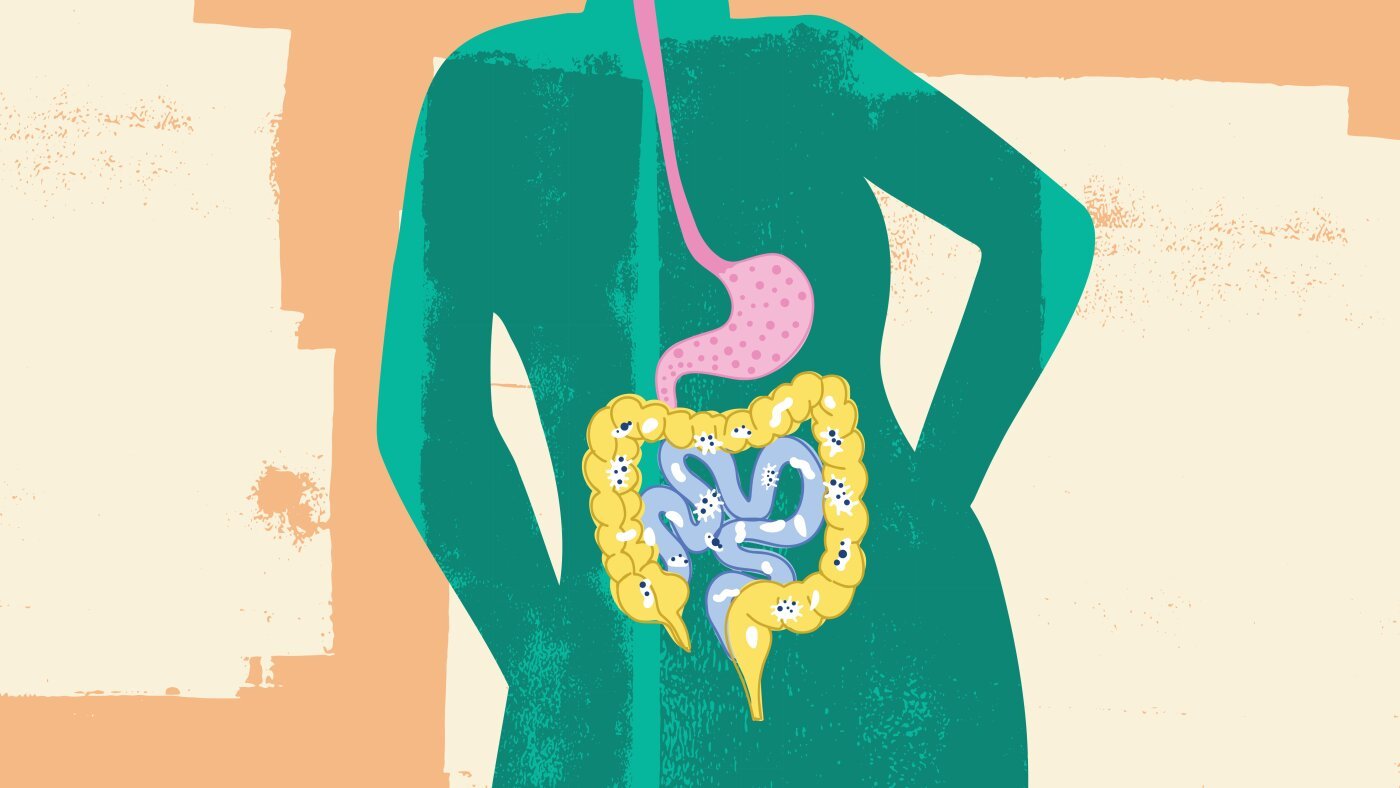
Research shows that our gut microbiome — the trillions of microbes that populate our intestines — isn’t just involved in digestion. It’s intimately linked to our immune systems, mental health, cognition and more. If you want to improve the health of your gut microbiome, there are specific best practices that can help. This episode, NPR health correspondent Will Stone shares tips on probiotic supplements, microbiome tests, and the most important factor — your diet.Follow us on Instagram: @nprlifekitSign up for Life Kit’s skincare newsletter: http://npr.org/skincareHave an episode idea or feedback you want to share? Email us at lifekit@npr.orgSupport the show and listen to it sponsor-free by signing up for Life Kit+ at plus.npr.org/lifekitSaccharomyces boulardii CNCM I-745 and Lactobacillus rhamnosus GG are two examples of probiotic strains that have considerable evidence from randomized controlled trials. Saccharomyces boulardii CNCM I-745 for travelers’ diarrhea and antibiotic-associated diarrhea and Lactobacillus rhamnosus GG for antibiotic-associated diarrhea for children and adults, and also for upper respiratory tract infections.
