

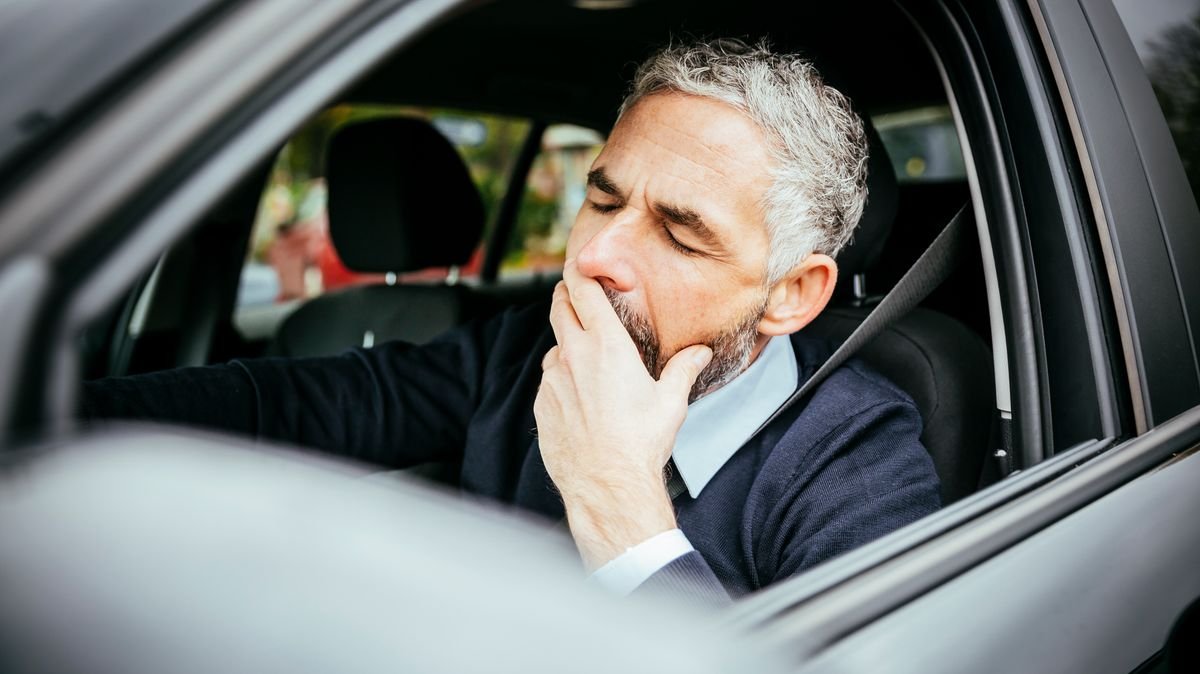
Drivers across the UK are being warned that failing to declare a sleep disorder to theThe Driver and Vehicle Licensing Agency (DVLA) could land them a £1,000 fine, an automatic driving ban, and even a criminal record
The DVLA has confirmed its full list of sleep conditions that legally require a formal reassessment for a motorist to keep their driving licence
Millions of Brits who live with routine or progressive health conditions could inadvertently find themselves breaking the law if they fail to notify authorities about changes to their well-being. While many drivers associate medical driving bans strictly with sudden events like a heart attack, the law treats certain conditions that can impair your ability behind the wheel with equal severity
Click here to get the biggest stories straight to your inbox in our Daily Newsletter
Under strict motoring laws, it is a legal requirement for drivers to inform the DVLA of any “notifiable” medical condition. If you are involved in a collision and it is discovered you failed to declare a medical condition that compromised your driving, your insurance will be completely invalidated, and you could face prosecution for dangerous driving
The government has highlighted a wide range of specific sleep disorders that require mandatory disclosure and a subsequent fitness reassessment
These include:
- Confirmed moderate or severe Obstructive Sleep Apnoea Syndrome (OSAS) with excessive sleepiness.
- Narcolepsy and/or Cataplexy.
- Any sleep condition or extreme tiredness causing excessive sleepiness for three months or more, which includes suspected or confirmed mild OSAS.
It is important to note that being diagnosed with one of the above does not automatically mean your licence will be revoked forever. Drivers are often permitted to stay behind the wheel, provided the DVLA’s specialised medical advisory panel deems it safe to do so
Once you notify the DVLA, they will assess your medical fitness using a combination of methods. This usually begins with a health questionnaire detailing your symptoms and treatment
The DVLA will frequently contact your GP or hospital consultant directly to secure independent medical reports. In some instances, motorists may be requested to attend a practical driving assessment centre or undergo an independent examination to prove their reaction times, spatial awareness, and physical control are up to standard
Following the review, the DVLA will make one of three decisions:
- You keep your full driving licence.
- You are issued a medically restricted licence (valid for one, two, or three years), which requires regular mandatory reviews.
- Your licence is revoked, meaning you must stop driving immediately.
If a driver is caught failing to report a condition, the consequences go far beyond a standard motoring ticket
Magistrates have the power to hand down heavy sentences at court, with many drivers found guilty of non-disclosure hit with a fine of up to £1,000. However, if your hidden condition causes an accident, you can face a mandatory driving ban and up to six months of prison time
Article continues below
In the absolute worst-case scenario, causing death by dangerous driving due to an undisclosed medical condition carries a maximum penalty of life imprisonment
The law applies strictly across England, Scotland, and Wales, with similar strict reporting measures enforced in Northern Ireland
Motorists are urged to check the official A-to-Z directory on the GOV.UK website and speak directly to a doctor if they have any doubts about their fitness to drive before turning the ignition key
