


skip to content
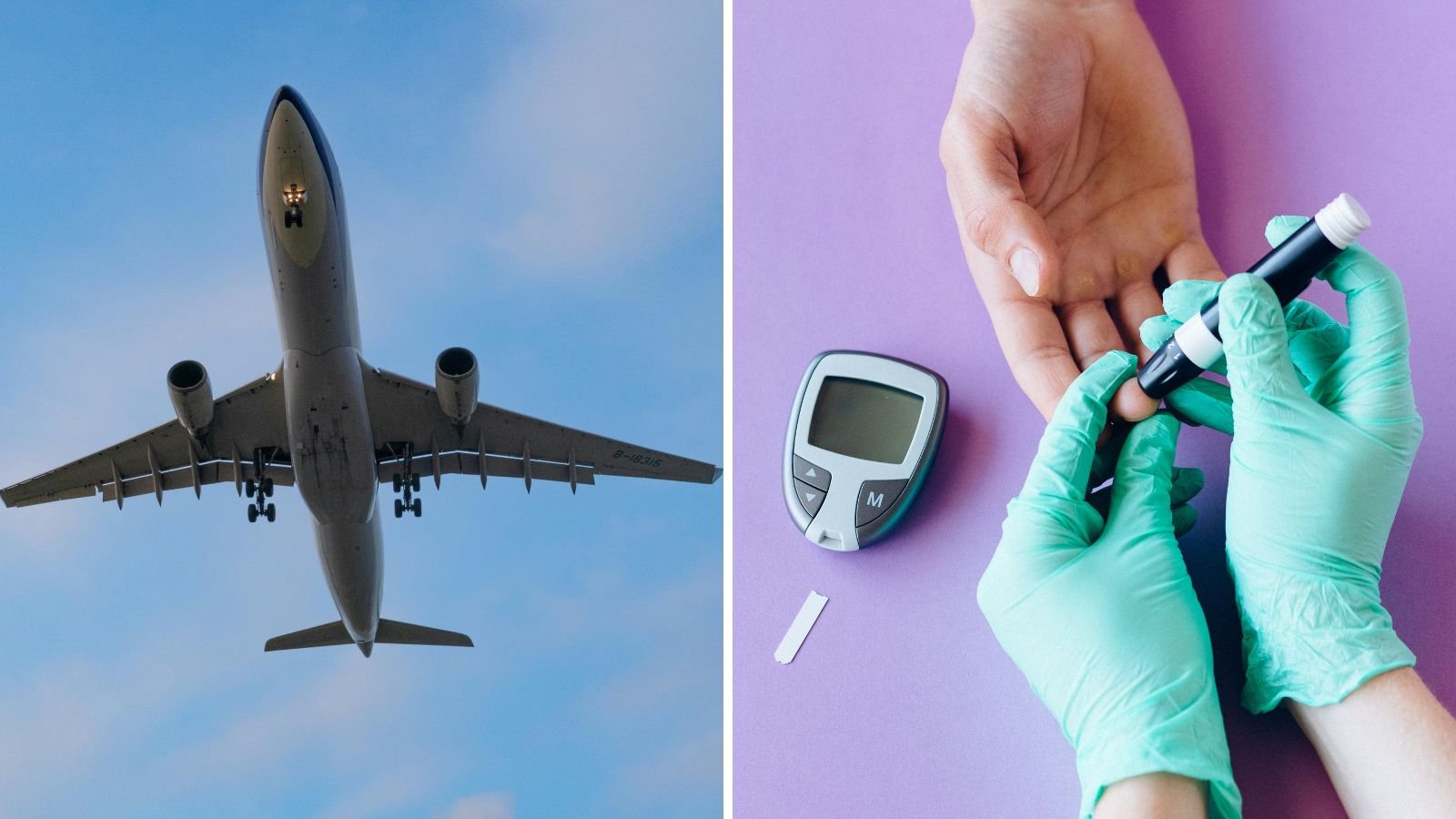
Jet lag may affect your body clock | Source: Canva
Frequent travellers often notice that long-haul flights leave them feeling more than just tired. Crossing multiple time zones can disrupt the body’s internal clock, alter sleep patterns, affect meal timing and reduce physical activity for a few days. Because all of these factors influence how the body regulates glucose, some people wonder whether jet lag can temporarily affect blood sugar levels or even increase the risk of diabetes, particularly if they already have prediabetes or other metabolic risk factors.
DISCLAIMER:This article is based on information from the public domain and/or the experts we spoke to. Always consult your health practitioner before starting any routine
The connection between disrupted circadian rhythms and metabolic health has attracted growing scientific interest, but it is not always clear how much effect a few days of jet lag has compared with long-term lifestyle habits. While temporary fluctuations in blood sugar may occur under certain circumstances, it is important to understand whether these changes are short-lived, who is most vulnerable, and what practical steps travellers can take to minimise any impact. An expert can help separate established evidence from common assumptions and explain what this means for everyday travellers.
Jet lag and blood sugar regulation
Kanikka Malhotra, Consultant Dietician & Diabetes Educator, tells indianexpress.com, “Yes, and the mechanism is more direct than most people realise. The body runs on an internal master clock, tucked deep in the brain, that regulates insulin sensitivity alongside sleep and hunger hormones. When this clock is thrown off by crossing time zones, insulin sensitivity can temporarily dip, meaning the same meal produces a higher blood sugar spike than usual for a few days. This is a short-term, reversible response, not diabetes itself.”
However, she notes, research on shift workers and frequent flyers suggests that repeated, chronic circadian disruption over years can gradually impair glucose metabolism and contribute to insulin resistance, one of the pathways to type 2 diabetes. “The key difference is duration and frequency. An occasional trip causes a temporary blip that resolves once routine returns, while ongoing disruption, night after night, is what tips the scales toward lasting metabolic damage. Think of it as the difference between a pothole and a worn-out road,” says Malhotra.
Who is most affected by travel-related blood sugar changes?
People with prediabetes or existing diabetes tend to notice the sharpest fluctuations, since their insulin response is already less flexible and has little buffer to absorb additional stress. Those with obesity and shift workers, who face chronic circadian misalignment, are also more vulnerable. Interestingly, even healthy individuals are not exempt, though their bodies typically recover faster
Malhotra explains, “Four factors compound the effect. Disrupted sleep reduces insulin sensitivity almost immediately, irregular meal timing confuses the digestive hormones that anticipate food at certain hours, stress raises cortisol, which independently pushes blood sugar upward, and reduced physical activity during travel days means less glucose is being used by muscles. Together, these create a temporary metabolic pile-up. Someone flying from Delhi to New York, for instance, may find their post-dinner readings higher than usual for the first two or three days, purely from this combination.”
Minimising the metabolic effects of jet lag
Quick Quiz
See if you can answer this:
Which strategy can help minimise the metabolic effects of jet lag?
A. Continue eating according to your home time zone throughout the trip
B. Skip meals after landing to avoid blood sugar fluctuations
C. Switch to the destination’s meal schedule, stay hydrated, take a short walk after landing and prioritise sleep
D. Rely only on sightseeing to help your body adjust to the new time zone
Reveal the answer
✅ Correct answer: C
Malhotra mentions that adjusting your meal times to the destination’s clock, choosing protein- and fibre-rich meals, staying well hydrated, taking a short walk after landing and prioritising sleep can help your body adapt more quickly to a new time zone. People with diabetes or prediabetes may also benefit from monitoring their blood sugar a little more closely during the first few days after travel.
DISCLAIMER:This article is based on information from the public domain and/or the experts we spoke to. Always consult your health practitioner before starting any routine
© IE Online Media Services Pvt Ltd
- West Asia War Live Updates: Iran says US to ‘pay the price’ for Qeshm civilians killed1 hour ago
- Spider-Man Brand New Day Review, Release Live Updates: Tom Holland film opens to positive reviews; earns over Rs 45 crore8 hours ago
- Parliament Monsoon Session Highlights, Day 8 Updates: Amit Shah ‘culpable or incompetent’, sack him for crackdown on students: Rahul Gandhi1 day ago
- Parliament Monsoon Session 2026 Day 7 Highlights | ‘Do lathi charge after every paper leak’: Asaduddin Owaisi takes a dig at new anti-paper leak Bill2 days ago
- NEET protests: Supreme Court stays action against students, orders release of all minors3 days ago
