


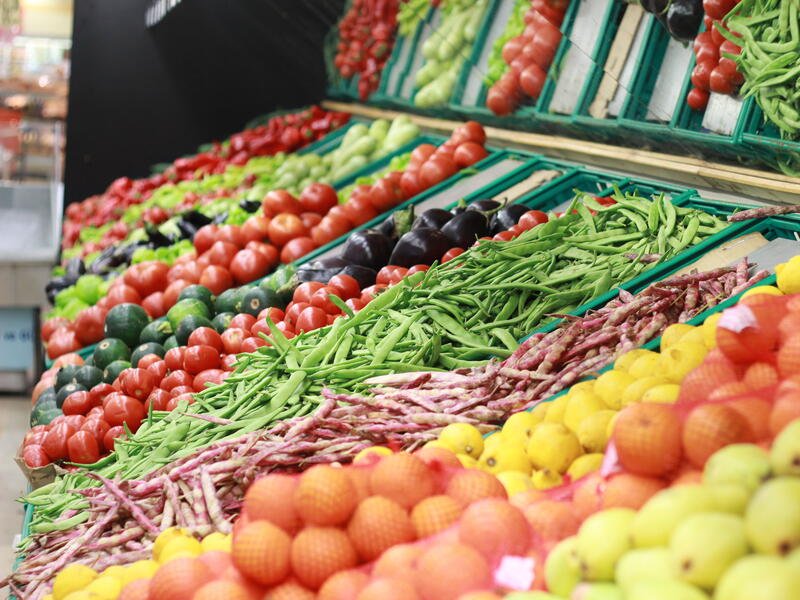
Eating an anti-inflammatory diet can help your overall long-term health and increase disease prevention
She said a diet that emphasizes whole foods are best for fighting inflammation
“Common foods included in this eating pattern are fruits and vegetables, whole grains, nuts and seeds, legumes, fatty fish, olive oil, and herbs and spices,” she said
Healthy fats are your friends
Let’s start with fatty fish and extra-virgin olive oil. Cole said these two are “cornerstones” of anti-inflammatory eating
Fatty fish, like salmon, sardines and mackerel and rich in omega-3 fatty acids. Omega-3 fatty acids are strongly associated with lower levels of inflammatory markers
“It’s recommended to eat fatty fish two to three times per week,” said Cole
Olive oil contains monounsaturated fats and polyphenols that support heart health and reduce inflammation
“Using olive oil as the primary cooking fat is one of the simplest dietary changes people can make,”
She said nuts and seeds are also a good way to get healthy fats and proteins in. Some of the most beneficial options include:
- Almonds
- Chia seeds
- Flaxseeds
- Pistachios
Fill up on fiber
Vegetables, especially leafy greens, provide fiber, vitamins and phytonutrients that support immune and metabolic health. Cole recommends filing half the plate with vegetables at mealtimes
Whole grains, like oats, quinoa, barley, wild and brown rice, provide more fiber and nutrients than refined grains. Replacing refined carbohydrates with whole grains may help reduce inflammation and improve blood sugar regulation
Legumes also are often very high in fiber, and soy foods have been associated with anti-inflammatory benefits like turmeric, garlic, ginger, cardamon and green tea contain “powerful anti-inflammatory compounds.”
Why is it important to fight inflammation?
Cole said if we can fight inflammation, we may improve our overall long-term health and increase disease prevention
“For example, I’m sure you’ve heard of the Mediterranean diet before,” she said. “That diet is modeled after how the people who live around the Mediterranean Sea eat. They live longer lives, and have less diseases such as cancer, diabetes, cognitive disorders and cardiovascular diseases.”
Cole said eating a larger meal earlier in the morning and limiting food intake in the evening can help with inflammation
But don’t get carried away
“You don’t necessarily have to fast, but don’t have a huge late supper. Maybe a little bit longer of fasting over the nighttime. Maybe you have supper at five or six but then don’t have a bedtime snack and eat breakfast at work the next morning,” she said
Let your eating habits help your body
A 2022 study from the National Institutes of Health suggests the same, saying that eating a larger meal in the morning naturally aligns with the body’s circadian rhythm, which improves metabolic function and reduces the risk of chronic inflammation
A 2020 study, also from the National Institutes of Health, explains that insulin sensitivity is more effective in the morning, meaning larger meals are processed better when eaten in the first half of the day
The study continues by indicating that larger meals are not processed as well at night, due to the body naturally releasing melatonin. Melatonin reduces insulin release, so eating large meals earlier in the day may prove beneficial
How to implement anti-inflammatory foods
Cole said fruits, vegetables, whole grains, nuts and seeds, legumes, fatty fish, olive oil and spices are good examples of anti-inflammatory foods
“All fruits and veggies can have anti-inflammatory effects, but what research has shown for fruits is that the most anti-inflammatory are cranberries, grapes, pomegranate and berries,” she said
She said cardamom, turmeric, garlic and ginger are all spices that have anti-inflammatory properties. Almonds, chia seeds, flax and pistachios are recommended for the nuts and seeds category
“A few things that people could start with would be to use olive oil as their primary cooking fat. You could try to eat fatty fish two to three times a week. Maybe adding nuts or berries to breakfast. Maybe you do overnight oats or a chia seed pudding, or some type of grain bowl,” said Cole
Cole recommended choosing whole grains over refined grains
Two examples of that: choosing brown rice over white rice, and choosing whole wheat pasta over traditional pasta
“Then, a big one, filling half your plate with veggies that vary in color. All the different colors will give you different antioxidants that your body needs,” she added
She recommended “playing around” with spices and seeing what vegetables or proteins pair well with the recommended spices
Learn more
- Podcast: Eat this, not that, to avoid inflammation
- Support the physical needs of your ‘mental load’
- Control chronic inflammation through lifestyle changes
Posted In
Bismarck, Healthy Living, Minot, Nutrition
