


HEALTH AND WELLNESS
Sleep
Is drooling during sleep a problem? Experts say it depends

Gavin EscottUSA TODAY
Aug. 3, 2026, 5:00 a.m. ET
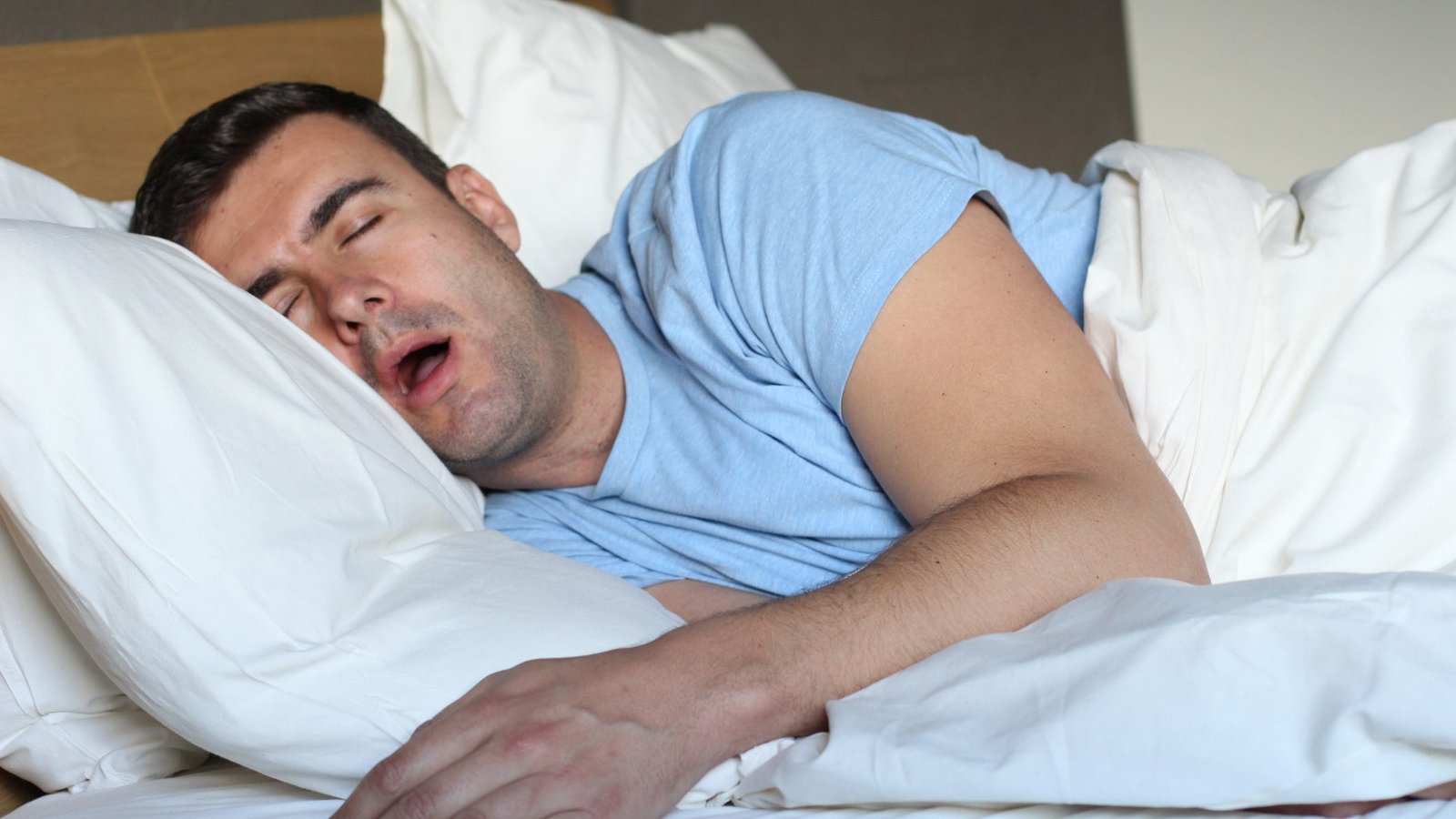
Waking up with saliva on your pillow isn’t exactly the most glamorous way to start a day, but if you do, you’re not alone
While drooling during sleep can conjure scary thoughts of a health problem, experts say the habit is nothing to worry about — though there are still certain signs to watch for.
The most common culprit of drooling during sleep is simple mouth-breathing, said Matthew Walker, a professor of neuroscience and biomedical engineering at the University of Texas at Dallas
“For most people, occasional drooling is utterly normal and harmless,” Walker says. “Your salivary glands don’t fully clock off at night, and if your mouth falls open, the rest is gravity − a damp patch on the pillow is usually just a laundry issue.”
Michael Perlis, a professor and director of the Behavioral Sleep Medicine program at the University of Pennsylvania, said that “everyone drools” and the habit likely stems from REM sleep, the sleep cycle stage characterized by temporary muscle paralysis
When should I be worried about drooling during sleep?
While drooling during sleep is largely harmless, waking up incredibly dehydrated or with a “painful dry mouth” could be cause for concern, Perlis said.
Drooling that is new, heavy, or persistent is something to note, though Walker said what accompanies the drool is the key sign
If there is loud snoring, gasping, and daytime exhaustion, it could be a sign of sleep apnea, while facial weakness, slurred speech, or trouble swallowing could indicate an underlying neurological issue and necessitate medical attention
“Mild and lifelong is cosmetic; drooling that changes is a messenger worth listening to,” Walker said
For example, excessive drooling can indicate chronic mouth-breathing from a blocked nose, acid reflux, or the side effect of certain medications
How can I stop drooling?
Because the most common cause is mouth-breathing, focusing on the airway is a quick fix.
“Treating nasal congestion, allergies, a cold, a deker said, adding that good hydration and managing reflux help as well
Changing your sleeping position can also limit drooling. Side and stomach sleepers drool the most, while back sleepers drool the least, though Walker said people committed to the otherwise “excellent” side-sleeping position should focus on the open mouth, not the posture.
Mouth guards and chin straps can also help
