


1
Earthquake in Granada today: aftershocks following the largest quake since 1956
2
Peru declares “emergency” in part of Lima and eight regions due to severe flooding
3
A new and strong earthquake shakes Granada and its metropolitan area again
4
Fly2Galicia announces eight new routes from Santiago starting in December with tickets from 19 euros
5
Experts predict that the earthquakes in Granada will lose strength after the magnitude 5 earthquake
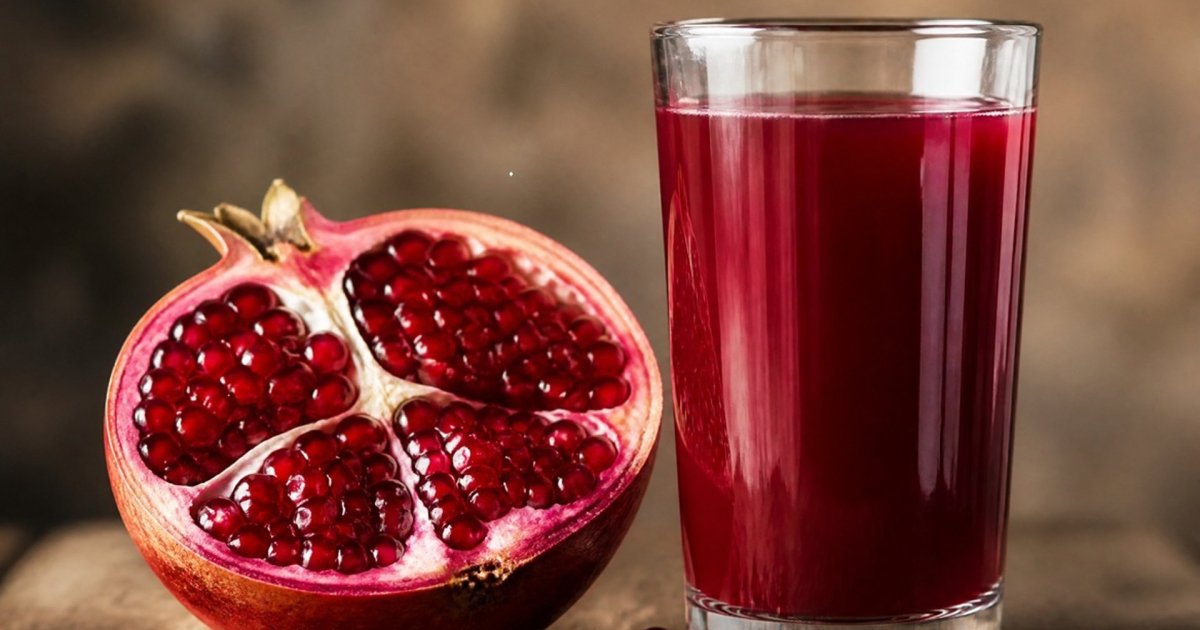
Two clinical trials recently published indicate that the intake of pomegranate juice may promote nighttime rest and decrease the craving for consumption in people with opioid addiction
The research has studied the impact of daily consumption of pomegranate juice in patients undergoing maintenance therapy with methadone or buprenorphine
The data obtained suggest that this beverage could play a role as a complementary nutritional intervention, with notable effects on craving, sleep quality, and various indicators of oxidative balance. For specialists, this would be the first nutritional strategy used as specific support for these patients
The first of the studies, published in “Substance Use & Addiction Journal,” included 58 participants. Of them, 40 consumed 250 ml daily of pomegranate juice for 120 consecutive days, while 18 were in the control group
The concentration of melatonin in saliva and sleep quality were measured at the beginning and on days 60 and 120 using the Pittsburgh Sleep Quality Index. At the end of the intervention period, melatonin increased in patients treated with methadone and in those treated with buprenorphine compared to the control group, while improvement in sleep quality was observed in patients receiving methadone.
The second study, published in “Clinical Nutrition ESPEN,” evaluated the effect of the same daily consumption of 250 ml of pomegranate juice for four months on the craving for opioids and on various redox biomarkers in blood
The 58 included patients completed the protocol. The study found a decrease in craving both in those undergoing treatment with methadone and in those receiving buprenorphine, with differences compared to the control group at 60 and 120 days. Additionally, changes compatible with an improvement in antioxidant capacity were detected, such as the increase in certain enzymatic activities and the reduction of oxidized proteins.
“The studies are very interesting from a scientific point of view because they conclude that the antioxidants in pomegranate, on one hand, improve sleep quality and increase the amount of melatonin, which ultimately leads to a lower compulsive desire to return to heroin use,” emphasized Juan José Cervantes, a medical expert in longevity at the Santa Teresa 8 Clinic in Murcia
According to Cervantes, consuming 250 ml of pomegranate juice daily, which is rich in antioxidants and polyphenols, without any other type of pharmacological treatment with side effects, is a simple way to approach consumers or ex-consumers undergoing treatment with methadone or buprenorphine. “With the problems caused by its consumption such as oxidative stress, psychosocial deterioration, and the rehabilitation it causes,” he added.
A simple and complementary aid to medication
Cervantes emphasizes that these findings are especially significant because sleep disturbances and the compulsive desire to consume can hinder the rehabilitation process
The first trial is based on the relationship between sleep problems and the risk of compulsive desire and relapse, while the second focuses on oxidative stress as one of the parameters linked to the clinical situation of these patients. Together, both studies position pomegranate juice as a possible nutritional support tool, but not as a treatment for addiction
The specialist links these results to the role of oxidative stress in recovery. “It seems that stress alters sleep quality and this increases the desire to consume again the next day,” Cervantes indicated, who added that nutritional intervention could help reduce this imbalance, something that the studies evaluated through biomarkers of oxidative stress
Cervantes also insists that the juice should not be interpreted as a substitute for pharmacological therapy. “This does not alter any other intervention with medication at all,” he states. The study on “craving,” in fact, expressly proposes the consumption of pomegranate juice as an auxiliary nutritional intervention and in parallel to treatment with methadone or buprenorphine
“It is a very simple intervention in terms of administration: a glass a day is very simple and beneficial for the patient,” he pointed out, while noting that the observed effects could be related to the set of compounds present in pomegranate, among which punicalagin stands out
The authors formulate their conclusions in terms of support for rehabilitation and not replacement of treatment. The sleep trial suggests that pomegranate could be considered an auxiliary intervention alongside medication in patients undergoing pharmacological treatment, while the study on “craving” indicates that the evidence obtained is promising and proposes juice as a complementary nutritional intervention in parallel to medication.
