



ETV Bharat / health
India’s Gut Is Different, And Scientists Now Have Data To Prove It
Inside SAMBAR, one of the largest and most geographically diverse studies that analysed the hidden diversity inside South Asian gut microbiomes
Each South Asian community appears to follow its own microbial journey, shaped by its culture, diet, geography and lifestyle (Getty Images)
ByETV Bharat Health Team
Published :August 31, 2026 at 10:32 AM IST
For years, a lot of the science around the gut microbiome has come from a relatively small part of the world. Researchers have studied what lives inside our intestines, how those microbes interact with our food and health, and what they might have to do with diseases such as obesity and diabetes. But there was a problem. South Asia was largely missing from the picture even though South Asia (which includes India, Pakistan, Bangladesh, Nepal, Bhutan, Sri Lanka, the Maldives, and Afghanistan) is home to nearly one-fourth of the world’s population and is experiencing a rapid rise in obesity, diabetes and other cardiometabolic diseases.
Now, one of the largest and most geographically diverse studies of its kind has found that the gut microbiomes of South Asian populations are distinct from those reported elsewhere in the world. More importantly, the microbiome does not appear to change in exactly the same way across different South Asian communities. Instead, each community appears to follow its own microbial journey, shaped by its culture, diet, geography and lifestyle. The finding could eventually influence how scientists approach microbiome-based diagnostics, personalised nutrition and precision healthcare for lifestyle disorders.
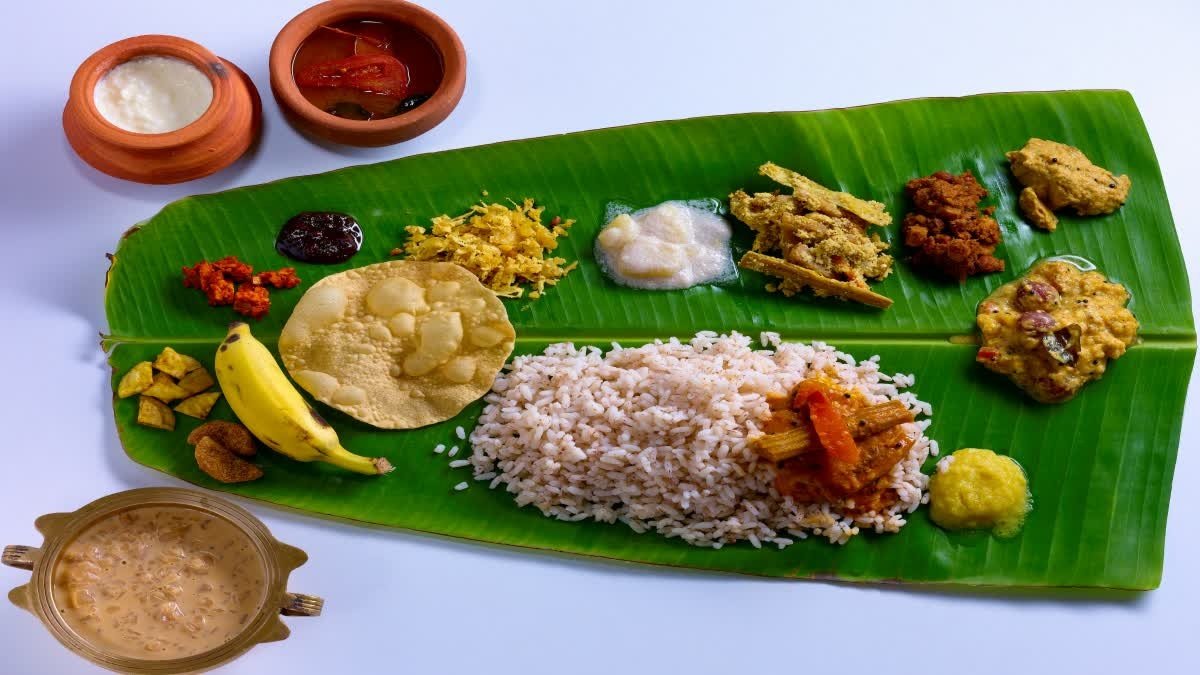
Dietary patterns within India itself are quite diverse (Getty Images)
Missing From Much of the Microbiome Research
The gut microbiome is essentially a vast community of microorganisms living inside the human digestive system. It interacts with the food we eat, our metabolism and several aspects of our health. Yet much of the existing microbiome research has focused on populations in Europe and North America
This becomes a problem when we try to apply those findings universally. People don’t eat the same food everywhere. They don’t live in the same environments. They don’t have identical lifestyles, cultures or patterns of urbanisation. South Asia is now undergoing rapid urbanisation while simultaneously seeing a sharp increase in obesity, diabetes and other cardiometabolic conditions. Scientists wanted to understand whether urbanisation changes the gut microbiome in the same way across different South Asian populations. The answer appears to be no.
Scientists from the Birbal Sahni Institute of Palaeosciences (BSIP), an autonomous institution of the Department of Science and Technology (DST), along with the University of Chicagoand collaborating institutions across India, Sri Lanka and the US, set out to map this diversity. Researchers collected stool samples from 575 healthy adults belonging to 10 culturally and geographically distinct South Asian communities. But they didn’t collect stool samples and stop there. The participants also provided information about their diet, lifestyle and health. This allowed researchers to examine how microbial differences were associated with factors such as geography, diet, urbanisation and metabolic health. The international project was led by Dr Niraj Rai, Group Head, Ancient DNA, BSIP, Lucknow. Field teams worked closely with local communities across India and Sri Lanka to recruit participants, collect biological samples and document lifestyle information.
New South Asian Microbiome Resource
The researchers analysed the samples using the South Asian MicroBiome ARray, or SAMBAR, which was launched for the first time in India by BSIP scientists. The gut microbiome was characterised through high-throughput DNA sequencing of bacterial 16S rRNA genes, followed by advanced bioinformatic analysis
Researchers then made two important comparisons:
- They compared rural and urban individuals within each community.
- Then, they compared the South Asian microbiomes with global microbiome datasets.
This allowed the team to look not only at what was different between populations, but also at how those differences related to changing lifestyles. There wasn’t one universal South Asian microbiome. Instead, the researchers found that each community followed its own unique microbiome trajectory. Local culture, diet, geography and lifestyle all appeared to shape the microbial composition. A person living in one South Asian community may have a very different dietary pattern, environment and lifestyle from someone living hundreds or thousands of kilometres away. Their gut microbes, naturally, may respond differently.
Also read:
Urbanisation also doesn’t affect everyone in exactly the same way. The study identified both community-specific microbial signatures and common microbial changes associated with urbanisation and metabolic health
The study, published in Gut Microbes, provides what researchers describe as the first baseline gut microbiome data from healthy individuals in India, with potentially significant medical and evolutionary implications. South Asia has been underrepresented in global microbiome research despite accounting for nearly a quarter of the world’s population. This study begins to fill that gap. South Asia is experiencing a major increase in lifestyle-related diseases, including diabetes, obesity and cardiovascular disease. If the gut microbiome influences metabolic health, then understanding how it differs between populations could become important for prevention and treatment.
A diet or microbiome-based intervention developed using data from a Western population may not necessarily produce the same results in a South Asian population. The study therefore suggests that future microbiome-based therapies may need to be tailored to regional populations, rather than assuming that one approach will work everywhere
Source:
https://pmc.ncbi.nlm.nih.gov/articles/PMC12871693/
Also read:
