


08 Jun 2026 11:59 WIB · English
This article has been translated using AI. See original.
Sleep has long been regarded as a personal matter. If someone feels drowsy at the office or fatigued while working, it is considered a consequence of their own lifestyle choices
However, scientists are now warning that this perspective is no longer adequate. Insufficient sleep has evolved into a public health issue that affects economic productivity, quality of life, and even environmental sustainability
In an article published in the journal Cell Reports Medicine in May 2026, an international team of researchers led by Masoud Tahmasian from the Institute of Neuroscience and Medicine–Brain and Behavior (INM-7), Forschungszentrum Jülich, Germany, called for a fundamental change in the way the world views sleep
They introduced a new concept called One Sleep Health, an approach that positions sleep as a component of overall health. “Sleep is not just a personal matter, but a fundamental prerequisite for the health, performance, and resilience of society,” said Tahmasian
“However, our modern environment is increasingly moving away from the biological conditions that allow for healthy sleep,” he added
That statement may sound simple. However, its implications are significant. If sleep health is influenced by social, economic, and ecological environments, sleep issues can no longer be solely attributed to the individual. It becomes a shared responsibility
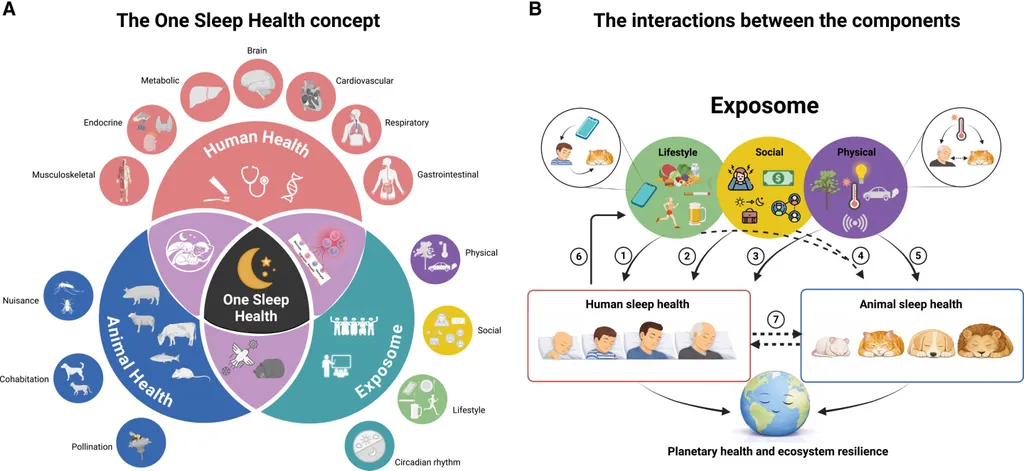
The One Sleep Health concept stems from the one health approach, which has been used for many years to explain the close relationship between human, animal, and environmental health
Initially, this approach developed in the study of zoonotic diseases, such as athat human health has never existed in isolation. Changes in the environment will affect animals, and changes in animals will ultimately also affect humans

Researchers are now expanding this concept into the realm of sleep. According to them, many factors that make it difficult for humans to sleep also disrupt the biological rhythms of animals. Artificial light from urban areas, traffic noise, rising nighttime temperatures due to climate change, and human activities occurring 24 hours a day affect the resting patterns of various species
Birds in large cities are known to start singing earlier due to streetlights that remain on throughout the night. Bats have altered their hunting patterns as a result of urban lighting. Pollinating insects are losing their orientation because of light pollution
These disturbances may seem triems change, humans also feel the impact. “Future health approaches must acknowledge that the sleep of humans, animals, and the environment are interconnected,” the researchers wrote
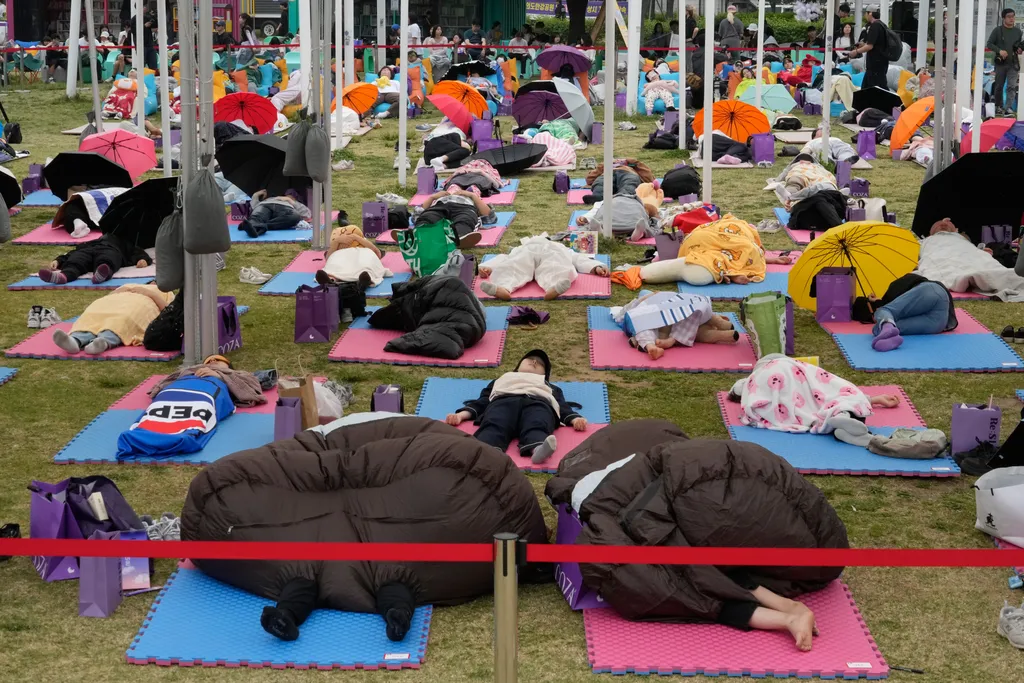
In the article, scientists describe the emergence of a sleep epidemic that is silently worsening public health. The cause is not a single factor, but rather a combination of exposures they call the exposome
Physical exposome includes light pollution, noise, air pollution, and rising temperatures. Social exposome encompasses shift work, long working hours, economic pressure, and a digital culture that keeps people constantly connected. Meanwhile, lifestyle exposome includes stress, lack of exercise, poor diet, alcohol consumption, smoking, and caffeine
“Sleep health is shaped by a complex interaction of environmental, social, and lifestyle factors throughout a person’s life,” wrote Tahmasian and his colleagues
“Therefore, solutions to the sleep crisis cannot be limited to changes in individual behavior,” he added
This means that a person may have tried to go to bed earlier, but still fails to get enough rest due to a noisy living environment, excessively hot room temperature, or work demands that require them to always be on alert
Most studies indicate that adults require 7-9 hours of sleep each night. However, sleep needs remain individual and are influenced by age, health conditions, physical activity, stress, and genetic factors
A study of nearly 500,000 people published in Nature Aging in 2022 found that around seven hours of sleep per night was associated with better cognitive function and mental health in middle-aged and older adults. Those who slept significantly below or above that figure tended to have poorer scores on memory, concentration, and mental health
Meanwhile, a recent study in Nature in 2026, which examined biological aging, found that the slowest rate of aging occurred in people who slept 6.4-7.8 hours per night
One of the most concerning threats is climate change. The human body requires a decrease in core temperature before it can enter a deep sleep phase. When nighttime temperatures rise, this biological process becomes disrupted
Research in One Earthin 2022 by Kelton Minor of the Copenhagen Center for Social Data Science (SODAS), University of Copenhagen, and colleagues showed that increasing nighttime temperatures consistently reduce human sleep duration in various parts of the world
A study analyzing billions of sleep records estimates that by the end of this century, humans could lose 50-58 hours of sleep each year due to global warming
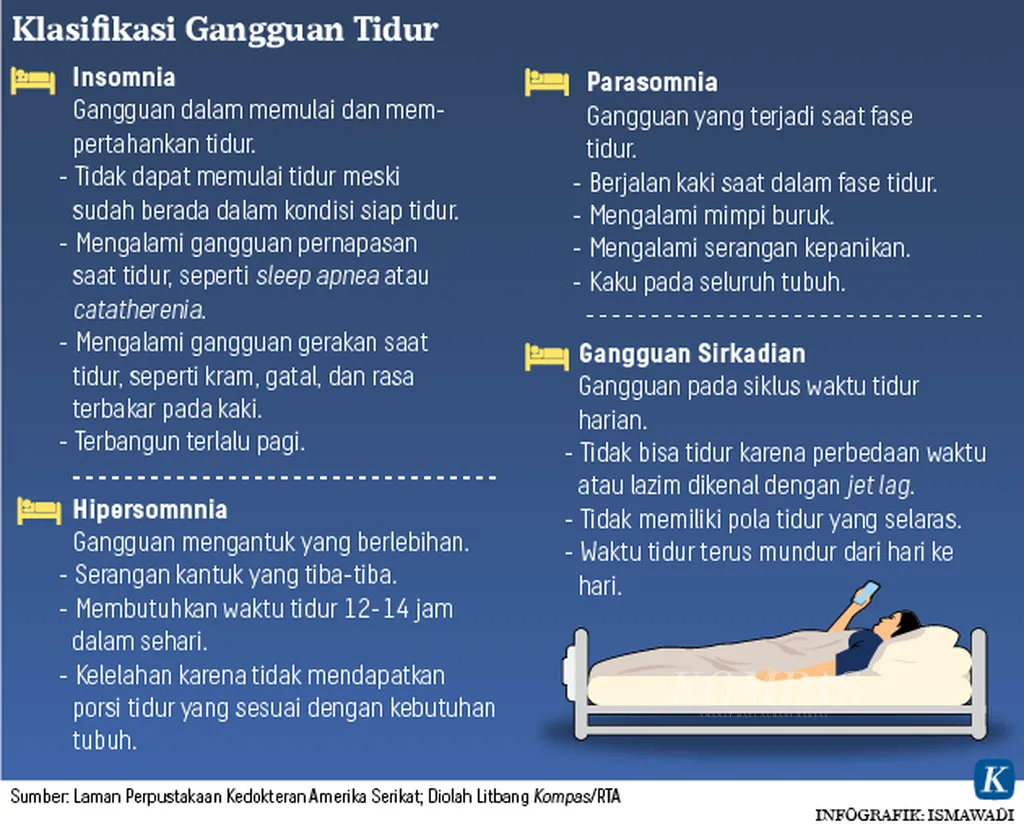
The impacts of insufficient sleep are not uniform. The elderly, women, and residents of low-income countries are estimated to be the most vulnerable groups. In other words, climate change not only increases the risks of floods, droughts, or crop failures. It also gradually undermines the quality of human rest
The consequences of insufficient sleep extend far beyond morning drowsiness. Over the past two decades, research has shown that lack of sleep increases the risk of hypertension, heart disease, stroke, obesity, type 2 diabetes, depression, anxiety disorders, and various other chronic illnesses
Sleep also plays a vital role in maintaining brain health. When a person falls asleep, the brain activates a cleansing system known as the glymphatic system. This system helps remove metabolic waste, including the beta-amyloid protein linked to Alzheimer’s disease
When sleep is chronically disrupted, this cleansing process becomes less effective. Matthew Walker, a professor of neuroscience and psychology at the University of California, Berkeley, who has spent years researching the biological functions of sleep, wrote in his book, Why We Sleep, that sleep is “the most effective thing we can do to restore our brains and bodies every day.”
According to him, sleep is a pillar of health that is as important as nutrition and physical activity. Walker even argues that there is almost no system in the human body that is not affected by the quality of sleep

Lack of sleep also comes at a high cost. A report by RAND Europe estimates that insufficient sleep results in an economic loss of approximately 680 billion US dollars each year in five major industrial countries: the United States, Japan, the United Kingdom, Germany, and Canada
The losses stem from increased absenteeism, decreased productivity, rising accident rates, and escalating healthcare costs. “Individuals who get insufficient sleep tend to exhibit lower productivity, higher accident risks, and worse health conditions,” wrote researchers from RAND Europe
History even records several major disasters associated with fatigue due to lack of sleep. Investigations into the Three Mile Island nuclear accident, the Chernobyl tragedy, and the Exxon Valdez oil spill found that operator fatigue was one of the contributing factors to human error
In a modern economy that relies on concentration, creativity, and quick decision-making, lack of sleep is no longer a triy
Therefore, researchers introduced the concept of sleep capital. This idea views sleep as a social asset that generates benefits for health, the economy, and collective well-being

Communities that get enough sleep tend to be healthier, more productive, have lower healthcare costs, and are better able to adapt to social and environmental pressures. In this context, investing in the quality of people’s sleep is as important as investing in education, sanitation, or public infrastructure
Researchers have proposed various measures, ranging from education about sleep in schools, work hours that are more accommodating to human biological rhythms, to the reduction of light and noise pollution in urban areas. Furthermore, they suggest incorporating sleep health into public health agendas and climate change adaptation strategies
They also called for broader collaboration among neurologists, doctors, psychologists, epidemiologists, environmental scientists, urban planners, and veterinarians. “We need a global perspective on sleep health,” said Tahmasian
“Quality sleep does not only occur in the bedroom; quality sleep is also shaped by our cities, our workplaces, and our environment, and therefore also by political decisions,” he stated
The statement serves as a reminder that sleep is not merely an individual matter of turning off the lights before bed. The quality of sleep is determined by how cities are built, how work is organized, how technology is utilized, and how the government implements policies
Sleep has long been regarded as a personal matter. If someone feels drowsy at the office or fatigued while working, it is considered a consequence of their own lifestyle choices
However, scientists are now warning that this perspective is no longer adequate. Insufficient sleep has evolved into a public health issue that affects economic productivity, quality of life, and even environmental sustainability
In an article published in the journal Cell Reports Medicine in May 2026, an international team of researchers led by Masoud Tahmasian from the Institute of Neuroscience and Medicine–Brain and Behavior (INM-7), Forschungszentrum Jülich, Germany, called for a fundamental change in the way the world views sleep
They introduced a new concept called One Sleep Health, an approach that positions sleep as a component of overall health. “Sleep is not just a personal matter, but a fundamental prerequisite for the health, performance, and resilience of society,” said Tahmasian
“However, our modern environment is increasingly moving away from the biological conditions that allow for healthy sleep,” he added
That statement may sound simple. However, its implications are significant. If sleep health is influenced by social, economic, and ecological environments, sleep issues can no longer be solely attributed to the individual. It becomes a shared responsibility
The One Sleep Health concept stems from the one health approach, which has been used for many years to explain the close relationship between human, animal, and environmental health
Initially, this approach developed in the study of zoonotic diseases, such as athat human health has never existed in isolation. Changes in the environment will affect animals, and changes in animals will ultimately also affect humans
Researchers are now expanding this concept into the realm of sleep. According to them, many factors that make it difficult for humans to sleep also disrupt the biological rhythms of animals. Artificial light from urban areas, traffic noise, rising nighttime temperatures due to climate change, and human activities occurring 24 hours a day affect the resting patterns of various species
Birds in large cities are known to start singing earlier due to streetlights that remain on throughout the night. Bats have altered their hunting patterns as a result of urban lighting. Pollinating insects are losing their orientation because of light pollution
These disturbances may seem triems change, humans also feel the impact. “Future health approaches must acknowledge that the sleep of humans, animals, and the environment are interconnected,” the researchers wrote
In the article, scientists describe the emergence of a sleep epidemic that is silently worsening public health. The cause is not a single factor, but rather a combination of exposures they call the exposome
Physical exposome includes light pollution, noise, air pollution, and rising temperatures. Social exposome encompasses shift work, long working hours, economic pressure, and a digital culture that keeps people constantly connected. Meanwhile, lifestyle exposome includes stress, lack of exercise, poor diet, alcohol consumption, smoking, and caffeine
“Sleep health is shaped by a complex interaction of environmental, social, and lifestyle factors throughout a person’s life,” wrote Tahmasian and his colleagues
“Therefore, solutions to the sleep crisis cannot be limited to changes in individual behavior,” he added
This means that a person may have tried to go to bed earlier, but still fails to get enough rest due to a noisy living environment, excessively hot room temperature, or work demands that require them to always be on alert
Most studies indicate that adults require 7-9 hours of sleep each night. However, sleep needs remain individual and are influenced by age, health conditions, physical activity, stress, and genetic factors
A study of nearly 500,000 people published in Nature Aging in 2022 found that around seven hours of sleep per night was associated with better cognitive function and mental health in middle-aged and older adults. Those who slept significantly below or above that figure tended to have poorer scores on memory, concentration, and mental health
Meanwhile, a recent study in Nature in 2026, which examined biological aging, found that the slowest rate of aging occurred in people who slept 6.4-7.8 hours per night
One of the most concerning threats is climate change. The human body requires a decrease in core temperature before it can enter a deep sleep phase. When nighttime temperatures rise, this biological process becomes disrupted
Research in One Earthin 2022 by Kelton Minor of the Copenhagen Center for Social Data Science (SODAS), University of Copenhagen, and colleagues showed that increasing nighttime temperatures consistently reduce human sleep duration in various parts of the world
A study analyzing billions of sleep records estimates that by the end of this century, humans could lose 50-58 hours of sleep each year due to global warming
The impacts of insufficient sleep are not uniform. The elderly, women, and residents of low-income countries are estimated to be the most vulnerable groups. In other words, climate change not only increases the risks of floods, droughts, or crop failures. It also gradually undermines the quality of human rest
The consequences of insufficient sleep extend far beyond morning drowsiness. Over the past two decades, research has shown that lack of sleep increases the risk of hypertension, heart disease, stroke, obesity, type 2 diabetes, depression, anxiety disorders, and various other chronic illnesses
Sleep also plays a vital role in maintaining brain health. When a person falls asleep, the brain activates a cleansing system known as the glymphatic system. This system helps remove metabolic waste, including the beta-amyloid protein linked to Alzheimer’s disease
When sleep is chronically disrupted, this cleansing process becomes less effective. Matthew Walker, a professor of neuroscience and psychology at the University of California, Berkeley, who has spent years researching the biological functions of sleep, wrote in his book, Why We Sleep, that sleep is “the most effective thing we can do to restore our brains and bodies every day.”
According to him, sleep is a pillar of health that is as important as nutrition and physical activity. Walker even argues that there is almost no system in the human body that is not affected by the quality of sleep
Lack of sleep also comes at a high cost. A report by RAND Europe estimates that insufficient sleep results in an economic loss of approximately 680 billion US dollars each year in five major industrial countries: the United States, Japan, the United Kingdom, Germany, and Canada
The losses stem from increased absenteeism, decreased productivity, rising accident rates, and escalating healthcare costs. “Individuals who get insufficient sleep tend to exhibit lower productivity, higher accident risks, and worse health conditions,” wrote researchers from RAND Europe
History even records several major disasters associated with fatigue due to lack of sleep. Investigations into the Three Mile Island nuclear accident, the Chernobyl tragedy, and the Exxon Valdez oil spill found that operator fatigue was one of the contributing factors to human error
In a modern economy that relies on concentration, creativity, and quick decision-making, lack of sleep is no longer a triy
Therefore, researchers introduced the concept of sleep capital. This idea views sleep as a social asset that generates benefits for health, the economy, and collective well-being
Communities that get enough sleep tend to be healthier, more productive, have lower healthcare costs, and are better able to adapt to social and environmental pressures. In this context, investing in the quality of people’s sleep is as important as investing in education, sanitation, or public infrastructure
Researchers have proposed various measures, ranging from education about sleep in schools, work hours that are more accommodating to human biological rhythms, to the reduction of light and noise pollution in urban areas. Furthermore, they suggest incorporating sleep health into public health agendas and climate change adaptation strategies
They also called for broader collaboration among neurologists, doctors, psychologists, epidemiologists, environmental scientists, urban planners, and veterinarians. “We need a global perspective on sleep health,” said Tahmasian
“Quality sleep does not only occur in the bedroom; quality sleep is also shaped by our cities, our workplaces, and our environment, and therefore also by political decisions,” he stated
The statement serves as a reminder that sleep is not merely an individual matter of turning off the lights before bed. The quality of sleep is determined by how cities are built, how work is organized, how technology is utilized, and how the government implements policies
