


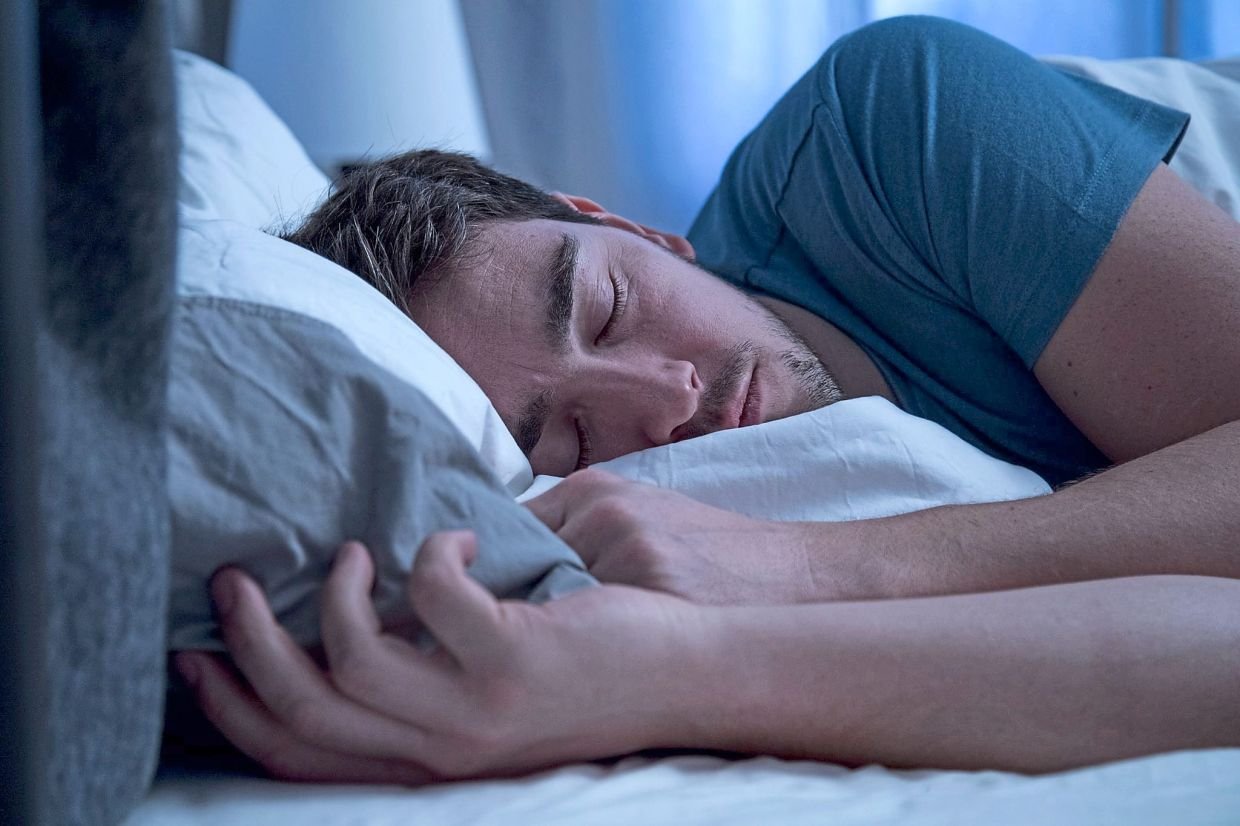
Many a pop song has nudged us to turn the lights down low, but for cardiovascular (heart) health, the better choice is to keep them off entirely it seems, with new research suggesting that pitch black is best of all for sleep
According to researchers at Tulane University in the United States who looked at health data spanning three years for around 11,000 people in Britain, “even small amounts of nighttime light exposure” can be linked to “potentially harmful changes in the heart’s structure and function”
Published in the European Heart Journal, the research suggests that even hallway lighting seeping through a door left ajar can have a negative effect
The same goes for light from a phone screen left on a bedside table – a warning that follows multiple studies suggesting that it is best to put phones and screens away well in advance of sleep and avoid bedtime scrolling
“Light pollution has emerged as a new risk factor for cardiovascular disease,” said study corresponding author and Tulane HCA Regents Distinguished Chair Prof Dr Lu Qi
He added that the findings “should be considered” when it comes to heart disease prevention plans
Participants wore a wrist sensor for a week to track nocturnal light, with some exposed to 0 lux or “near total darkness”
Lux is the SI unit for illuminance, or the total amount of light that falls onto and spreads across a specific surface area
Others were put to sleep amid “varying levels of light” up to 3 lux
This. the researchers said, is around the same as a phone screen at low brightness on a nightstand or a hallway light left on outside a cracked door
ALSO READ: Those LED street lamps may be disturbing your sleep
Cardiovascular magnetic resonance scans carried out three years later showed that participants exposed to the highest levels of nighttime light had thicker left ventricle walls, meaning less space in the ventricle, along with indications of reduced flexing during heartbeats
In their paper, the researchers noted that previous research showed how light at night leads to “shortening sleep duration” and the disruption of circadian rhythms, which themselves can affect heart functioning
Sleep disruption, if left unchecked, has in turn been widely linked to cognitive decline and physical ill health related to effects on the immune system and resistance to inflammation
“The advice is simple and inexpensive: blackout curtains, warm-coloured bedside lighting, and covering the small standby LEDs on household electronics,” said Germany’s University Medical Center Mainz senior professor and environmental cardiologist Dr Thomas Münzel, who was not involved in the study. – dpa
