


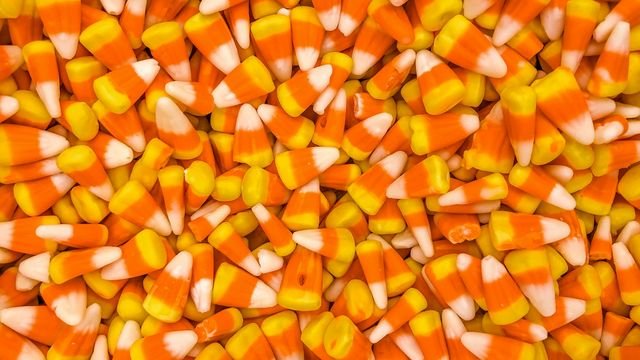
What Does Halloween Candy Do to Your Gut Microbiome?
A trick or a treat? For your gut microbes, too much sugar might be a spooky sight
Credit: Mary Jane Duford / Unsplash.
Listen with
Speechify
0:00
Register or log In for free to listen to this article
Halloween is a time for spooky costumes, devilish tricks, and—increasingly—buckets full of candy
Whether you earned your sweets through door-to-door trick-or-treating, or you are enjoying the leftovers you didn’t hand out the night before, Halloween will likely mean an uptick in the number of sweets you’ll eat this winter
But while these sweets might be a “treat” for you, a growing body of research papers suggests the influx of sugar and sweeteners might be a “trick” for the trillions of microorganisms that make up your gut microbiome.
Sweeteners slow the growth of important gut bacteria
The gut microbiome plays a very important role in protecting human health. Microbes in the digestive tract are responsible for breaking down complex fibers and starches that normal human digestive enzymes cannot deal with on their own. Gut bacteria also have a significant impact on human immune and metabolic health; dietary alterations such as fasting have been shown to alter the levels of beneficial gut bacteria and amino acid metabolites linked to fat oxidation.
In a new study led by researchers at the University of Cambridge, scientists found that commonly used sweeteners can slow the growth of certain beneficial gut bacteria, such as those responsible for regulating blood sugar
The study examined interactions between 25 gut bacterial strains and 39 commercial sweeteners that are commonly found in low-calorie sweets, soft drinks, and other confectionery products. In addition to being tested alone, the sweetener–bacteria interactions were also tested in combination with other frequently co-consumed compounds, including the stimulant caffeine, the flavoring agent vanillin, and the antidepressant duloxetine.
When tested individually, the researchers found that approximately three-quarters of the sweeteners affected the growth of at least one bacterial species tested, with many slowing or completely stopping the growth of bacterial strains related to gut health. In combination, the researchers found over 100 interactions between sweeteners and co-consumed substances. Most relevant of these was a combination of isosteviol—a sweetener derived from stevia—and duloxetine, which together suppressed the action of two important gut bacteria linked to blood sugar control and metabolism.
“Sweeteners are often marketed as metabolically neutral, but our study challenges this idea. We found that they can directly affect gut bacteria, particularly when mixed with other compounds such as medication and food additives. These common combinations could have unintended effects on our gut microbiome,” said lead author Dr. Sonja Blasche, a senior research associate at the University of Cambridge’s MRC Toxicology Unit.
On antibiotics? Sugar could amplify damage to the gut microbiome
Sweeteners are not the only thing we consume that might disrupt the growth and regular function of microbiota in the gut. Antibiotics are among the most prescribed drugs globally, and while they do provide an important function in treating bacterial infections, broad-spectrum antibiotics can also disturb the delicate microbial ecosystem in the gut. Such antibiotic-induced gut dysbiosis may cause a decline in gut microbial diversity, with consequences for future infection risk and antibiotic resistance.
Now, scientists believe that a higher intake of sugar-rich foods may also exacerbate this antibiotic-induced dysfunction
In a paper published in Nature, scientists tracked more than 9,000 meals consumed by 173 hospitalized patients who were receiving antibiotics and chemotherapy treatments while awaiting bone marrow transplants. While microbiome perturbation is expected during hospitalization and treatment—largely due to the administration of antibiotics—the researchers were interested in examining whether nutrition was a contributing factor to microbiome modulation.
“The microbiome is associated with many human health conditions, but causality is sometimes still unclear,” study author Dr. Jonas Schluter, assistant professor in the Department of Microbiology at NYU Langone, previously told Technology Networks. “In extremely vulnerable patients, like blood cancer patients, these causal effects can be amplified.”
In applying Bayesian causal inference to data from 158 patients with paired longitudinal microbiome samples, the researchers found that higher intake of sweets and sugars during antibiotic treatments was a predicting factor for exacerbated microbial dysbiosis. Specifically, every 100-gram increase in sugar intake in the 48 hours before antibiotic treatment was linked to an additional 21% reduction in α-diversity, which is an important measure of the richness and diversity of bacterial species in a patient’s microbiome. Those with a high-sugar diet also had a greater expansion of Enterococcus faecium, a pathogen which is known to play a role in causing antibiotic-resistant bloodstream infections.
While the generalizability of these findings will require further study, Schluter believes that it may be good general practice to curb sugar intake while following a course of antibiotics
“Even for healthy individuals, there is a cost to the microbiome damage caused by antibiotics, and it is a very low-risk change to lifestyle to temporarily reduce the intake of dietary sweets and sugars whilst taking antibiotics,” said Schluter.
Gut bacteria may control candy cravings
Resolving to cut down on sugar and sweetener intake is one thing—actually following through is another. And, unhelpfully, your gut microbiome might also play a role in why you are craving a sweet treat in the first place
There are multiple studies suggesting that a person’s gut microbiome may have some effect on their eating behaviors and preferences. A 2007 study published in the Journal of Proteome Research found distinct differences in microbial metabolites in the bodies of “chocolate desiring” and “chocolate indifferent” individuals. It has also been suggested that some of the changes in taste perception reported following gastric bypass surgery may be due, in part, to the surgery’s effects on the gut microbiome.
A 2026 study published in Nature Microbiology suggests that gut bacteria may also drive sugar cravings specifically, through a similar pathway as used by weight loss drugs
In this study, researchers examined both patients and mouse models, finding that levels of a protein called free fatty acid receptor four (FFAR4) were decreased in both the patients and mouse models with diabetes, as compared to their healthy peers. Further genetic and behavioral experiments in the mice demonstrated that mice with FFAR4 deficiencies showed an increased preference for natural sugars such as sucrose, while those with FFAR4 overexpression displayed reduced sugar craving behaviors.
The mice with FFAR4 deficiency were also found to have reduced levels of Bacteroides vulgatus and its metabolite pantothenate in their gut microbiomes. Pantothenate is known to stimulate the secretion of glucagon-like peptide-1 (GLP-1), which in turn stimulates the hormone FGF21; together, GLP-1 and FGF21 regulate sugar consumption and glucose metabolism. Finally, after restoring B. vulgatus in the FFAR4-deficient mice through microbiota transplantation, the researchers saw that the mice once again reduced their sugar consumption.
Sweets—a trick or a treat?
While eating excess sugar and sweeteners may not be beneficial to the gut, other sweet treats have been linked to beneficial effects; for example, the mood-boosting effects of dark chocolate may be due to changes in gut microbial diversity affecting the gut–brain axis
It is also important to note that while the gut microbiome can be affected by long-term dietary habits, gut microbiota are generally resilient to daily fluctuations in what we eat. Shorter-term dietary changes often exert only temporary changes in the gut microbiome.
Add Technology Networks as a preferred Google source to see more of our trusted coverage.
