


September 23, 2026
Poor sleep during pregnancy is linked to an unexpected growth pattern in babies
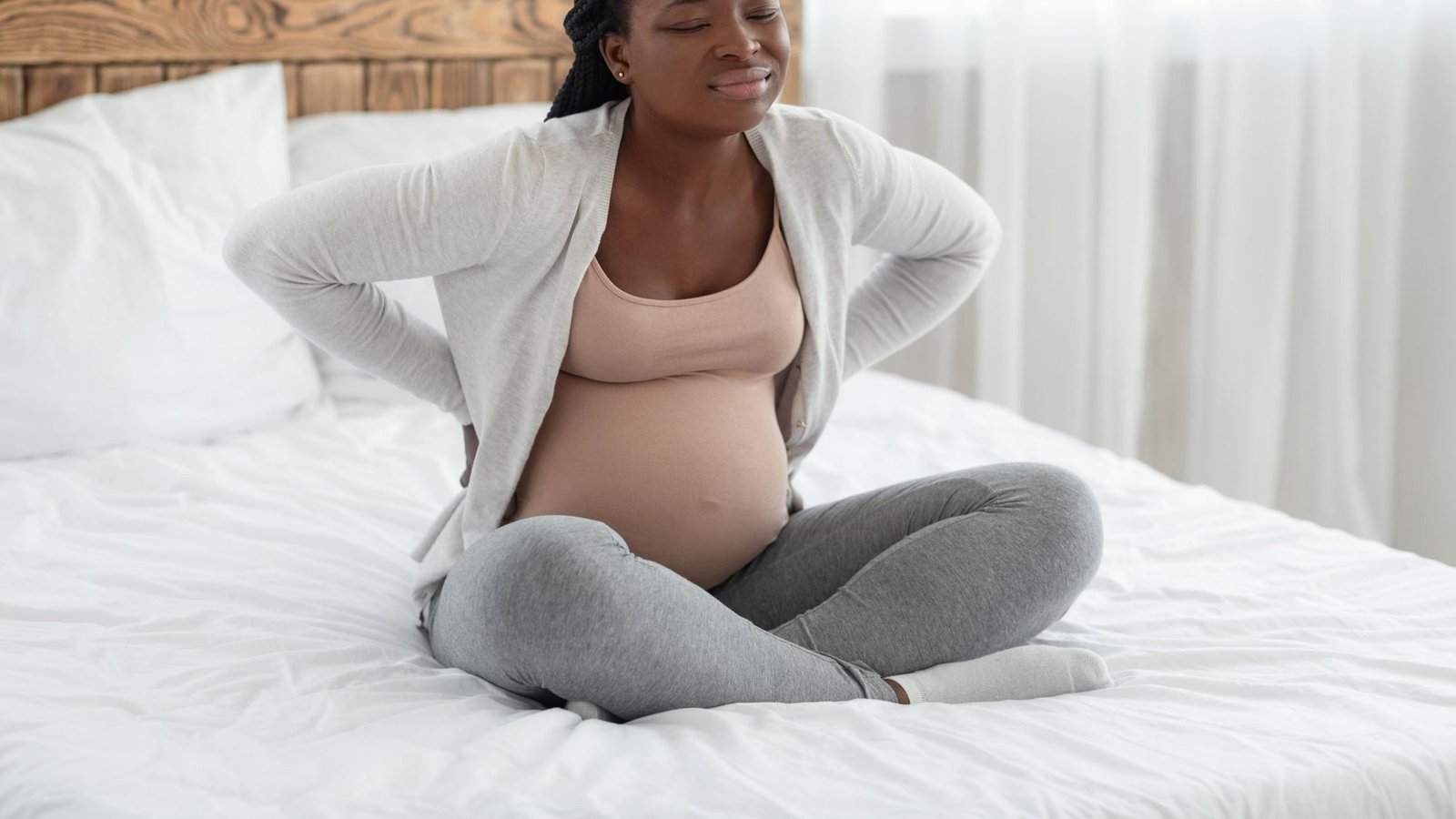
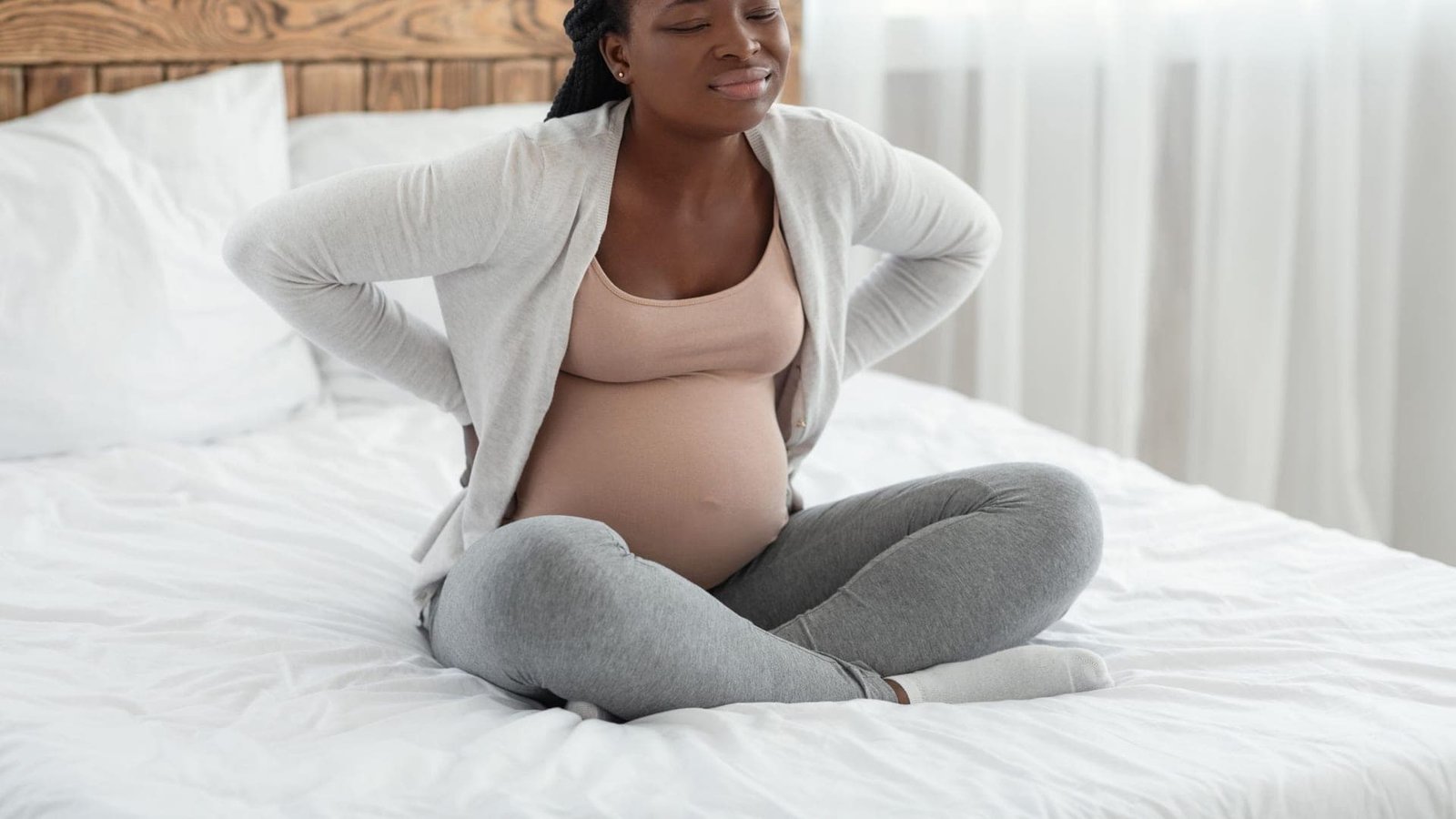
Sleep can be difficult during pregnancy, especially in the final months. Physical discomfort can make it harder to fall asleep, stay asleep, or feel rested in the morning
Poor sleep is usually discussed because of how it affects the mother. But researchers are also asking whether sleep during pregnancy may be linked with how a baby grows after birth
A new analysis of families in Los Angeles has revealed an interesting pattern
Babies whose mothers reported the poorest sleep late in pregnancy tended to weigh a little less during their first months, then gained more weight during their second year of life
The finding does not mean that bad sleep during pregnancy will make a child heavier. It does suggest that sleep may be one part of a much bigger picture shaping early growth
Babies are supposed to gain weight quickly. A growing number on the scale is normally a healthy and expected part of infancy
Researchers are often interested in something more specific: how that weight changes over time
A baby who starts at a lower weight and then gains weight very quickly may be following a different growth path from one whose weight rises more steadily
Earlier research has linked rapid weight gain during infancy with a greater chance of excess weight later in childhood
This made the researchers wonder whether sleep during pregnancy could be connected with early growth patterns
They studied 645 mother-child pairs from the Maternal and Developmental Risks from Environmental and Social Stressors project, known as MADRES
Most of the mothers were Hispanic and lived in the Los Angeles area
The researchers did not rely on a single weigh-in. They used 6,176 measurements of children’s weight and length from birth through age two
Some measurements came from medical records, while others were taken during follow-up visits
Having repeated measurements allowed the team to see how each child’s growth changed over time
Late in pregnancy, the mothers also completed a short questionnaire called the Jenkins Sleep Scale. It gave each woman a score from zero to 20, with higher scores meaning more problems with sleep
The questionnaire was completed at about 32 weeks of pregnancy on average
Around 26 percent of the mothers had scores that the researchers classified as poor sleep quality
The questionnaire gave the researchers a general picture of sleep problems, but it could not show exactly what was going wrong
For example, it could not separate women who slept too few hours from those who woke often during the night. It also could not identify problems such as sleep apnea
This is important because the researchers were studying self-reported sleep quality, not sleep measured in a laboratory or with a wearable device
They also considered several other things that can influence a child‘s growth
These included the mother’s age and weight before pregnancy, education, previous births, the child’s sex, and whether the baby was born early
At first, babies whose mothers reported the poorest sleep were not heavier
They actually tended to have lower predicted weights from birth through about six months. After that, the pattern began to change
During the following months, these children caught up and then became heavier than children whose mothers reported relatively good sleep
From about 11 to 22 months, children linked with very poor maternal sleep weighed about 1.25 pounds (567.9 grams) more on average
At one year old, the estimated difference was about 12.2 ounces (346.7 grams). The largest difference appeared at 17 months, when it reached about 1.66 pounds (751.5 grams)
Other ways of comparing children’s weight with what is typical for their age or length showed a similar pattern
The connection was clearer among boys
From 11 to 21 months, boys linked with poorer maternal sleep were about 1.44 pounds (651.2 grams) heavier on average than boys linked with better maternal sleep
The difference was less clear among girls after about one year. It was also stronger among babies born at full term
Only 56 children in the analysis were born before 37 weeks of pregnancy. Because this group was small, there is more uncertainty around those results
Preterm babies also commonly go through a period of catch-up growth. That natural growth pattern could make the connection with maternal sleep harder to see
Carrie V. Breton, the study’s senior author, is a professor at Washington University in St. Louis
She and her colleagues discussed several possible reasons why maternal sleep and childhood growth could be connected
“Our research supports the notion that exposures during critical developmental windows of pregnancy can program offspring health,” Professor Breton said
“Several biological mechanisms may link late-pregnancy sleep health to children’s weight trajectories
“For instance, poor sleep may affect maternal or child metabolic health programming, or both, which in turn could affect neonatal fat mass distribution and lead to abnormal lipid profiles or higher inflammation
“Alternatively, stress pathways associated with higher childhood obesity risk may also play a role.”
In simpler terms, poor sleep might be connected with changes in how the mother’s or baby’s body handles energy, fat, inflammation, or stress. But this study did not directly test those possible biological changes
The researchers also considered whether life after birth could explain what they were seeing
They repeated their calculations while taking breastfeeding duration, early introduction of food or juice, and prenatal depressive symptoms into account. The main growth pattern remained similar
That does not mean feeding habits have no effect on childhood growth
Some feeding information was missing, and many parts of children’s daily lives were not measured in detail
The study cannot show that poor sleep during pregnancy caused children to gain weight faster
The mothers reported their own sleep, and sleep was measured only during late pregnancy. The researchers did not continuously track sleep across pregnancy
They also did not fully measure factors such as maternal diet, specific sleep disorders, children’s diets, children’s own sleep, parenting practices, physical activity, or every
Any of these could have played some role
The children were followed only until age two. The researchers did not show that they developed obesity, and they did not directly measure how much of their weight came from body fat
Lead author Dr. Xiaoran Yang completed her doctoral work at the Keck School of Medicine of the University of Southern California
She said sleep may deserve more attention during routine pregnancy care
“Poor sleep health in pregnancy is common and often overlooked, and our findings suggest that monitoring it in routine prenatal care could be a simple and powerful step toward healthier growth for the next generation,” Dr. Yang said
For now, the findings suggest that sleep during pregnancy may deserve more attention in research and prenatal care
More research is needed to determine whether improving sleep can affect how children grow
The study is published in the American Journal of Preventive Medicine
—–
Like what you read? Subscribe to our newsletter for engaging articles, exclusive content, and the latest updates
Check us out on EarthSnap, a free app brought to you by Eric Ralls and Earth.com
—–
