


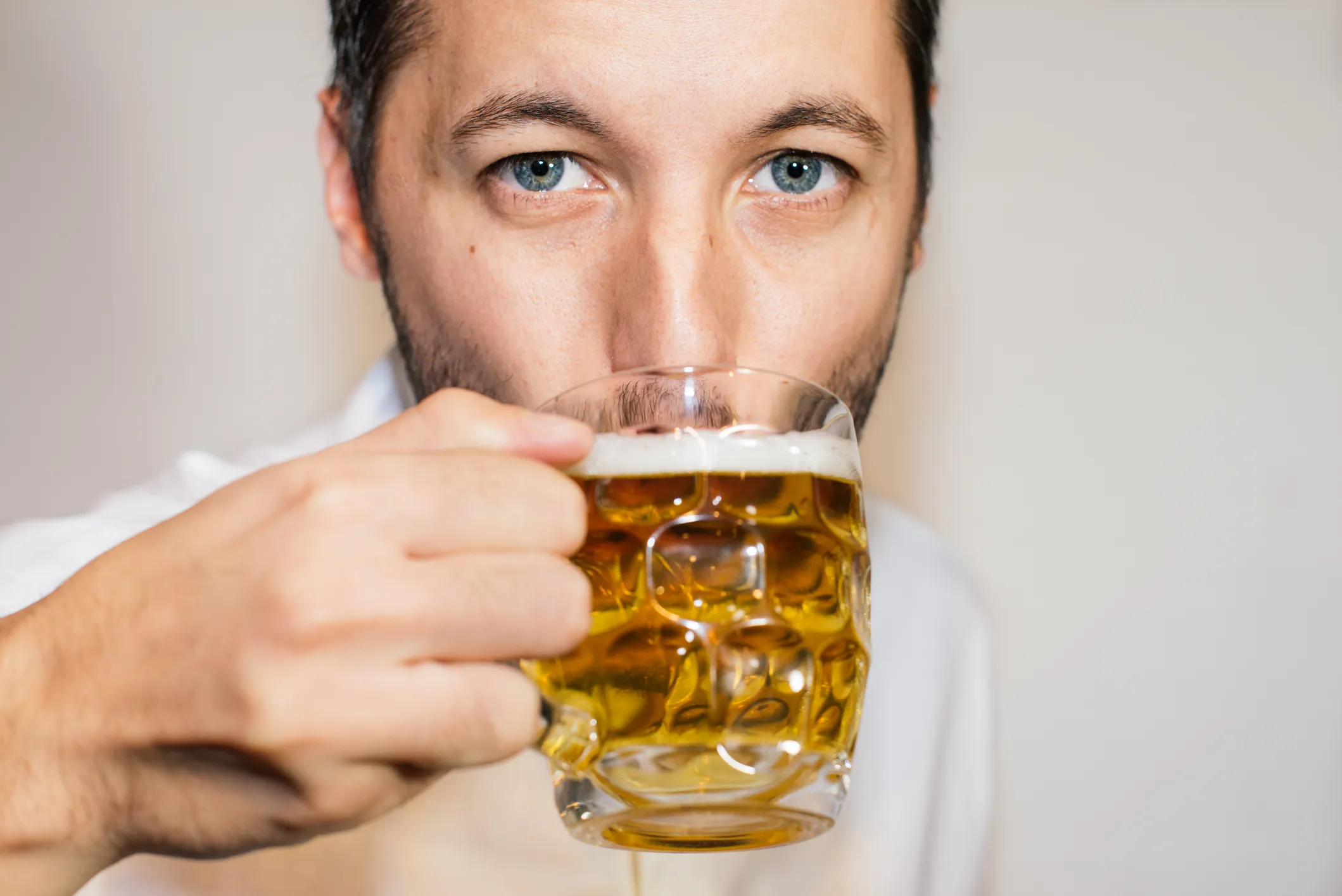
A few drinks won’t automatically undo your hard work in the gym, but heavy drinking can interfere with muscle protein synthesis, disrupt sleep and reduce fat burning while your body processes alcohol. A registered nutritionist explains how booze affects your results—and how to make smarter choices without sacrificing your fitness goals
Pics: Getty Images
The relationship between alcohol and athletic performance is often surrounded by extreme claims. Strict fitness dogma dictates that a single pint holds the power to unravel your hard work. For example, while casual drinking remains deeply embedded in UK culture – with casual drinkers only slightly outdoing regular gym-goers – it’s reported that around 20% of UK adults visit a pub weekly, while formal gym memberships are fast catching up, with 18% of the population holding an active membership.
To unpick how ethanol (the intoxicating chemical compound found in beer, wine, and spirits) affects muscle protein synthesis, fat oxidation and recovery, you need to look past the symptoms of a hangover and dive straight into the metabolic science
“Alcohol certainly isn’t helpful if building muscle is your goal, particularly when you drink a lot of it after training,” explains Rob Hobson, registered nutritionist and author of The Low Appetite Cookbook. “To build muscle, resistance training switches on a process called muscle protein synthesis, where the body uses amino acids from protein to repair and build new muscle tissue.”
Alcohol, Hobson adds, “appears to interfere with some of the signalling involved in switching this process on, including the mTOR pathway – the mechanistic target of rapamycin, a central cell-signaling network that coordinates cellular metabolism, growth, proliferation, and survival in response to environmental cues like nutrients, energy levels, and growth factors — which plays an important role in regulating muscle growth.”
Put simply, you can still hit the gym floor and nail your protein target, but heavy drinking after a session blunts the exact physiological response you are trying to create. Let’s take a closer look
A frequently cited study published in PLOS ONE found that muscle protein synthesis fell by roughly 24% when heavy amounts of alcohol were consumed alongside protein post-exercise. However, context is vital before you panic about a glass of wine with dinner
“The important caveat is that the amount of alcohol used was huge at around 1.5g per kg of body weight, equivalent to roughly 12 standard drinks in the study,” notes Hobson. “So we shouldn’t take that result and assume that having a glass of wine with dinner after the gym is going to reduce your muscle growth by 24%.”
Beyond muscle tissue, ethanol actively sabotages the restorative mechanics happening while you sleep. A systematic review published in Sleep Medicine Reviews revealed distinct disruptions to REM sleep – vital for brain development, memory consolidation, and emotional processing – even at low alcohol intakes, with sleep architecture becoming increasingly fragmented as the dose climbed. Likewise, a review in Sports Medicine highlighted that post-exercise drinking impairs underlying biological recovery processes, even if immediate physical metrics like peak strength or muscle soreness seem unaffected.
When your target is dropping body fat, alcohol presents a double threat: high energy density and immediate metabolic priority
“Alcohol provides around 7 calories per gram, so a few drinks can add quite a lot to your daily calorie intake, especially if you add sugary mixers or drink cocktails,” says Hobson. “Your body can’t really store alcohol, so when you drink it, metabolizing the alcohol becomes a priority. During that time, fat oxidation falls.”
However, he adds: “I wouldn’t interpret that as ‘alcohol turns straight into body fat’. Whether you lose body fat over time still comes down to your overall energy balance.”
Hobson also dismisses the myth of a magical, fitness-friendly drink. Clear spirits like tequila or vodka offer no free passes over beer or wine
“Ethanol itself provides around 7 calories per gram, so your muscles don’t particularly care whether that came from beer, wine or vodka,” he clarifies. “What matters more is how much you’re drinking, how often and what you’re mixing it with.”
If you want to enjoy a drink without undoing your training block, strategic timing and boundary-setting are key
“I wouldn’t make a habit of having a big drinking session immediately after a hard training session, when recovery is your priority,” Hobson advises. “Get your basics right first by eating enough protein and carbohydrate, rehydrate properly and prioritise sleep.”
The Current UK Chief Medical Officers’ guidelines recommend not regularly exceeding 14 units per week (that’s the equivalent of six pints of average-strength beer or cider, six medium glasses of wine or 14 single measures of spirits at 40% ABV), spread across three or more days rather than saved up for a massive weekend session. The occasional couple of drinks won’t ruin your physique, but regular heavy nights are certain to make reaching your fitness goals exponentially harder — something to bear in mind when you’ve got a hankerin!
