


Your food choices are some of the most impactful decisions you can make for your overall health, especially if you opt for anti-inflammatory foods. But how can you identify those nutritious options? There’s a simple cheat code
Chronic inflammation, when the condition lasts for months to years, has been increasingly shown in research to be a major factor many chronic diseases, Dr. Roshini Raj, gastroenterologist and clinical associate professor at NYU Grossman School of Medicine, tells TODAY.com. “So, the more we can reduce that, the healthier we’ll be, and the longer we’ll live,” she adds
Having a balanced gut microbiome is one of the best ways to reduce inflammation, Raj says, so your food choices can play a major role
But how can you know which foods are most likely to offer those anti-inflammatory benefits? Here are some simple tips to find them
When you’re looking for anti-inflammatory foods, keep an eye out for whole foods, particularly those that are dark in color, says Natalie Rizzo, registered dietitian and TODAY nutrition editor
“When choosing anti-inflammatory foods, focus on whole, minimally processed options, especially fruits and vegetables with deep, rich colors,” she adds
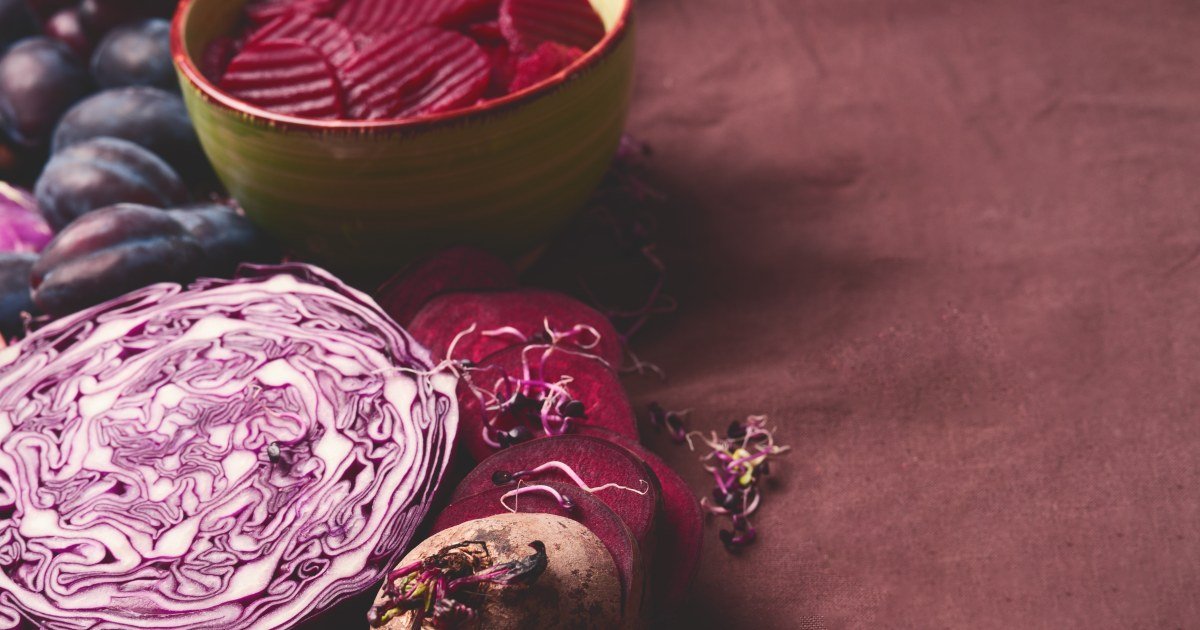
That includes foods like blackberries, purple cabbage and beets, for instance. These foods tend to contain pigments and other health-boosting plant compounds that can reduce inflammation, in addition to being high in fiber
Raj also recommends colorful fruits and veggies because of their high antioxidant profile
A major part of managing chronic inflammation is making healthy eating choices that center unprocessed whole foods high in fiber, like fruits, veggies, whole grains and legumes. And certain types of whole foods, especially darkly pigmented foods, offer unique benefits
“Dark pigments, like the anthocyanins in blueberries, or the lycopene in tomatoes, are often a sign of beneficial plant compounds called phytonutrients,” Rizzo says. “These compounds have potent antioxidant and anti-inflammatory properties.”
She recommends pairing these foods “with other anti-inflammatory staples,” such as leafy greens, nuts, seeds, beans, whole grains and healthy fats. Doing so will “help support overall health and reduce chronic inflammation over time,” Rizzo says
In fact, a few of Raj’s favorite foods to promote a healthy gut microbiome and reduce inflammation are light in color: yogurt with active cultures, kefir and sauerkraut, because they are high in probiotics
There are so many healthy, delicious anti-inflammatory whole foods to choose from and all of them are great to add to your diet
But if you’re not sure where to start, give berries a try
Registered dietitian Keri Glassman previously rated blackberries as the top anti-inflammatory food, and blueberries topped TODAY.com’s list of healthiest fruit. Meanwhile, raspberries are exceedingly rich in gut- and heart-healthy fiber. And all of them are packed with antioxidant plant compounds
Have your morning yogurt or oatmeal with some fresh berries, snack on them throughout the day or add them to salads for a bright, flavorful pop
To reduce inflammation throughout the body, Raj also recommends minimizing consumption of alcohol and ultraprocessed foods, as well as eating more foods high in omega-3 fatty acids
TODAY’s Expert Tip of the Dayseries is all about simple strategies to make life a little easier. Every Monday through Friday, different qualified experts share their best advice on diet, fitness, heart health, mental wellness and more
