



How much sleep do teenagers really need?
Sleep is about much more than avoiding grogginess. For teenagers, it plays a critical role in learning, memory, emotional health, and safety
As a general rule, teens need about nine hours of sleep each night. “There is some person-to-person variability,” says Heidi Connolly, MD, chief of Pediatric Sleep Medicine at University of Rochester Medicine Golisano Children’s
“One of the best ways to tell if your teen is getting enough sleep is what happens when they don’t have to wake up early. If they go to bed at their usual time and wake up on their own around the same time each morning, they’re probably getting the sleep they need.”
Why Are Teens Always Tired?
The Shifted Body Clock: Why Teens Can’t Fall Asleep Early
Parents often assume teens stay up late by choice, but biology plays a major role
During puberty, the circadian rhythm naturally becomes longer. Teens don’t feel sleepy until later in the evening, even when they still need to wake up early for school. This mismatch makes it difficult to get enough rest—it’s not simply a matter of discipline or routine
Screens, Social Media, and the Brain That Won’t Wind Down
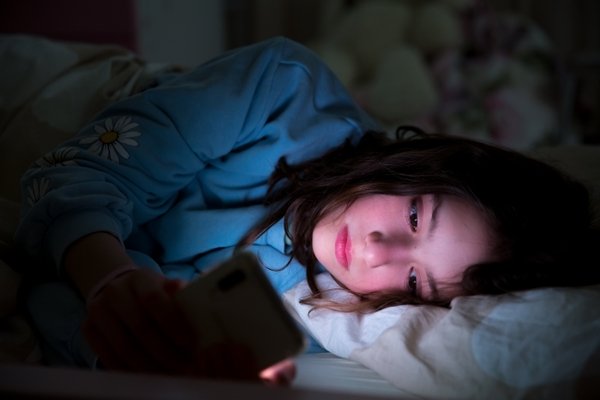
Research consistently shows that more screen time is linked to less sleep. Blue light from devices can disrupt natural sleep signals, and the content being viewed plays a major role, too
Unlike television, which has a clear ending, social media and video platforms are designed for endless engagement
“The problem isn’t just the screen,” says Dr. Connolly. “It’s that there’s always one more thing to watch, read, or scroll through.”
Highly stimulating content, like TikTok videos or scary movies, can keep the brain alert and delay sleep
How Lost Sleep Affects Your Teen’s Health
Sleep has a direct impact onlearning.“Sleep plays a vital role in memory consolidation, which moves information from short-term to long-term storage,” says Dr. Connolly. “Much of that happens during REM sleep. When teens cut sleep short, they get less REM sleep, which makes it harder to retain and recall information.”
Studies consistently show that sleep-deprived teens perform worse on memory and recall tasks. “If you want to do well on a test, getting enough sleep is often more valuable than squeezing in another hour of studying,” Connolly adds
Sleep also plays a major role in safety. Teens who are sleep-deprived are more likely to be involved in unintended injuries, including sports injuries, pedestrian accidents, and motor vehicle crashes
“Lack of sleep slows reaction time and affects judgment,” explains Dr. Connolly. “That’s especially concerning for teens who are learning to drive.”
Signs of Sleep Deprivation in Your Teenager
While younger children often become hyperactive when they’re tired, teenagers tend to show symptoms that look more like adult sleep deprivation
Common signs include:
- Falling asleep in class or during quiet activities
- Difficulty concentrating
- Trouble retaining information
- Declining grades
- Increased irritability or moodiness
- More conflict with family members or friends
- Excessive daytime sleepiness
- Sleeping significantly later during the weekend compared to weekdays
Common Teen Sleep Problems
Most tired teens simply aren’t getting enough sleep, but sometimes an underlying sleep disorder is involved
Parents should consult a pediatric sleep specialist if they notice:
- Loud or persistent snoring
- Frequent movement during sleep
- Repeated nighttime awakenings
- Difficulty falling or staying asleep
- Ongoing daytime sleepiness despite adequate time in bed
Many sleep disorders, including sleep apnea, are treatable once identified
Keep Reading:Is Melatonin Safe for Kids?
URochester Medicine experts weigh in on this popular sleep supplement
Learn more

Habits That Help Teens Get Better Sleep
Consistency is key. Dr. Connolly recommends keeping the bedroom “cool, quiet, and dark” and maintaining a regular sleep schedule
Going to bed and waking up at the same time each day helps regulate the body’s internal clock, making sleep more predictable. Large shifts in weekend or vacation sleep schedules can make it harder to return to school routines. “It takes about 14 days to ‘catch up’ from a sleep deficit, so keep that in mind when it’s time to return to school from summer break,” said Dr. Connolly
Teen sleep challenges are common, but they’re also often manageable with small, consistent changes at home. Prioritizing regular sleep routines and a healthy sleep environment can make a real difference in a teen’s mood, learning, and safety. If sleep concerns continue, a pediatrician or sleep specialist can help families better understand what’s going on and find the right support
