


August 17, 2026
Work stress may help explain exhaustion even after a full night’s sleep
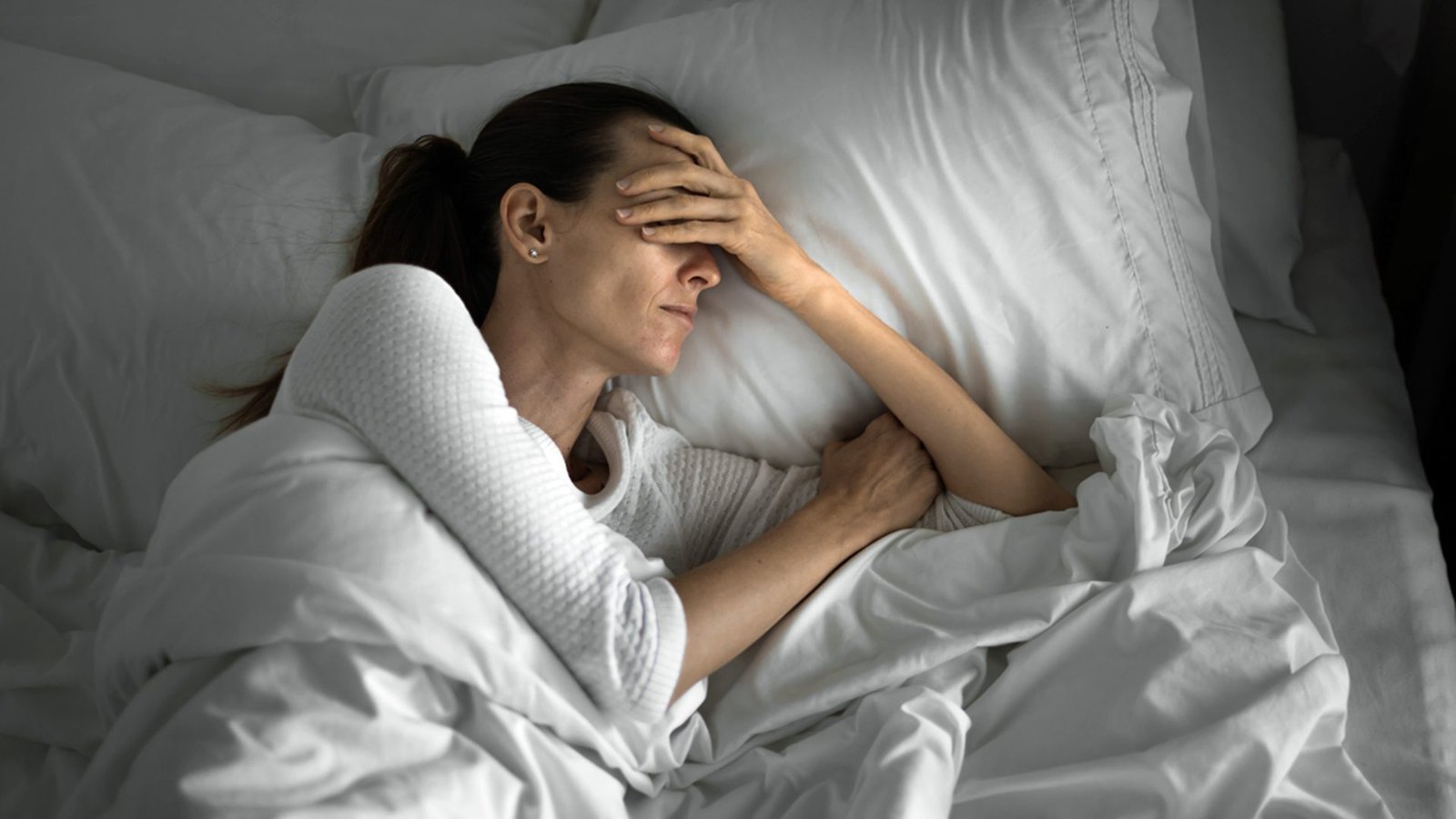
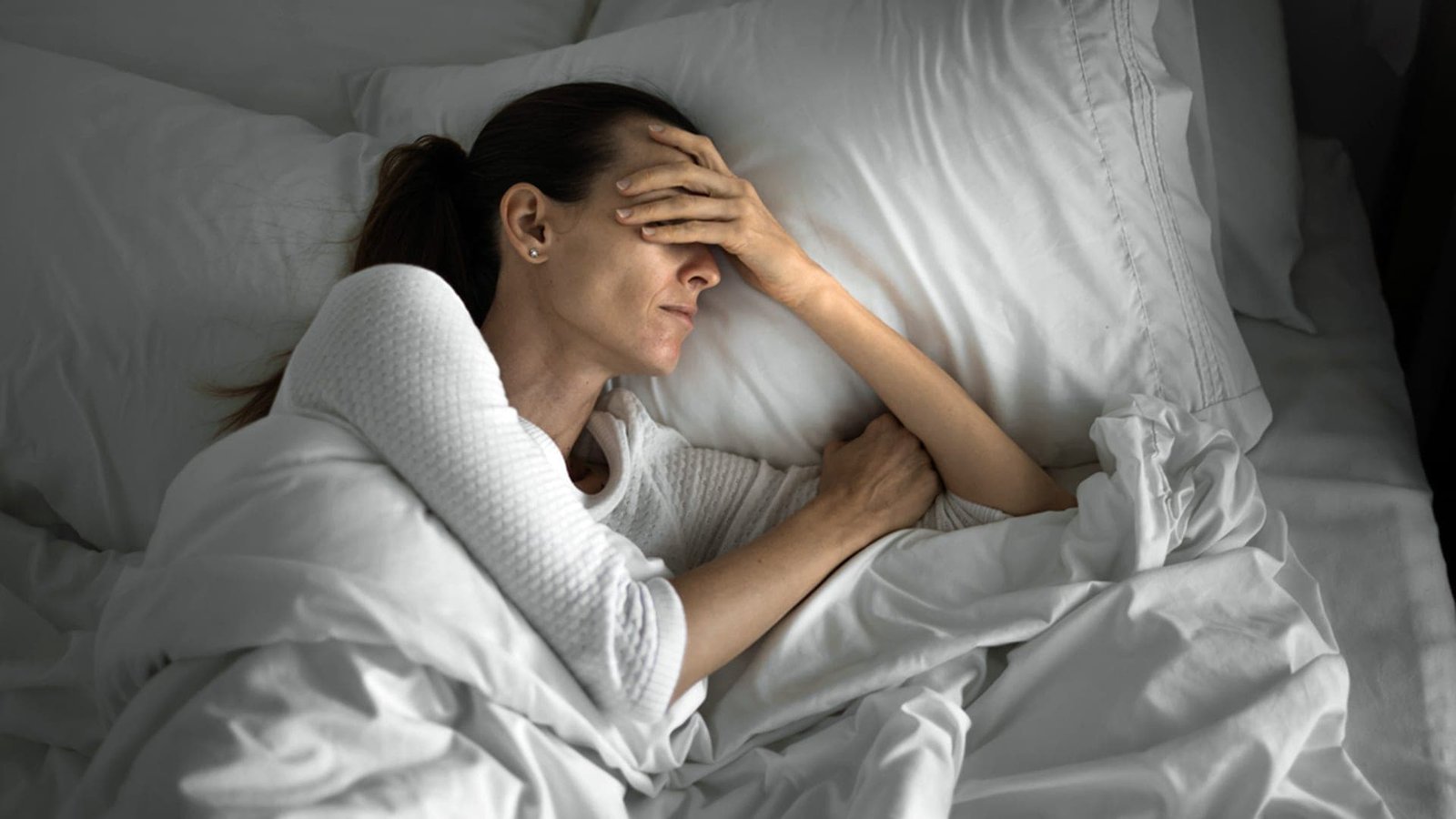
Workers can spend enough hours asleep and still wake up exhausted. A year-long study found that poor sleep often came from broken nights rather than too few hours, with work stress linked to more sleep disruptions
The finding comes from the Supporting Healthy Ageing at Work project at the University of Edinburgh. Its researchers followed 45 workers aged 50 to 66 for a year, and each completed weekly and monthly check-ins about work, mood, and sleep. Three times during the year, they also wore a motion-sensing wristband for about 40 days
Athanasios Tsanas, a professor of digital health and data science at the university’s Usher Institute, led the data analysis. He has spent years studying this kind of data from patients with diagnosed sleep disorders
None of these workers joined the study because of sleep complaints, and he said he was “genuinely surprised by the sheer scale of sleep problems” in the recordings
In an interview with Earth.com, Tsanas said, “One important finding is that people attributed poor sleep due to not sleeping for a sufficient number of hours, whereas the objective data from the smartwatches suggest the average nightly sleep duration for most participants was 6.5-8 hours (i.e. in general sufficient) whereas the actual problems were typically due to sleep fragmentation and sleep disruptions.”
The wristbands logged movement, wrist temperature, and light. From those signals, the team worked out, minute by minute, when each person was asleep or awake
The devices were switched on at the lab, so the first two or three days of every recording came from inside a Royal Mail parcel
Altogether, the wristbands captured 5,258 days of data, more than 14 years’ worth, and the workers completed about 1,900 check-ins
On a standard sleep questionnaire, the vast majority had scores indicating poor sleep. In earlier research, one in three healthy older women and about one in six healthy older men scored as poor sleepers
Every single worker woke during the night, and for some, broken nights were the norm
The more tense people felt at work, the lower their overall relaxation scores. People who felt gloomy or irritable because of work reported far lower wellbeing, and hardly anyone had high wellbeing scores
Across the year, people with a healthier work-life balance slept better and reported higher wellbeing
Eight of the workers regularly worked at least two hours between 10 p.m. and 5 a.m. Two were on shifts. The other six had daytime jobs but worked late anyway, which the team judged was probably due to pressure rather than choice
These workers often fell asleep after midnight. On average, they also moved more in their sleep, and their wrists stayed warmer overnight than everyone else’s
There is no proof the job caused the bad nights. The team watched and measured but changed nothing. Still, people who reported more work stress also had more disturbed nights, which the researchers called a plausible path from one to the other
“One thing we as individuals can all do is be kind and courteous to each other – the evidence in our study strongly suggests that tensions at work have a detrimental effect on sleep and overall wellbeing,” Tsanas told Earth.com
The authors called one result intriguing. For wellbeing, average sleep quality over the past week mattered less than how much sleep quality varied from night to night. The more it varied, the lower the score
Asked by Earth.com what a worker over 50 who sleeps badly should do first, Tsanas started with a caution. He is not a medical doctor, he said, and anyone worried about their sleep or health should see a specialist
The focus, he said, should be on “maintaining restorative sleep with minimal disruptions rather than just ‘aiming for 8h sleep duration’.”
His advice: keep a consistent sleep schedule, find your own way to wind down from work stress before bed, and get some physical activity, such as walking
Tsanas said employers and policymakers should set “work-life boundary policies” and build supportive workplaces with little conflict or irritation. Ideally, he said, they would also run health checks so problems could be caught early
For workers in this age group, sleep can be disturbed by more than the job, said Belinda Steffan, a co-author at the University of Edinburgh Business School. She named menopause, normal aging, money worries, and the strain of caring for others
But much of the work-related stress, she said, has nothing to do with age. “Our study highlights that sleep is a workplace health and wellbeing issue,” she added
In the UK, one in three workers is over 50, and the number of people over 65 is projected to reach 17.7 million by 2050
The group was small, with more than half working in finance and everyone living in the UK. No doctor examined the participants, and the team enrolled them without screening for health conditions. So one open question is how much of the poor sleep came from undiagnosed illness
The bigger question is whether the wider workforce sleeps this badly. The team said answering that would take a much larger group
This project has not yet tested whether workplace changes could improve workers’ sleep. Asked whether the project is now testing any of these changes, Tsanas said it is not. The team is collecting no new data, and a second year-long study would need fresh funding
He said he expects smartwatches and phones to become part of how people watch their health
The full study was published in the journal Scientific Reports
—–
Like what you read? Subscribe to our newsletter for engaging articles, exclusive content, and the latest updates
Check us out on EarthSnap, a free app brought to you by Eric Ralls and Earth.com
—–
