
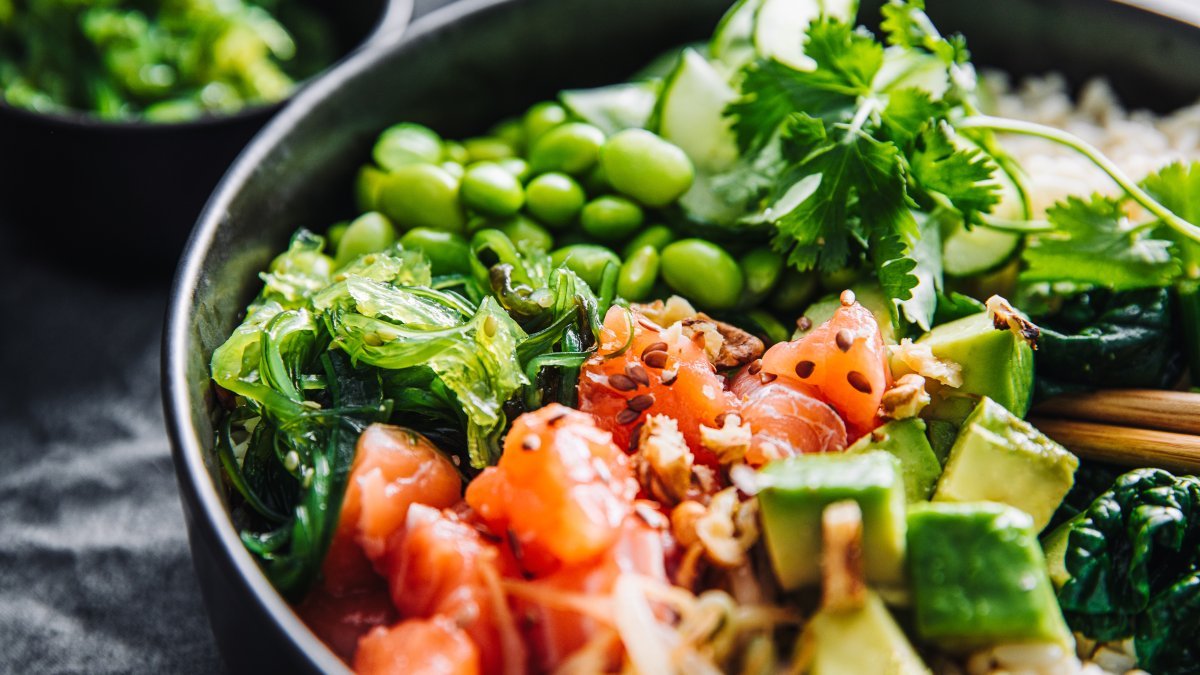

You may have heard about hormone-balancing diets and certain dishes promising to tweak your hormone levels. But is there such a thing as a hormone-balancing food?
Hormones are chemical messengers released into our bloodstream that play a role in a variety of body functions such as metabolism, growth and reproduction. Many aspects of living a healthy lifestyle can help keep your hormones balanced
A hormone imbalance occurs when you have have too little or too much of a certain hormone or hormones in your system, per the Cleveland Clinic. While your hormone levels fluctuate throughout the day and over your lifetime, such as during puberty, pregnancy and menopause, factors like stress and certain medications can lead to hormone imbalances
Chronic conditions affecting your hormones are usually related to tumors or other growths, autoimmune issues or damage to an endocrine gland, which releases hormones into the blood
According to Cleveland Clinic, signs of a hormone imbalance vary because the body makes more than 50 types of hormones. For example, if you’re experiencing a hormone imbalance pertaining your metabolism, signs might include:
- Slow or rapid heart rate
- Weight gain or loss
- Diarrhea
- Depression or anxiety
- Acne
- Hair loss
- Heavy or irregular periods
- More body hair
- Hot flashes
- Loss of body hair
- Erectile dysfunction
- Loss of muscle mass
- Loss of interest in sex
Health4 hours ago
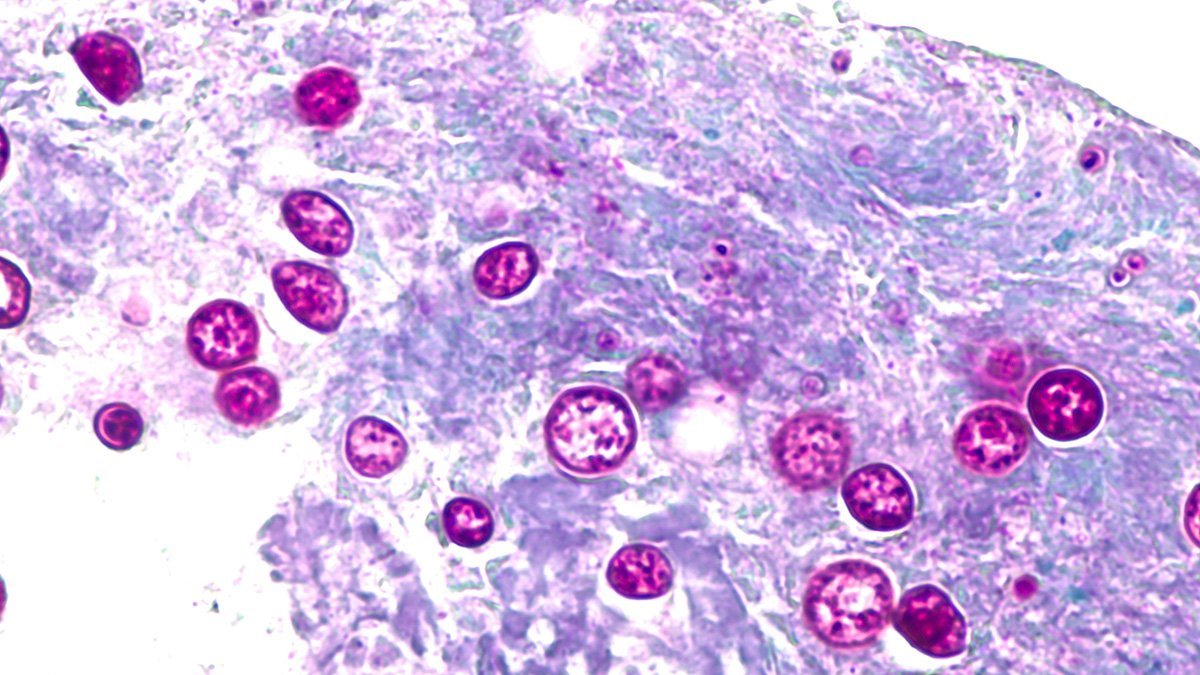
Cases of diarrhea parasite nearly triple in Miami-Dade in a week; Monroe sees 1st case

HealthJul 15
Glioblastoma Awareness Day shines light on one of the deadliest forms of brain cancer
Most of the time, hormone imbalances aren’t preventable, but there are things you can do to optimize your overall health, which can help keep hormones in check. And for most people, taking steps to balance your hormones isn’t necessary, TODAY.com previously reported
That said, certain lifestyle habits can naturally help support hormone function, Dr. Taz Bhatia, an integrative medicine physician and author of “Super Woman Rx,” tells TODAY.com. These include:
- Managing stress
- Getting enough sleep
- Exercising regularly
- Maintaining a healthy, balanced diet
Bhatia shares other ways to support your hormone health in her new book, “The Hormone Shift.”
“Food is the basis of how we nourish our body and get nutrients … and the foods we choose can also be important when it comes to hormones,” says Bhatia
Eating a healthy diet packed with a variety of plants, healthy fats, protein, fiber and vitamins helps provide the body with energy it needs and the nutrients to metabolize hormones effectively, she adds
Certain foods are optimal for supporting hormone health. The goal is to include these hormone-friendly foods in your daily diet when possible or pick them over less nutritious choices if you have the opportunity, Bhatia explains in her book. These foods are not only good for hormone health, but also provide a range of other benefits which makes them a no-brainer addition to any diet
Chia seeds are rich in vitamins, antioxidants and healthy fats that the body needs, and their high fiber content makes them a superior choice
Dietary fiber is important for hormone balance, says Bhatia, because it helps with the management of blood sugar and insulin resistance. Fiber also supports gut motility and keeps us feeling full and satiated
“We need a lot of good fiber in our diet because if we’re not breaking down our foods appropriately, we’re not able to absorb the nutrients and metabolize hormones as effectively,” explains Bhatia
Chia seeds contain about 10 grams of fiber per 1-ounce serving, and the goal is to get 25 to 30 grams of total fiber each day. Ground chia seeds can be added to smoothies, yogurt, oatmeal and other dishes to boost the fiber content
Fat is needed to make cholesterol, which is a foundational building block for hormone production, says Bhatia. Healthy fats nourish the body and brain, says Bhatia, and help stabilize insulin and blood sugar levels
Increasing your intake of healthy fats can help with hormone balance and good cholesterol, Bhatia notes
“Adding in things like a tablespoon of olive oil or coconut oil (can). slowly build up the right (healthy) fat balance,” says Bhatia, adding that this can help the body build hormones appropriately
Omega-3 fats contain the cholesterol the body needs for hormone production as well as anti-inflammatory properties, says Bhatia
Salmon is rich in omega-3 fatty acids, including eicosapentaenoic acid (EPA) and docosahexaenoic acid (DHA). Salmon can also help metabolize estrogen, preventing it from being stored in the body, Bhatia notes
Salmon is one of Bhatia’s top superfoods for hormone health
In addition to helping the body maintain a healthy hormone balance, salmon is a great
Cruciferous vegetables like broccoli, cauliflower, Brussels sprouts, and cabbage can also play a role in metabolizing hormones, including estrogen, says Bhatia
The versatile family of vegetables are packed with phytonutrients, vitamins and antioxidants, which can help support healthy estrogen levels and overall hormone health, Bhatia adds. Cruciferous vegetables are also high in fiber and filling, making them a nutritious main dish or addition to a meal
Cruciferous vegetables specifically produce a nutrient called sulforaphane, which is thought to provide a host of remarkable benefits, from protecting your DNA to defending against free radicals, TODAY.com previously reported
Dark or deeply colored vegetables like kale, dandelion root, collard greens and spinach are rich in vitamins and minerals that can help support overall health, as well as the liver and thyroid, Bhatia notes
“They’re high glutathione or high-antioxidant foods,” says Bhatia, adding that glutathione can promote brain and heart health and reduce inflammation. Leafy greens often contain high amounts of vitamins A, C and E, and CoQ10, Bhatia notes, which are important for healthy hormone balance
If you aren’t a fan of leafy greens, try blending them into smoothies with other fruits, Bhatia recommends — but the key is that you blend your veggies rather than juicing them, which keeps all the fiber
“I love green smoothies, because they provide both the fiber and a lot of antioxidants, and you can even get in some of the cruciferous vegetables in by blending all of them together,” says Bhatia
Sweet potatoes are a delicious root vegetable that is rich in fiber, potassium and, most notably, vitamin A, Bhatia notes
The Thanksgiving favorite actually contains beta carotene, which the body coverts into vitamin A after eating, TODAY.com previously reported. In addition to helping maintain overall health and support hormone balance, sweet potatoes can help boost eye health.
One medium sweet potato provides all the vitamin A you need in a day. It’s a great side dish and addition to meals, especially during the fall
Brazil nuts are nutrient-dense and naturally high in selenium, a mineral needed to maintain thyroid function, says Bhatia. Selenium is directly involved in the production of thyroid hormones, Bhatia adds, which help control metabolism
In addition to selenium, Brazil nuts are packed with magnesium and healthy fats
You only need about two per day to get what your body needs, says Bhatia. Just one Brazil nut contains about 95 micrograms of selenium, and the recommended daily intake for most adults is 55 micrograms of selenium
In addition to adding these healthy foods to your diet, Bhatia recommends avoiding or minimizing added sugars, alcohol, caffeine and processed foods
How you’re eating matters, too, says Bhatia: “Eating at a consistent schedule … can help keep our blood sugar stable, and blood sugar stability helps to manage hormones more effectively.”
Also note that while a nutritious diet does support hormone health, it has limitations, says Bhatia. “Eating the right foods, consistently, can make a difference. … Is it a guarantee that you’re not going to need some hormone support down the road? No,” she notes
Treatment for a hormonal imbalance depends on the underlying cause, but it often involves medication, per the Cleveland Clinic
Trying to add more nutritious foods to your diet won’t do harm. But if you have concerns about your hormone levels or symptoms of a hormonal imbalance, consult your health care provider or an endocrinologist
This story first appeared on TODAY.com. More from TODAY:
- Mel Schilling, star of ‘Married at First Sight,’ dies at 54 after revealing terminal colon cancer
- I have a Master’s in Exercise Science. These are the only 6 strength moves you need to build muscle
- ‘Reacher’ star Alan Ritchson acted in self-defense in neighbor altercation, police say
Copyright Today Digital Originals
