


April 22, 2026
- Reviewed byHoward E. LeWine, MD,
Chief Medical Editor, Harvard Health Publishing; Editorial Advisory Board Member, Harvard Health Publishing
Share
Print This Page
In the 1960s, a group of researchers observed that people living in Greece and Southern Italy—both Mediterranean countries—tended to live longer and have lower rates of heart disease and some cancers than other populations they studied around the world. They theorized that the foods eaten in this region might play a role in health and longevity. In the decades since, a large body of research has confirmed the strong health benefits of a traditional Mediterranean-style diet.
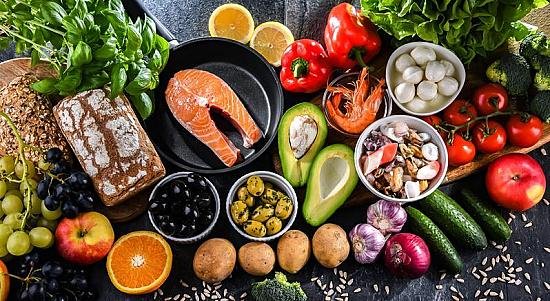
The Mediterranean region encompasses a wide array of cultural and culinary traditions, but, in general, this dietary pattern emphasizes fruits, vegetables, nuts, olive and other non-tropical plant oils, legumes, and fish. It also incorporates small amounts of fermented dairy products (like yogurt and kefir), poultry, and meat. Sugar-sweetened beverages, cookies and cakes, and highly processed foods are limited.
Enjoying food in a convis have speculated that the way food is traditionally eaten in the Mediterranean might spur the body to release mood-boosting chemicals that further benefit health and longevity
Here’s some steps to get started:
- Eat lots of vegetables
- Eat meat in smaller amounts
- Enjoy some fermented dairy foods
- Eat seafood twice a week
- Try eating vegetarian once a week
- Include good fats in your meals
- Switch to whole grains
- Eat fresh fruit for dessert
Want more advice from the experts on healthy aging? Check out Harvard Medical School’s Special Health Report, Pathways to Longevity: Science and strategies in pursuit of a longer, healthier life
Image: © monticelllo/GettyImages
Share
Print This Page
